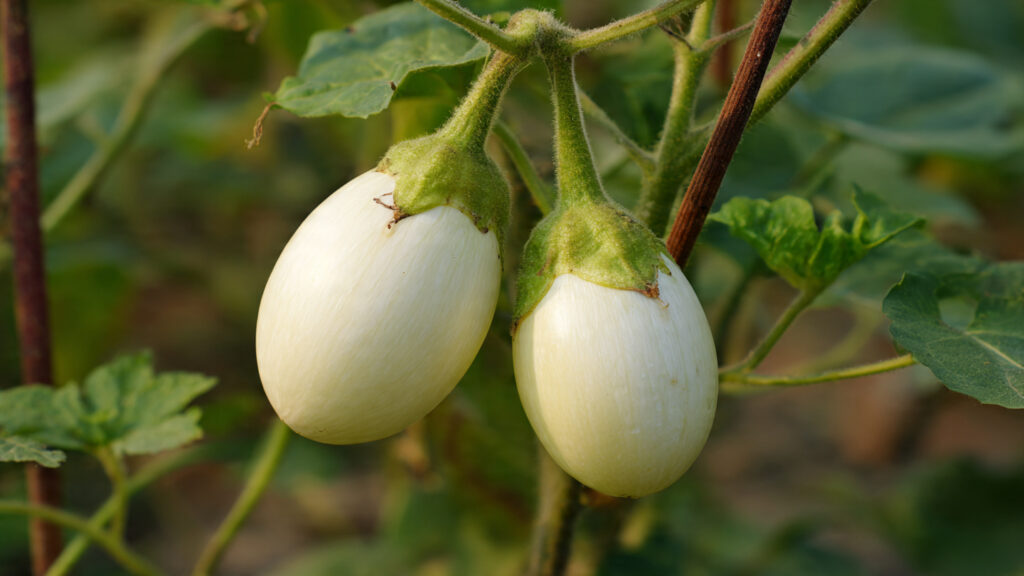
White eggplant, with its smooth, glossy skin and mild, creamy flavor, is a unique addition to any vegetable garden. Unlike the more common purple varieties, white eggplants not only stand out visually but also offer a delicate taste that’s perfect for roasting, grilling, or adding to curries. For beginner gardeners, growing white eggplant might seem intimidating, but with the right techniques, it’s possible to achieve high yields and healthy plants. This guide walks you step by step through the process of cultivating white eggplant successfully.
Understanding White Eggplant
White eggplants belong to the species Solanum melongena, just like traditional purple eggplants. Their distinctive white skin is a result of selective breeding, and while the taste is slightly milder, they require similar care to other eggplant varieties.
White eggplants thrive in warm climates and require plenty of sunlight, regular watering, and nutrient-rich soil. They are ideal for home gardens, containers, or small-scale farming, provided their specific needs are met.
Choosing the Right Variety
Before planting, it’s important to select the right white eggplant variety. Popular options include:
- Casper – a small, oval-shaped white eggplant that matures quickly.
- White Beauty – a larger variety known for high yields and disease resistance.
- Snowball – compact and ideal for container growing, with a mild flavor.
Choosing a variety suited to your climate and growing conditions is essential for high yield production.
Starting Seeds Indoors
White eggplants are sensitive to cold, so starting seeds indoors is recommended, especially in regions with short growing seasons. Here’s how:
- Timing – Start seeds 8–10 weeks before the last expected frost.
- Seedling Tray – Use a well-draining seed mix. Plant seeds ¼ inch deep.
- Temperature – Keep soil temperature between 24°C–30°C (75°F–86°F) for optimal germination.
- Light – Provide 12–16 hours of bright light daily, either from a sunny window or grow lights.
Seedlings should be ready for transplanting when they are 4–6 inches tall with 2–3 sets of true leaves.
Preparing the Garden Bed
White eggplants need fertile, well-draining soil with a pH between 5.8 and 6.5. To prepare the garden bed:
- Add compost or well-rotted manure to enrich the soil.
- Mix in balanced fertilizer to supply nitrogen, phosphorus, and potassium.
- Ensure the bed receives full sunlight for at least 6–8 hours a day.
- Space plants 18–24 inches apart to allow airflow and prevent diseases.
Raised beds or containers can also be used, provided they are at least 12 inches deep to accommodate the eggplant’s root system.
Transplanting Seedlings
When seedlings are ready, harden them off by gradually exposing them to outdoor conditions for 7–10 days. Then, transplant them into the prepared bed or containers. Planting tips include:
- Dig a hole slightly larger than the root ball.
- Place the seedling and gently backfill with soil.
- Water immediately after transplanting to reduce transplant shock.
Mulching around the base of the plants helps retain moisture, suppress weeds, and maintain soil temperature.
Watering and Fertilization
White eggplants require consistent watering, about 1–1.5 inches per week, to produce high yields. Drip irrigation or soaker hoses are ideal, as they deliver water directly to the roots and reduce leaf wetting, minimizing fungal diseases.
Fertilization is critical for flowering and fruit development. A balanced fertilizer or compost tea every 2–3 weeks supports healthy growth. Avoid excessive nitrogen, which encourages leafy growth at the expense of fruit production.
Supporting the Plants
White eggplants can grow tall and heavy with fruit. Using stakes, cages, or trellises prevents branches from breaking under the weight of the fruit and improves air circulation. Tying plants loosely with soft ties ensures branches are supported without damage.
Pruning for High Yield
Pruning encourages the plant to focus energy on fruit production. Tips include:
➡️ How to Grow Malabar Spinach from Cuttings for Fast, Easy Greens
➡️ How to Grow Super Delicious Cabbage at Home Without a Garden
➡️ How to Grow Bean Sprouts at Home in Plastic Bottles Easily (Step‑by‑Step Guide)
➡️ Why is Your Lemon Tree Blooming in the Heart of Winter?
➡️ Why Should Your Garden Have a Dedicated Pollinator Highway?
➡️ Why Do Your Fruit Trees Need a Winter Wash to Thrive in Spring?
➡️ How Can Rice Water Transform Your Fruits into Sweeter Delights?
➡️ Jumpstart Your Winter Garden: Seed Starting Under Lights
- Remove suckers growing between the main stem and branches.
- Cut off lower leaves that touch the soil to reduce the risk of disease.
- Trim excessive foliage that shades flowers and developing fruit.
Regular pruning results in larger, healthier eggplants and can increase the overall yield.
Pollination Tips
Eggplants rely on pollinators like bees to set fruit. In areas with limited pollinator activity, hand pollination can improve yields. Gently shake flowers or use a small brush to transfer pollen between flowers, ensuring good fruit set.
Harvesting White Eggplant
White eggplants should be harvested when the skin is glossy and firm. Overripe fruits become bitter and spongy. Key harvesting tips:
- Cut fruit from the plant using a sharp knife or scissors, leaving a small stem attached.
- Harvest regularly to encourage continuous fruiting.
- Handle fruits carefully to prevent bruising.
For varieties like White Beauty, harvesting every 3–4 days during peak production ensures optimal size and flavor.
Common Pests and Diseases
Even with proper care, white eggplants can face challenges. Common issues include:
- Aphids and whiteflies – control with neem oil or insecticidal soap.
- Fungal diseases like Verticillium wilt or powdery mildew – prevent with crop rotation, proper spacing, and good airflow.
- Fruit borers – remove affected fruits and use natural deterrents or traps.
Consistent monitoring and early intervention are key to keeping plants healthy.
Tips for Maximizing Yield
For beginner gardeners aiming for high yields, follow these practices:
- Optimal spacing – prevents competition for nutrients and sunlight.
- Consistent watering and fertilization – supports healthy growth and abundant flowering.
- Proper pruning and staking – improves air circulation and prevents branch breakage.
- Pollination support – ensures higher fruit set.
- Regular harvesting – encourages continuous fruit production.
By following these techniques, even novice gardeners can enjoy a bountiful harvest of white eggplants.
Container Growing
White eggplants also grow well in containers, making them suitable for small gardens, patios, or balconies. Use containers at least 12–16 inches deep, with good drainage holes. Container-grown plants require more frequent watering and fertilization, as nutrients can leach out quickly.
Container cultivation allows flexibility and protection against pests and adverse weather, ensuring a reliable, high-yield harvest.
Conclusion
Growing white eggplants for high yields is entirely achievable, even for beginners, with the right care and attention. From selecting the right variety to providing proper sunlight, soil nutrition, watering, pruning, and pest management, every step plays a crucial role in producing healthy, abundant fruit.
White eggplants not only add aesthetic appeal to your garden but also offer unique flavors that elevate your culinary creations. With patience, consistency, and the techniques outlined in this guide, gardeners can enjoy a successful harvest of beautiful, creamy white eggplants throughout the growing season.
Whether you are a home gardener looking to try something new or an aspiring small-scale grower, following these steps ensures that your white eggplant plants thrive and reward you with a high yield of delicious fruits.