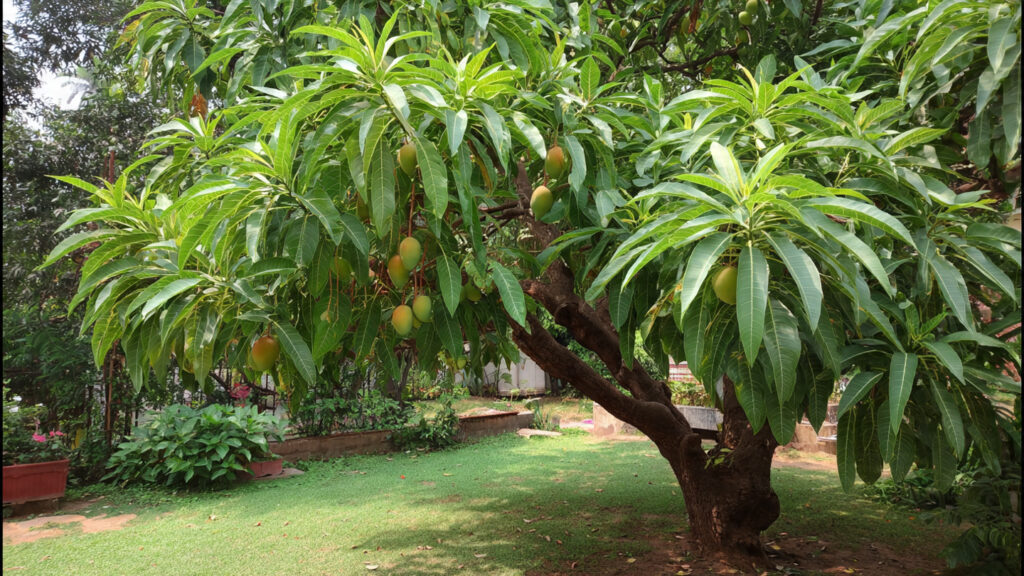
Mango trees (Mangifera indica) are prized for their lush foliage, fragrant flowers, and delicious fruits. While they are a staple in tropical and subtropical gardens, mango trees can quickly grow large, spreading wide and tall, making maintenance and harvesting a challenge. However, with the right pruning techniques, you can control your mango tree’s size, keeping it manageable while ensuring it remains healthy and productive. This guide will provide step-by-step methods to maintain a compact mango tree without sacrificing fruit quality or overall tree health.
Understanding Mango Tree Growth
Mango trees are fast-growing and can reach heights of 30–100 feet in ideal conditions. They naturally develop a wide, dense canopy, which is excellent for photosynthesis but can create problems in small gardens. Uncontrolled growth can lead to:
- Difficult harvesting and maintenance
- Reduced sunlight penetration to lower branches
- Higher risk of pest infestations and fungal diseases
- Overcrowding and poor air circulation
Understanding the tree’s natural growth habit is essential for effective pruning. Mango trees typically grow from a central leader with lateral branches forming a dense canopy. By managing this growth pattern, you can maintain a smaller, more productive tree.
Step 1: Choosing the Right Variety
Size management begins even before planting. Selecting a dwarf or semi-dwarf mango variety makes pruning much easier and more effective. Some varieties naturally stay smaller, making them ideal for backyard gardens or container planting. Popular compact varieties include:
- Alphonso: Semi-dwarf with a manageable canopy, known for sweet, aromatic fruits.
- Carrie: Naturally compact, perfect for home gardens and container growth.
- Nam Doc Mai: A slender, upright growth habit, suitable for small spaces.
Choosing the right variety reduces the amount of pruning required over the tree’s lifetime and ensures you can maintain a healthy, manageable mango tree.
Step 2: Planting for Size Control
Even before pruning, planting techniques influence mango tree size:
- Spacing: Plant mango trees at least 10–12 feet apart for dwarf varieties and 15–20 feet for larger varieties. Crowded trees encourage upward growth and overcrowding.
- Sunlight: Mango trees need full sun for optimal fruiting. Adequate sunlight prevents weak, leggy growth.
- Soil: Well-draining soil reduces excessive vegetative growth caused by waterlogged roots. Sandy loam with moderate fertility is ideal.
Proper planting sets the stage for a manageable tree with balanced growth.
Step 3: Understanding the Pruning Principles
Pruning is more than just cutting branches; it is a method to shape the tree, remove unproductive growth, and direct energy into fruit production. Key pruning principles for mango trees include:
- Maintain a Central Leader or Open Canopy: Decide whether your tree will have a single dominant trunk (central leader) or an open vase-like structure with multiple main branches.
- Remove Dead or Diseased Branches: Cut away any damaged, crossing, or unhealthy branches to prevent disease spread.
- Control Height and Width: Selectively prune top branches to limit vertical growth and thin lateral branches to maintain a manageable width.
- Encourage Fruiting Wood: Focus pruning on stimulating new shoots that will bear flowers and fruits in the next season.
Following these principles ensures the tree remains healthy, productive, and compact.
Step 4: Timing Your Pruning
Timing is critical when pruning mango trees. Improper pruning can reduce flowering or weaken the tree. Recommended pruning times:
- Young Trees (1–3 Years): Shape the tree and establish the framework. Prune lightly to encourage strong lateral branches.
- Mature Trees: Conduct light annual pruning after harvest to remove dead or overcrowded branches. Avoid heavy pruning during flowering, as this can reduce fruit yield.
- Seasonal Considerations: Late winter or early spring is ideal for structural pruning, while minor maintenance pruning can occur year-round.
Proper timing ensures your pruning efforts promote fruiting rather than stunting growth.
Step 5: Pruning Techniques for Small Mango Trees
A. Tip Pruning
Tip pruning involves cutting back the ends of branches to control height and encourage lateral growth.
- Cut back vertical shoots that exceed the desired height.
- Make clean cuts just above a leaf node or lateral branch.
- Tip pruning stimulates branching and produces a bushier, more compact canopy.
B. Thinning
Thinning involves selectively removing branches from the interior of the tree:
- Remove overcrowded branches to improve sunlight penetration and air circulation.
- Focus on weak, crossing, or downward-growing branches.
- Thinning reduces overall canopy size without stressing the tree.
C. Heading Cuts
Heading cuts remove a portion of a branch to redirect growth:
- Use this technique on long, vigorous branches to encourage multiple lateral shoots.
- Avoid removing more than one-third of the tree at a time to prevent shock.
D. Suckers and Water Sprouts
- Suckers: Remove shoots growing from the base of the tree. These sap energy from the main trunk and do not produce fruit.
- Water Sprouts: Remove upright, vigorous shoots along the trunk and main branches, which are non-productive and overcrowd the canopy.
These techniques collectively maintain a smaller, balanced tree while maximizing fruit production.
➡️ How to Grow Malabar Spinach from Cuttings for Fast, Easy Greens
➡️ How to Grow Super Delicious Cabbage at Home Without a Garden
➡️ How to Grow Bean Sprouts at Home in Plastic Bottles Easily (Step‑by‑Step Guide)
➡️ Why is Your Lemon Tree Blooming in the Heart of Winter?
➡️ Why Should Your Garden Have a Dedicated Pollinator Highway?
➡️ Why Do Your Fruit Trees Need a Winter Wash to Thrive in Spring?
➡️ How Can Rice Water Transform Your Fruits into Sweeter Delights?
➡️ Jumpstart Your Winter Garden: Seed Starting Under Lights
Step 6: Maintaining a Manageable Tree Height
Height control is often the primary goal for home gardeners. Here’s how to do it effectively:
- Decide on the maximum desired height (e.g., 8–10 feet for easy harvesting).
- Annually prune the topmost branches to maintain this height.
- Encourage lateral branching below the cut to fill the canopy horizontally rather than vertically.
- Use stakes for young trees to direct growth outward and prevent excessive vertical shoots.
Maintaining a consistent height simplifies harvesting, reduces risk of limb breakage, and keeps the tree visually appealing.
Step 7: Fertilization for Controlled Growth
Nutrient management influences growth vigor. Excessive nitrogen encourages leafy, uncontrollable growth, while balanced feeding promotes flowering and fruiting.
- Apply a balanced fertilizer (NPK 10-10-10 or similar) in moderation.
- Increase potassium during flowering to boost fruit development.
- Avoid over-fertilizing young trees, which can result in excessively tall, spindly growth.
Proper nutrition works in tandem with pruning to maintain a small, productive mango tree.
Step 8: Watering for Controlled Growth
Mango trees require deep watering, but excessive water promotes uncontrolled vegetative growth:
- Water young trees 2–3 times per week during the growing season.
- Mature trees can be watered deeply every 7–10 days.
- Reduce watering before flowering to encourage flowering and fruit set.
Water management complements pruning and fertilization in controlling tree size naturally.
Step 9: Pest and Disease Management
Healthy trees respond better to pruning and remain easier to manage. Common mango pests include mealybugs, scale insects, and aphids. Diseases such as powdery mildew or anthracnose can weaken branches.
- Monitor your tree regularly for signs of infestation.
- Use organic pest controls like neem oil or insecticidal soap.
- Remove diseased branches promptly to prevent spread.
Healthy trees maintain their shape and respond better to pruning, making size control more effective.
Step 10: Regular Maintenance Pruning
Maintaining a manageable mango tree is an ongoing process. Schedule regular pruning sessions:
- Conduct light pruning after each harvest to remove dead wood and water sprouts.
- Annually prune for structural shaping and height control.
- Monitor new growth during the growing season and perform tip pruning as needed.
Consistent maintenance prevents the tree from becoming unmanageable and ensures sustained productivity.
Step 11: Benefits of Pruning for a Small Mango Tree
Pruning provides multiple benefits beyond size control:
- Improves sunlight penetration, enhancing fruit quality and ripening.
- Reduces overcrowding, preventing pest infestations and disease.
- Encourages formation of fruiting wood for higher yields.
- Simplifies harvesting, making it safer and less labor-intensive.
- Enhances the tree’s overall appearance and aesthetic value.
By investing time in pruning, gardeners can enjoy a compact, healthy, and highly productive mango tree for years.
Conclusion
Keeping a mango tree small and manageable is entirely achievable through strategic pruning, proper planting, and careful nutrient and water management. By understanding the tree’s growth patterns, selecting the right variety, and implementing pruning techniques such as tip pruning, thinning, and heading cuts, you can maintain a compact tree without compromising health or fruit production.
Regular maintenance, combined with balanced fertilization and careful watering, ensures your mango tree remains productive, disease-free, and easy to manage. With consistent care, even a home garden can host a thriving mango tree that produces delicious fruit while remaining visually appealing and within reach.
A well-pruned mango tree not only maximizes harvest efficiency but also enhances the beauty of your garden, providing shade, fragrance, and an abundance of tropical fruits. By following these natural pruning strategies, you can enjoy the satisfaction of a manageable, healthy, and productive mango tree for many seasons to come.