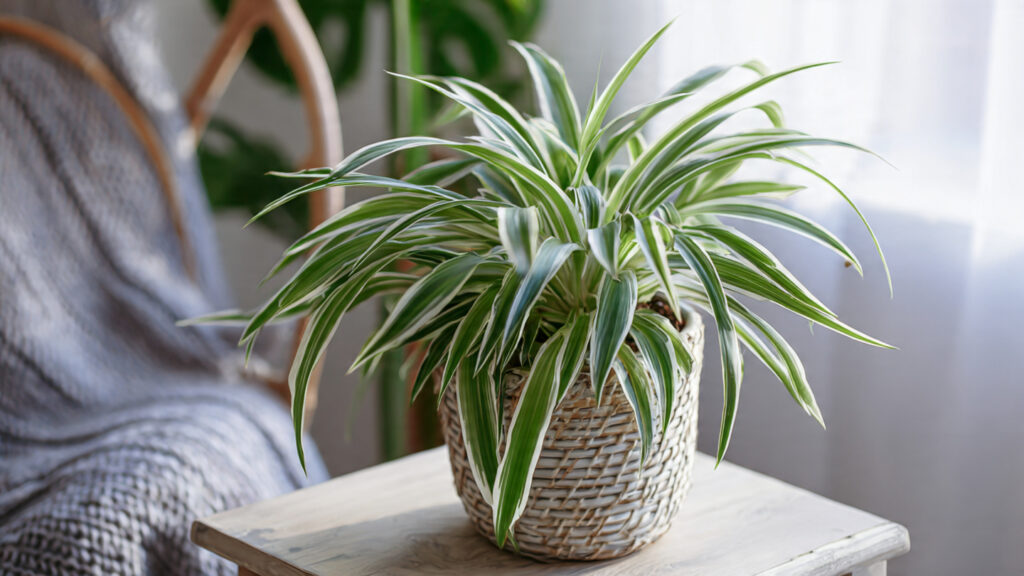
Spider plants (Chlorophytum comosum) are among the most beloved indoor plants, known for their striking arching leaves, easy care, and ability to thrive in a variety of conditions. However, winter presents unique challenges for spider plants, from low humidity to reduced sunlight, which can affect their growth and appearance. With proper care, you can keep your spider plant healthy all winter long, ensuring lush green foliage and a steady stream of baby plantlets. Here’s a complete guide to winter care and problem prevention for your spider plant.
Understanding Spider Plants and Their Winter Needs
Spider plants are hardy, adaptable, and perfect for indoor environments. Their long, arching leaves often feature white stripes or variegation, making them a vibrant addition to any space. However, they evolved in subtropical regions, which means they are accustomed to moderate temperatures and humidity, not cold drafts and dry indoor heat.
During winter, spider plants may experience:
- Slower growth due to reduced sunlight.
- Leaf browning from dry indoor air.
- Potential overwatering or root rot due to lower water requirements.
Understanding these needs is the first step to keeping your spider plant thriving throughout the season.
Choosing the Right Location for Winter
Placement is key to winter health. Spider plants need bright, indirect light to maintain their vibrant color and continue growing. Some tips:
- Place your plant near a south- or east-facing window for maximum sunlight.
- Avoid direct harsh sunlight that can scorch leaves, especially through glass.
- Keep the plant away from cold drafts, open windows, and heating vents. Sudden temperature swings stress the plant and can cause leaf tip browning.
Optimal placement ensures your spider plant gets the light it needs without exposing it to harmful winter conditions.
Watering Adjustments for Winter
Spider plants require less water during winter due to slower growth. Overwatering is the most common problem indoors during colder months. Follow these guidelines:
- Allow the top inch of soil to dry out before watering again.
- Reduce watering frequency compared to spring and summer.
- Ensure the pot has proper drainage to prevent waterlogging.
Remember, underwatering is usually less of an issue than overwatering during winter, so err on the side of caution.
Maintaining Humidity
Indoor heating systems often dry out the air, which can cause brown leaf tips on spider plants. Maintaining adequate humidity is crucial:
- Place a humidifier nearby if your home air is very dry.
- Group plants together to naturally increase humidity.
- Mist leaves occasionally with water, avoiding excessive wetting to prevent fungal problems.
- Use a tray with water and pebbles beneath the plant to improve local humidity.
Proper humidity helps prevent stress and keeps foliage lush and healthy.
Temperature Considerations
Spider plants thrive in temperatures between 60–75°F (16–24°C). During winter:
- Avoid placing the plant near cold drafts or uninsulated windows.
- Keep it away from heaters or radiators that can dry out leaves.
- If possible, maintain a consistent indoor temperature to reduce stress.
Stable temperatures prevent leaf browning and support ongoing plant health.
Fertilizing During Winter
Spider plants require less fertilizer during the dormant winter months. Over-fertilizing can damage roots and leaves. Experts recommend:
- Pause fertilization from late fall through winter.
- Resume feeding in early spring when growth picks up.
- If you choose to fertilize lightly, use a diluted, balanced indoor plant fertilizer once a month.
Reducing fertilizer prevents salt buildup in the soil and keeps your spider plant thriving.
Repotting Considerations
Winter is generally not the ideal time for repotting, as the plant’s growth slows. However, if your spider plant is root-bound or has outgrown its container, take these precautions:
➡️ How to Grow Malabar Spinach from Cuttings for Fast, Easy Greens
➡️ How to Grow Super Delicious Cabbage at Home Without a Garden
➡️ How to Grow Bean Sprouts at Home in Plastic Bottles Easily (Step‑by‑Step Guide)
➡️ Why is Your Lemon Tree Blooming in the Heart of Winter?
➡️ Why Should Your Garden Have a Dedicated Pollinator Highway?
➡️ Why Do Your Fruit Trees Need a Winter Wash to Thrive in Spring?
➡️ How Can Rice Water Transform Your Fruits into Sweeter Delights?
➡️ Jumpstart Your Winter Garden: Seed Starting Under Lights
- Repot in a well-draining soil mix designed for indoor plants.
- Avoid disturbing the roots excessively.
- Ensure the new pot has drainage holes to prevent water accumulation.
For most spider plants, repotting is best scheduled for spring, when growth resumes.
Preventing Common Winter Problems
Spider plants may encounter several issues during winter. Here’s how to prevent them:
- Brown leaf tips – Often caused by dry air or over-fertilization. Maintain humidity and reduce fertilizer.
- Yellowing leaves – Could indicate overwatering or poor drainage. Adjust watering and check soil.
- Pests – Spider mites and aphids can appear even indoors. Inspect leaves regularly and treat with insecticidal soap if needed.
- Weak or drooping growth – Often due to low light. Supplement with grow lights if necessary.
Proactive care keeps your spider plant healthy and reduces the need for corrective measures.
Propagating Spider Plants in Winter
One of the joys of spider plants is their baby plantlets, also called spiderettes, which can be propagated year-round. Winter propagation is possible with proper care:
- Leave plantlets attached until they develop small roots.
- Plant in a small pot with well-draining soil or place in water until roots develop.
- Keep in bright, indirect light and maintain moderate humidity.
Winter propagation allows you to create new plants even when growth slows.
Tips for Year-Round Visual Appeal
Even during winter, you can ensure your spider plant remains an attractive feature:
- Remove any dead or yellow leaves promptly.
- Dust leaves gently to maximize photosynthesis.
- Rotate the plant to ensure even leaf growth.
- Consider decorative pots to brighten up indoor spaces and complement your home decor.
Maintaining a visually appealing plant improves indoor ambiance and encourages consistent care.
Expert Advice for Thriving Spider Plants
Experts suggest these additional strategies:
- Monitor soil moisture with a finger test or moisture meter.
- Use filtered or distilled water if your tap water is high in salts or fluoride to prevent leaf tip browning.
- Avoid sudden changes in light, temperature, or location, which can stress the plant.
- Keep the plant clean by wiping leaves with a damp cloth occasionally.
Following these expert tips ensures that your spider plant remains healthy, lush, and problem-free throughout winter.
Conclusion
Spider plants are resilient, adaptable, and ideal for indoor gardening. However, winter presents unique challenges, from low humidity and reduced light to overwatering and temperature fluctuations. By choosing the right location, adjusting watering routines, maintaining humidity, monitoring temperature, reducing fertilizer, and preventing pests, you can keep your spider plant healthy all season long.
Whether you enjoy its arching foliage, baby plantlets, or simply the air-purifying benefits, a well-cared-for spider plant adds year-round greenery and beauty to your home. With careful attention and the expert strategies outlined above, your spider plant can not only survive winter but thrive, maintaining its lush appearance and vitality until spring returns.