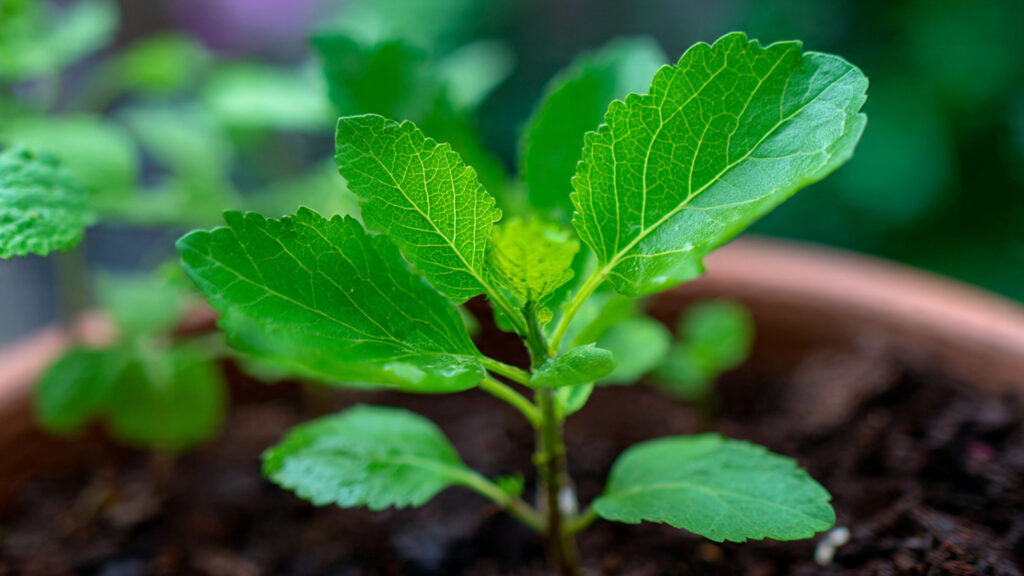
Tulsi (Ocimum sanctum), also known as holy basil, is one of the most revered plants in Indian households. Beyond its spiritual and medicinal significance, a healthy tulsi plant is a beautiful addition to any garden or balcony. Many home gardeners struggle with thin, sparse tulsi plants that fail to develop dense foliage. A thick and leafy tulsi not only looks vibrant but also ensures a continuous supply of fresh leaves for medicinal teas, home remedies, and culinary uses. The good news is that achieving a lush, bushy tulsi plant doesn’t require chemicals or complicated techniques—nature provides all the tools you need. Here’s a comprehensive guide to cultivating a strong, leafy tulsi plant naturally.
1. Choosing the Right Variety
The first step toward a thick and healthy tulsi plant is selecting the right variety. Tulsi comes in several types, each with slightly different growth habits:
- Rama Tulsi: Green leaves with a sweet aroma; grows tall and naturally bushy.
- Krishna Tulsi: Dark purple leaves with a strong medicinal aroma; grows upright but can be encouraged to branch with pruning.
- Vana Tulsi: Wild variety; smaller leaves but highly resilient and aromatic.
Choosing a vigorous variety suited to your local climate ensures better growth and helps your plant develop thick foliage.
2. Planting in the Right Location
Sunlight, soil, and air circulation are key factors in making tulsi thick and leafy:
- Sunlight: Tulsi thrives in full sun. Ensure your plant receives at least 5–6 hours of direct sunlight per day. Sufficient light promotes strong stems and healthy leaves.
- Soil: Use well-draining, fertile soil rich in organic matter. Tulsi does well in sandy loam or garden soil enriched with compost. Avoid waterlogged or heavy clay soils, as these can stunt growth.
- Air Circulation: Adequate spacing prevents fungal infections and encourages healthy branching. Plant tulsi in pots or beds with at least 8–12 inches between plants.
Correct site selection sets the stage for natural, vigorous growth without relying on chemical boosters.
3. Regular Watering Practices
Water management is crucial for a dense tulsi plant. Both overwatering and underwatering can lead to sparse growth:
- Watering Schedule: Tulsi prefers moderately moist soil. Water deeply when the top inch of soil feels dry, ensuring roots receive moisture without becoming waterlogged.
- Avoid Stagnant Water: Tulsi roots are sensitive to standing water, which can cause root rot and yellowing leaves. Good drainage is essential, especially in pots.
- Mulching: Applying a thin layer of organic mulch around the base helps retain soil moisture, regulates temperature, and naturally suppresses weeds.
Consistent but careful watering encourages strong root development, which translates to thicker, healthier foliage.
4. Using Organic Fertilizers
Nutrient-rich soil is the foundation of a leafy tulsi plant. Rather than chemical fertilizers, natural alternatives promote sustainable growth:
- Compost: Well-decomposed compost improves soil fertility and texture. Add a small amount during planting and refresh the top layer every few months.
- Vermicompost: Rich in nutrients and beneficial microbes, vermicompost enhances leaf growth and overall plant vigor.
- Natural Fertilizers: Organic options such as cow dung slurry, neem cake, and diluted liquid manure can boost nutrient levels without harming the plant.
Feeding tulsi naturally ensures continuous growth, healthier leaves, and resistance to pests.
5. Pruning and Pinching for Bushiness
One of the most effective techniques for making tulsi thick and leafy is regular pruning and pinching:
- Pinch the Tips: When your plant reaches 6–8 inches in height, pinch off the top 1–2 inches. This encourages lateral branching instead of vertical growth.
- Remove Flower Buds Early: Tulsi tends to divert energy to flowers, which can make the plant leggy. Snip off early flower buds to focus energy on leaf production.
- Prune Sparsely: Trim old or weak stems to allow light penetration and airflow. Avoid heavy pruning, which can stress the plant.
Consistent pruning transforms a thin tulsi plant into a dense, bushy one while improving overall health.
6. Companion Planting for Natural Protection
Tulsi benefits from being grown alongside plants that repel pests or enhance growth naturally:
- Marigold: Its aroma deters common pests like aphids and whiteflies.
- Mint or Lemon Balm: Planting near tulsi can boost soil health and provide natural pest resistance.
- Avoid Aggressive Neighbors: Avoid planting tulsi next to aggressive or large-rooted plants that compete for nutrients and water.
Companion planting is a natural way to keep tulsi healthy without chemical sprays, which can stress the plant and hinder leaf growth.
7. Sunlight and Temperature Considerations
Adequate sunlight and temperature play a major role in making tulsi thick and leafy:
- Temperature: Tulsi thrives in warm temperatures between 20–35°C (68–95°F). Cooler conditions slow growth and lead to sparse foliage.
- Sunlight Exposure: Rotate pots or reposition plants to ensure all sides receive sunlight evenly. Uneven exposure can result in leaning growth or sparse leaves on shaded sides.
- Indoor Care: If growing tulsi indoors, use grow lights for 10–12 hours daily during winter months to maintain leaf density.
A sunny, warm environment supports robust photosynthesis, enabling the plant to produce more leaves naturally.
➡️ How to Grow Malabar Spinach from Cuttings for Fast, Easy Greens
➡️ How to Grow Super Delicious Cabbage at Home Without a Garden
➡️ How to Grow Bean Sprouts at Home in Plastic Bottles Easily (Step‑by‑Step Guide)
➡️ Why is Your Lemon Tree Blooming in the Heart of Winter?
➡️ Why Should Your Garden Have a Dedicated Pollinator Highway?
➡️ Why Do Your Fruit Trees Need a Winter Wash to Thrive in Spring?
➡️ How Can Rice Water Transform Your Fruits into Sweeter Delights?
➡️ Jumpstart Your Winter Garden: Seed Starting Under Lights
8. Pest and Disease Management Naturally
Pests can weaken tulsi plants and prevent thick leaf growth. Organic methods maintain plant health while avoiding chemical damage:
- Aphids and Mealybugs: Spray a mild solution of neem oil or soapy water to control infestations.
- Fungal Diseases: Proper spacing, pruning, and good drainage prevent leaf spots and root rot. Avoid wetting leaves during watering.
- Beneficial Insects: Encourage ladybugs or lacewings, which naturally feed on pests.
Healthy plants naturally develop dense foliage, so controlling pests organically is key to thriving tulsi.
9. Repotting and Soil Refresh
For potted tulsi plants, refreshing soil and occasional repotting is crucial for continuous growth:
- Repot Annually: Choose a slightly larger pot each year and refresh soil to provide room for root expansion.
- Top-Dress Soil: Add a thin layer of compost or vermicompost to restore nutrients without disturbing the plant.
- Check Roots: Trim overly long or congested roots to encourage healthier leaf growth above ground.
Refreshing the growing medium ensures tulsi has access to nutrients and space, leading to naturally thick foliage.
10. Harvesting Tips for Continuous Growth
Regular harvesting not only provides fresh leaves but also encourages bushiness:
- Pick Frequently: Harvest mature leaves regularly to stimulate new growth. Avoid taking more than one-third of the plant at a time.
- Focus on Branch Tips: Snip the ends of branches rather than leaves from the middle. This encourages lateral shoots to grow and creates a fuller plant.
- Timing: Harvest in the morning for maximum essential oil content and aroma.
Strategic harvesting is a natural growth stimulant, promoting a leafy, vibrant tulsi plant throughout the year.
Conclusion
Making a tulsi plant thick and leafy naturally is achievable with attention to sunlight, soil, watering, pruning, and natural fertilizers. By choosing the right variety, planting in an optimal location, pruning regularly, and providing organic nutrients, home gardeners can cultivate a lush, bushy tulsi plant that thrives year-round.
A healthy tulsi plant not only enhances your home garden aesthetically but also provides an endless supply of aromatic, medicinal leaves for teas, remedies, and rituals. Companion planting, natural pest control, and consistent harvesting further contribute to a dense, thriving plant. By following these essential tips, gardeners can enjoy the beauty, fragrance, and health benefits of a naturally thick and leafy tulsi plant—without relying on chemicals or artificial growth boosters.
With patience, consistency, and a little care, even a small balcony pot or backyard garden can host a tulsi plant that is dense, vibrant, and endlessly rewarding.