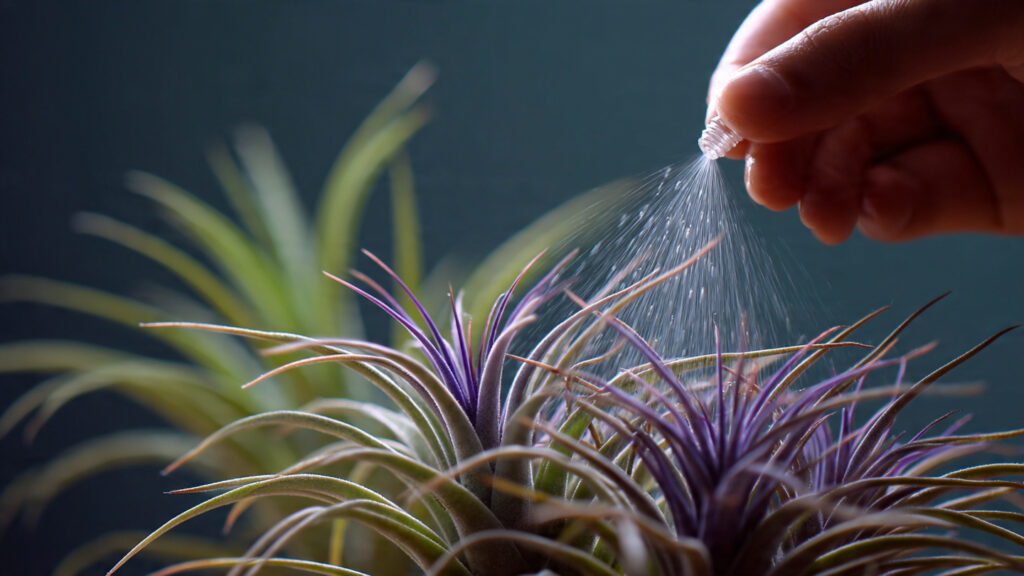
Air plants, scientifically known as Tillandsia, are a unique and captivating group of plants that have captured the hearts of indoor gardeners around the world. Unlike typical potted plants, air plants do not require soil to grow. Instead, they absorb nutrients and moisture directly through their leaves, making their care both fascinating and slightly different from conventional plants. One of the most important aspects of air plant care is misting, a process that ensures these delicate plants get the hydration they need without overwatering. Done correctly, misting can help your air plants thrive, flourish, and maintain their vibrant green appearance. Done incorrectly, however, it can lead to rot, fungal issues, or stunted growth.
In this comprehensive guide, we will cover everything you need to know about how to mist air plants properly, from understanding their natural habitat to choosing the right water and misting schedule.
Understanding Air Plants and Their Needs
Before diving into misting techniques, it’s essential to understand why air plants need misting at all. Native to forests, mountains, and deserts of Central and South America, air plants naturally grow attached to trees, rocks, and other surfaces. In the wild, they receive moisture from rain, dew, and humidity in the air. Because they do not have roots to absorb water from soil, air plants rely entirely on their leaves to gather moisture.
This unique adaptation means that their water needs are different from typical houseplants. Air plants require consistent, light hydration rather than large amounts of water at once. This is why misting is a crucial part of their care—it mimics the natural moisture they would receive in their native environments.
Choosing the Right Water for Misting
The first step to effective misting is selecting the right water. Air plants are sensitive to chemicals, so not all water sources are suitable. Tap water often contains chlorine, fluoride, or other minerals that can harm the plant over time. Instead, the best options include:
- Rainwater: Fresh, natural rainwater is ideal for air plants. It’s free of chemicals and mimics their natural hydration.
- Distilled water: Safe and chemical-free, distilled water prevents mineral buildup on leaves.
- Filtered water: Using a good water filter can remove harmful substances while keeping trace minerals that may benefit the plant.
It’s crucial to avoid softened water, as high sodium content can damage air plants.
How Often Should You Mist Air Plants?
Misting frequency depends on the humidity level of your environment. Air plants thrive in humidity levels between 50% and 70%, so misting schedules vary based on your home conditions:
- Low humidity (below 40%): Mist daily or consider soaking your plants once a week.
- Moderate humidity (40–60%): Mist 2–3 times per week.
- High humidity (above 60%): Mist once or twice a week may be enough.
Remember, misting is supplementary hydration. If your environment is extremely dry, occasional soaking of your air plant in water for 20–30 minutes may be necessary to prevent dehydration.
The Correct Misting Technique
Proper technique is essential to ensure that misting actually benefits your air plants. Follow these steps for the best results:
- Use a spray bottle with a fine mist: A gentle, fine spray ensures water covers the plant evenly without pooling at the base.
- Mist all angles: Air plants absorb water through all leaf surfaces, so turn the plant while misting to coat every leaf.
- Avoid over-saturation: Leaves should be moist but not dripping. Excess water can lead to rot.
- Morning misting is ideal: Misting in the morning allows leaves to dry during the day, reducing the risk of fungal growth or rot overnight.
- Shake off excess water: After misting, gently shake the plant to remove any water that may have collected in the center or leaf folds. This prevents water from stagnating.
Signs of Proper Hydration
Monitoring your air plant is the best way to gauge if your misting routine is working. Healthy, well-hydrated air plants display:
- Leaves that are firm and vibrant green.
- Growth of new leaves or offsets (pups).
- No brown or crispy tips on leaves.
If your plant shows signs of dehydration, such as curling, browning, or shriveling leaves, it may need more frequent misting or a brief soak.
Avoiding Common Misting Mistakes
Even experienced air plant enthusiasts can make mistakes when misting. Some common errors include:
- Over-misting: Too much water can lead to fungal infections and rot. Leaves should be damp, not dripping.
- Using hard tap water: Minerals can accumulate on leaves, causing white spots and reduced photosynthesis.
- Misting at night: Moisture trapped overnight encourages fungal growth and decay.
- Ignoring air circulation: Air plants need good airflow to dry properly. Avoid placing them in closed containers without ventilation.
By avoiding these mistakes, you can ensure your air plants thrive for years.
Enhancing Misting with Occasional Soaks
While misting is sufficient for most indoor air plants, occasional soaking can give them an extra boost, especially during dry seasons. To soak your air plants:
- Fill a bowl or sink with room temperature water.
- Submerge the plant completely for 20–30 minutes.
- Remove and gently shake off excess water.
- Place the plant upside down on a towel to dry completely before returning it to its display.
Soaking once every one to two weeks complements regular misting and promotes vigorous growth.
➡️ How to Grow Malabar Spinach from Cuttings for Fast, Easy Greens
➡️ How to Grow Super Delicious Cabbage at Home Without a Garden
➡️ How to Grow Bean Sprouts at Home in Plastic Bottles Easily (Step‑by‑Step Guide)
➡️ Why is Your Lemon Tree Blooming in the Heart of Winter?
➡️ Why Should Your Garden Have a Dedicated Pollinator Highway?
➡️ Why Do Your Fruit Trees Need a Winter Wash to Thrive in Spring?
➡️ How Can Rice Water Transform Your Fruits into Sweeter Delights?
➡️ Jumpstart Your Winter Garden: Seed Starting Under Lights
Tips for Displaying Misted Air Plants
Air plants are not only low-maintenance—they’re also incredibly versatile in design. Here are some display tips to maximize their health and aesthetic appeal:
- Use mounts and holders: Driftwood, shells, or decorative stands allow air to circulate freely around the plant.
- Avoid terrariums with no ventilation: Enclosed containers can trap moisture and encourage rot.
- Group by similar care needs: Plants with similar humidity and light requirements thrive when misted together.
Proper display ensures that misting reaches all parts of the plant and supports healthy growth.
Fertilizing Alongside Misting
Misting also presents an opportunity to fertilize your air plants. Using a water-soluble bromeliad fertilizer diluted to one-quarter strength once a month can promote stronger roots, vibrant leaves, and more blooms. Simply add the fertilizer to the water you use for misting or soaking.
Conclusion: The Art of Misting
Misting air plants correctly is both a science and an art. By understanding their natural habitat, using the right water, following proper techniques, and monitoring their health, you can create a thriving indoor garden with minimal effort. Remember that consistency, gentle care, and attention to environmental conditions are key.
The next time you reach for your spray bottle, consider it more than just a watering tool—it’s a way to mimic nature, nurture life, and enjoy the unique beauty of air plants in your home. With the right approach, misting becomes not just a chore, but a satisfying ritual that keeps your plants healthy, lush, and full of life.