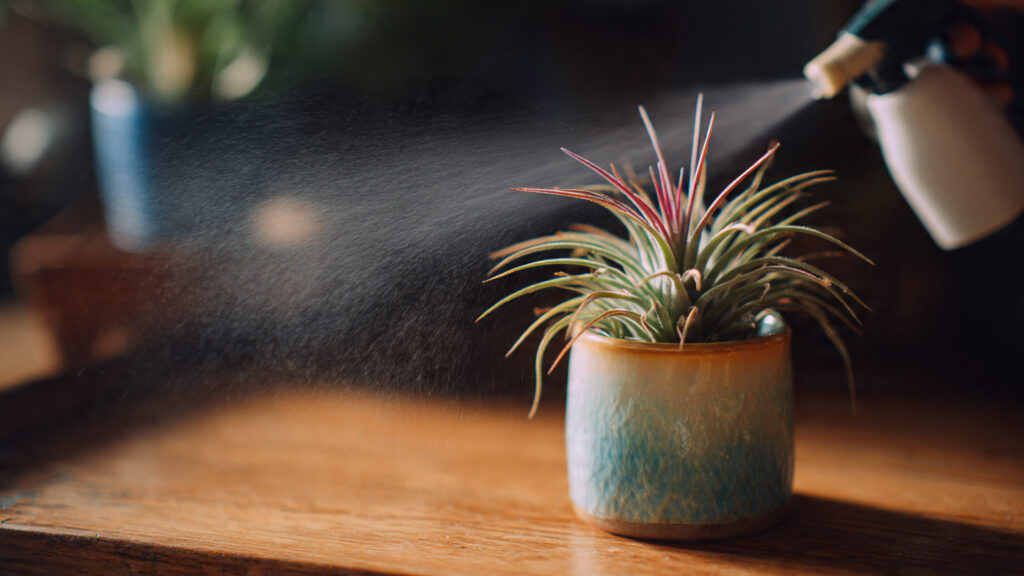
Air plants, or Tillandsia, are unique and captivating plants that have grown increasingly popular among indoor gardeners. Unlike most houseplants, air plants don’t require soil to thrive. Instead, they absorb water and nutrients through their leaves, making them perfect for creative displays like hanging arrangements, terrariums, and decorative mounts. While their care is relatively straightforward, one key factor that can make or break your air plant’s health is proper watering—particularly misting. Mist incorrectly, and your plant could suffer; mist correctly, and it will flourish with vibrant color and growth. In this guide, we’ll explore the best practices for misting air plants, ensuring they thrive in your home.
Understanding Air Plant Water Needs
Before diving into misting techniques, it’s essential to understand how air plants get their water. Air plants naturally grow in humid environments, often clinging to trees in rainforests or deserts where moisture in the air is abundant. They don’t have roots for drawing water from soil, so their leaves act as specialized sponges, absorbing water and nutrients directly from the air.
Because of this unique adaptation, overwatering and underwatering are common issues. Misting is one of the most effective ways to replicate their natural moisture levels, but only if done correctly. Too little misting leaves the plant dehydrated, while too much can cause rot or fungal growth. Observing your plant’s leaves is key—healthy air plants are firm, vibrant, and slightly curved inward. Wilting, curling, or browning tips indicate a need for adjustment in watering routine.
When to Mist Your Air Plants
Timing is crucial for air plant health. Most air plants benefit from misting 2–3 times per week, but frequency depends on your home’s humidity, temperature, and the specific species you own. In dry climates or heated indoor environments, daily misting may be necessary. Conversely, in naturally humid areas, misting once or twice a week could suffice.
The best time to mist air plants is in the morning. Early misting allows excess water to evaporate throughout the day, preventing prolonged moisture that could encourage rot. Avoid misting at night unless you ensure the plant can dry completely before temperatures drop, as stagnant moisture in cool conditions often leads to fungal issues.
Choosing the Right Water
The quality of water used for misting significantly affects air plant health. Tap water may contain minerals, chlorine, or fluoride that can harm delicate leaves over time. If possible, use rainwater, distilled water, or filtered water to mist your air plants. If you must use tap water, allow it to sit for 24 hours to let chlorine dissipate. Avoid softened water entirely, as the salts in it can damage the plant’s foliage.
The Correct Misting Technique
Misting air plants is more than just spraying a fine mist over them. Here’s the best method to ensure your plants absorb enough moisture without being harmed:
- Use a fine mist spray bottle: A nozzle that produces a gentle, even mist prevents water from pooling in the plant’s base or center. Air plants can only absorb a small amount of water at a time, and droplets should lightly coat all leaves.
- Spray from multiple angles: To fully hydrate your plant, mist the top, sides, and underneath the leaves. This ensures all trichomes—specialized leaf structures that absorb moisture—receive adequate water.
- Allow proper drying: After misting, place the air plant in an area with good air circulation to dry completely within 2–4 hours. Never leave a misted air plant in a closed container or dark, humid environment overnight, as this encourages rot.
- Adjust misting intensity seasonally: During hot, dry summer months, air plants may need daily misting. In cooler, more humid winter months, misting frequency can be reduced. Observing your plant’s leaves for signs of dehydration or overwatering will help you determine the optimal schedule.
Supplementary Watering Techniques
While misting is essential, it’s not always sufficient for larger or more mature air plants. To boost hydration, consider:
- Soaking: Occasionally soak air plants in a bowl of water for 20–30 minutes, then shake off excess water and let them dry completely. This is particularly helpful for thick-leaved species or during extended dry spells.
- Humidity trays: Placing air plants near a tray of water or a humidifier can enhance ambient moisture without overwatering individual plants.
- Grouping plants: Cluster air plants together. They create a microenvironment with slightly higher humidity, reducing the need for frequent misting.
Common Mistakes to Avoid
Even experienced gardeners can struggle with misting. Here are common pitfalls to avoid:
- Over-misting: Spraying too frequently or letting water pool in the plant’s center can cause rot, a leading cause of air plant death.
- Using the wrong water: Hard or chlorinated water can leave deposits, discolor leaves, or stunt growth.
- Insufficient drying: Air plants must dry fully after misting. If left damp in low-light or stagnant air conditions, fungal infections may develop.
- Ignoring seasonal needs: Misting routines should change with humidity, temperature, and light conditions. What works in summer may be too much in winter.
- Misting indoors with poor air circulation: Even a light mist can be harmful if the plant remains in stagnant air for hours. Ensure proper ventilation in its display area.
Signs Your Air Plant Needs More or Less Misting
Observing your plant’s leaves is the best way to gauge misting effectiveness.
Needs more water:
- Leaves curling inward
- Brown or crispy tips
- Dull, grayish-green coloration
Needs less water:
- Soft, mushy leaves
- Black spots at the leaf base or center
- Leaves falling off easily
Adjust your misting routine based on these signs to maintain healthy growth.
Creative Ways to Display Misted Air Plants
Misting doesn’t just keep air plants healthy—it also allows you to create stunning displays without traditional soil. Here are a few ideas:
- Mounted on driftwood or cork: Secure air plants on pieces of wood, misting daily for a naturalistic display.
- Glass terrariums: Open terrariums are ideal; mist lightly and ensure air circulation to prevent moisture buildup.
- Hanging arrangements: Hang air plants from wire, macramé, or geometric frames. Mist from all sides for even hydration.
- Tablescapes and centerpieces: Cluster air plants with decorative stones, moss, or shells, misting as needed to keep them fresh.
These arrangements allow air plants to thrive while adding visual interest to any room.
➡️ How to Grow Malabar Spinach from Cuttings for Fast, Easy Greens
➡️ How to Grow Super Delicious Cabbage at Home Without a Garden
➡️ How to Grow Bean Sprouts at Home in Plastic Bottles Easily (Step‑by‑Step Guide)
➡️ Why is Your Lemon Tree Blooming in the Heart of Winter?
➡️ Why Should Your Garden Have a Dedicated Pollinator Highway?
➡️ Why Do Your Fruit Trees Need a Winter Wash to Thrive in Spring?
➡️ How Can Rice Water Transform Your Fruits into Sweeter Delights?
➡️ Jumpstart Your Winter Garden: Seed Starting Under Lights
Encouraging Growth and Blooming
Proper misting not only keeps air plants alive—it encourages growth and even flowering. With consistent hydration and adequate light, air plants will produce offsets, or “pups,” which can grow into new plants. Additionally, some species may bloom with vibrant, colorful flowers that last several weeks. Misting, combined with indirect sunlight and occasional fertilization with a bromeliad or air plant fertilizer, provides ideal conditions for growth and flowering.
Conclusion
Misting air plants correctly is an art and a science, balancing hydration, airflow, and light to mimic their natural environment. By using clean water, misting at the right frequency, ensuring proper drying, and adjusting for seasonal conditions, you can keep your air plants vibrant and thriving. Observing leaf health and understanding each species’ specific needs ensures your indoor garden remains lush, dynamic, and full of life.
Air plants offer a unique, low-maintenance way to bring greenery into your home, but their success depends on proper care—especially water management. By following the guidelines in this guide, you can enjoy the beauty of healthy air plants, encourage blooms, and even propagate new plants, all while creating a stunning indoor garden display. With a little attention and the right misting technique, air plants can transform your home into a verdant oasis of color and life.