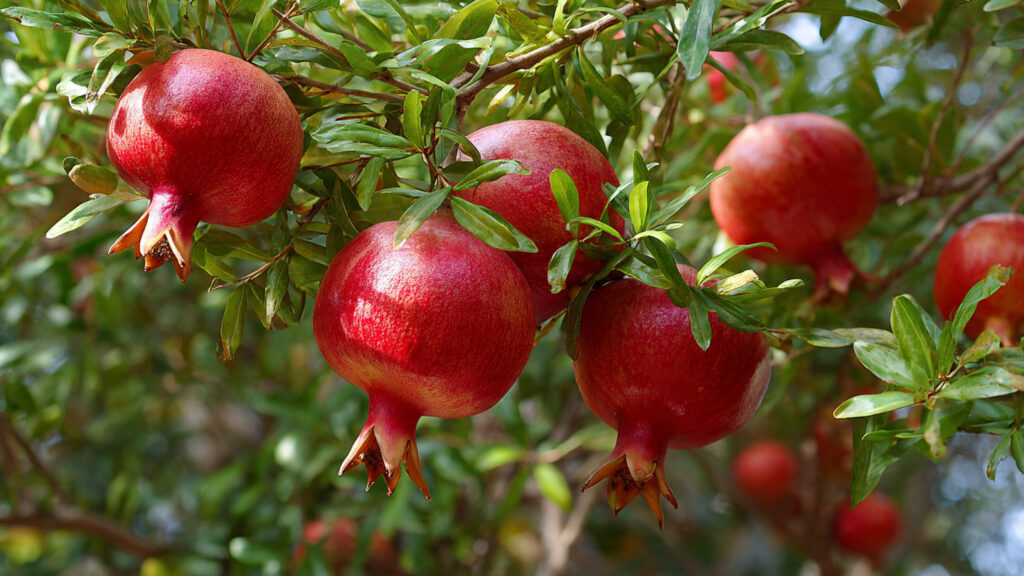
Pomegranate trees are a beloved addition to gardens worldwide. With their vibrant blossoms, glossy leaves, and delicious ruby-red fruits, they bring both beauty and productivity. However, like many fruit trees, pomegranates can become unruly if left unchecked. An overgrown tree can reduce fruit quality, create shading issues for other plants, and make harvesting a challenge. The good news is that you can naturally control your pomegranate tree’s size while keeping it healthy, productive, and visually appealing. In this article, we’ll explore step-by-step strategies to manage the growth of your pomegranate tree effectively without relying on chemical growth inhibitors or drastic measures.
Understanding Pomegranate Growth Patterns
Before you start controlling your tree, it’s important to understand how pomegranate trees grow. Native to regions of the Middle East and South Asia, pomegranate trees thrive in sunny, warm climates and are surprisingly drought-tolerant. They generally grow as multi-stemmed shrubs or small trees, reaching heights of 12–20 feet if left unmanaged.
Pomegranates naturally produce a dense canopy of branches, which is ideal for fruit production but can also result in overcrowding. Without proper management, the tree may direct more energy into excessive vegetative growth rather than fruiting. Recognizing the difference between vegetative growth (new shoots and leaves) and fruiting wood (older branches that bear flowers and fruits) is key to size control.
Step 1: Select the Right Variety
One of the simplest ways to manage tree size naturally is to start with a compact or dwarf variety. Some pomegranate cultivars are naturally smaller and more suited to container growth or limited garden spaces. For example, varieties like “Nana” are naturally compact and well-suited for small gardens or ornamental purposes, while others like “Wonderful” can become quite large if not pruned regularly.
Selecting the right variety sets the foundation for easier size management throughout the tree’s life.
Step 2: Choose the Ideal Planting Location
Planting your pomegranate tree in the right location is another natural way to influence its growth. Pomegranates prefer full sun and well-draining soil. Planting in an area with ample sunlight encourages strong fruiting rather than excessive leaf growth.
Additionally, planting in a slightly confined space—like near a border, fence, or container—can help naturally restrict size. Trees planted in open fields may grow more vigorously, while trees near obstacles tend to remain smaller. Proper spacing between trees is also essential to avoid competition and encourage manageable growth.
Step 3: Prune Strategically for Shape and Size
Pruning is the most effective natural tool for controlling pomegranate size. The goal is not just to limit height but to maintain a healthy structure, improve air circulation, and enhance sunlight penetration. Here’s a step-by-step guide for pruning:
- Start Early: Begin shaping your tree in the first few years after planting. Remove weak or crossing branches to establish a strong framework.
- Remove Suckers: Pomegranates often produce suckers from the base. Regularly remove these to prevent the tree from becoming bushy and sprawling.
- Thin the Canopy: Each winter or early spring, prune crowded branches to allow light and air to reach the interior. Focus on removing older, non-productive wood.
- Cut Back to Maintain Height: If the tree is growing too tall for your space, prune the top branches selectively. Cut just above a leaf node to encourage lateral growth rather than a single upward shoot.
- Encourage Fruit-bearing Wood: Trim excessive vegetative growth while leaving branches that flower and bear fruit. This directs the tree’s energy toward producing pomegranates rather than just foliage.
Pruning doesn’t have to be severe—pomegranates respond well to moderate, regular maintenance rather than drastic cuts.
Step 4: Use Container or Raised Bed Planting
Planting pomegranate trees in containers or raised beds is another natural way to control size. Limited root space restricts excessive growth while still allowing the tree to produce flowers and fruits.
- Containers: Choose large pots (15–25 gallons) to provide enough room for root development while naturally restricting tree size. Regularly inspect roots for circling or crowding, and repot every few years if necessary.
- Raised Beds: Planting in raised beds with defined edges can slow down vigorous growth. Combined with strategic pruning, this method keeps your tree within a manageable size range.
Container and raised bed gardening also make harvesting easier, as fruits are within reach, and provide flexibility in relocating the tree if needed.
Step 5: Manage Nutrients and Watering
Pomegranate trees are hardy, but over-fertilization can lead to excessive vegetative growth. If your goal is to control tree size naturally, focus on balanced nutrient management:
- Fertilizer: Apply a balanced fertilizer with moderate nitrogen content. High nitrogen levels encourage leafy growth, which increases overall tree size. Use fertilizers rich in potassium and phosphorus to promote flowering and fruiting.
- Watering: Pomegranates tolerate drought, and controlled watering can help limit excessive growth. While consistent watering is needed during flowering and fruiting, avoid overwatering young trees, which can promote rapid, uncontrollable growth.
By carefully managing nutrients and water, you can naturally encourage your pomegranate tree to focus energy on producing flowers and fruits instead of uncontrolled height or width.
Step 6: Training and Shaping Techniques
Training your pomegranate tree as it grows can further help maintain a manageable size. Techniques such as espalier, central leader, or open-center pruning allow you to guide the shape of the tree:
- Espalier: Train branches along a flat plane against a wall or trellis. This method naturally limits size and creates an ornamental feature.
- Central Leader: Maintain a dominant central trunk while trimming side branches. This encourages upward growth with limited width.
- Open-center: Create a vase-like structure with several main branches and a hollow center. This encourages fruiting wood and improves light penetration, while naturally keeping the tree shorter and wider rather than tall and dense.
These techniques not only control size but also increase fruit production and make maintenance easier.
➡️ How to Grow Malabar Spinach from Cuttings for Fast, Easy Greens
➡️ How to Grow Super Delicious Cabbage at Home Without a Garden
➡️ How to Grow Bean Sprouts at Home in Plastic Bottles Easily (Step‑by‑Step Guide)
➡️ Why is Your Lemon Tree Blooming in the Heart of Winter?
➡️ Why Should Your Garden Have a Dedicated Pollinator Highway?
➡️ Why Do Your Fruit Trees Need a Winter Wash to Thrive in Spring?
➡️ How Can Rice Water Transform Your Fruits into Sweeter Delights?
➡️ Jumpstart Your Winter Garden: Seed Starting Under Lights
Step 7: Mulching and Soil Health
Maintaining healthy soil and a layer of mulch can indirectly help manage tree size. Mulch preserves soil moisture, suppresses weeds, and stabilizes soil temperature, reducing stress on the tree. Stress can sometimes trigger excessive growth or irregular flowering, so keeping your pomegranate tree healthy naturally limits erratic growth.
Organic mulches like straw, wood chips, or composted leaves are ideal. Apply 2–3 inches around the base of the tree, keeping it a few inches away from the trunk to prevent rot.
Step 8: Monitor for Pests and Diseases
A healthy pomegranate tree grows in a controlled, predictable manner. Unchecked pest infestations or diseases can cause abnormal growth patterns or weaken the tree, complicating size management. Common pests include aphids, whiteflies, and pomegranate butterflies. Diseases such as leaf spot or root rot can affect growth.
Use natural pest control methods:
- Introduce beneficial insects like ladybugs for aphids.
- Apply neem oil or insecticidal soap for mild infestations.
- Remove diseased leaves promptly to prevent spread.
Maintaining a pest- and disease-free environment ensures your tree grows steadily and remains manageable.
Step 9: Regular Maintenance is Key
Controlling pomegranate tree size is not a one-time task. Consistent care is necessary:
- Prune annually or biannually depending on growth vigor.
- Monitor for new suckers and remove them promptly.
- Adjust nutrient and water schedules as the tree matures.
- Harvest fruits regularly to reduce weight stress and encourage continued production.
Regular maintenance ensures your tree stays healthy, productive, and aesthetically pleasing while remaining within the desired size.
Conclusion
Naturally controlling the size of a pomegranate tree is both an art and a science. By selecting the right variety, planting in an appropriate location, practicing strategic pruning, and maintaining proper care, you can enjoy a tree that is both beautiful and manageable. Container planting, nutrient management, training techniques, and ongoing monitoring all contribute to a pomegranate tree that produces high-quality fruits without overwhelming your garden.
A well-maintained, size-controlled pomegranate tree enhances your garden’s aesthetics, improves fruit quality, and simplifies harvesting. By following these natural methods, you can cultivate a healthy tree that fits perfectly into your garden space, providing delicious fruits and a visual centerpiece for years to come.
Pomegranates are resilient, adaptable, and rewarding. With consistent attention and natural size-control strategies, your garden can host a tree that is both productive and manageable, allowing you to enjoy the vibrant beauty and sweet rewards of this remarkable fruit.