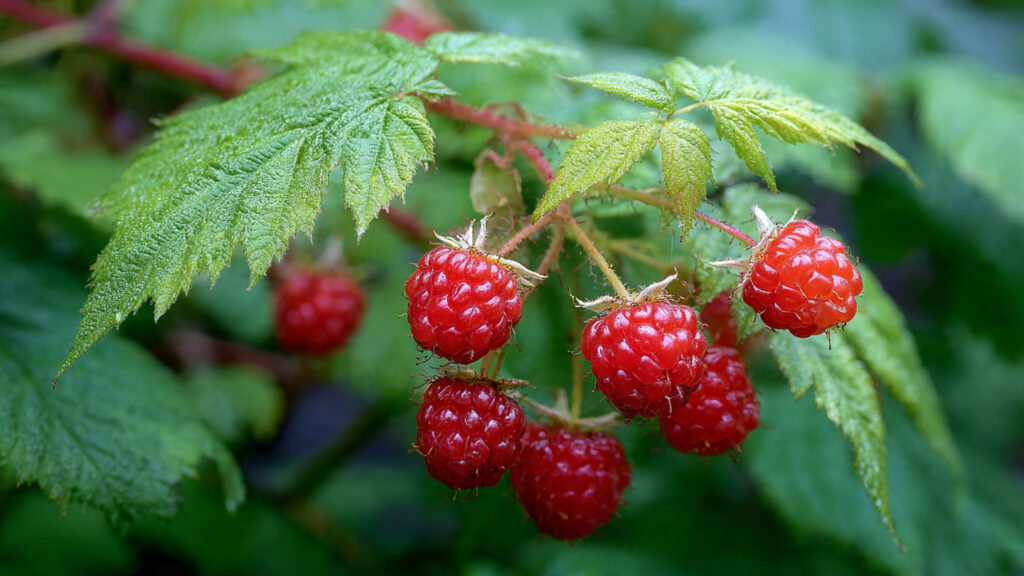
If you’ve ever dreamed of stepping outside and picking fresh berries straight from your own garden, here’s some good news: you don’t have to buy expensive plants to make it happen.
In fact, you can grow many berry bushes from simple cuttings—and it’s much easier than most people think.
Starting berry bushes from cuttings is one of the most rewarding (and budget-friendly) gardening tricks out there. With just a healthy branch, a bit of patience, and the right conditions, you can create brand-new berry plants for free.
Let’s walk through everything you need to know so you can start your own berry patch from cuttings like a pro.
Why Grow Berry Bushes from Cuttings?
Before we dive into the how-to, let’s talk about why this method is so popular.
It saves money
Berry bushes from nurseries can be pricey, especially if you want several plants. Cuttings let you multiply plants without spending much.
It preserves your favorite varieties
If you already have a berry bush that produces delicious fruit, taking cuttings ensures the new plants will be identical.
It’s surprisingly simple
You don’t need fancy equipment or advanced skills—just basic supplies and a little care.
It’s incredibly satisfying
Watching a small twig develop roots and become a fruit-producing plant feels like pure gardening magic.
Best Berry Bushes to Grow from Cuttings
Not all berries propagate the same way, but many popular types root beautifully from cuttings.
Here are some of the easiest berry bushes to start:
- Blackberries
- Raspberries
- Blueberries
- Gooseberries
- Currants
- Elderberries
Blackberries and raspberries are especially beginner-friendly because they root quickly.
Understanding the Two Main Types of Cuttings
Berry bushes can be started using different kinds of cuttings depending on the season.
Softwood Cuttings (Spring to Early Summer)
These come from fresh, flexible new growth.
- Root faster
- Need more moisture and humidity
- Best for blueberries and currants
Hardwood Cuttings (Late Fall to Winter)
These come from mature, woody stems during dormancy.
➡️ How to Grow Malabar Spinach from Cuttings for Fast, Easy Greens
➡️ How to Grow Super Delicious Cabbage at Home Without a Garden
➡️ How to Grow Bean Sprouts at Home in Plastic Bottles Easily (Step‑by‑Step Guide)
➡️ Why is Your Lemon Tree Blooming in the Heart of Winter?
➡️ Why Should Your Garden Have a Dedicated Pollinator Highway?
➡️ Why Do Your Fruit Trees Need a Winter Wash to Thrive in Spring?
➡️ How Can Rice Water Transform Your Fruits into Sweeter Delights?
➡️ Jumpstart Your Winter Garden: Seed Starting Under Lights
- More durable
- Slower to root
- Great for raspberries, blackberries, gooseberries
Both methods work well—it just depends on timing.
What You’ll Need
You don’t need much to get started. Gather these basic supplies:
- Clean pruning shears
- A healthy berry bush
- Small pots or containers
- Fresh potting mix (light and well-draining)
- Rooting hormone (optional but helpful)
- Plastic bag or humidity dome
- Water spray bottle
That’s it—simple and affordable.
Step-by-Step: How to Start Berry Bushes from Cuttings
Now for the fun part! Follow these steps and you’ll be on your way to growing your own berry plants.
Step 1: Choose the Right Stem
Pick a healthy, disease-free branch.
Look for stems that are:
- Strong and green (softwood)
- Firm and woody (hardwood)
- Free of pests or spots
- Not flowering or fruiting heavily
The healthier the cutting, the better your chances of success.
Step 2: Take the Cutting Properly
Using clean, sharp shears, cut a section about:
- 4–8 inches long
Make the cut just below a leaf node (the bump where leaves grow). Nodes are important because that’s where roots will form.
Remove any flowers or fruit from the cutting—your plant needs to focus on rooting, not producing berries yet.
Step 3: Remove Lower Leaves
Strip off the leaves from the bottom half of the cutting.
This prevents leaves from rotting in the soil and directs energy toward root growth.
Leave a few leaves at the top so the cutting can still photosynthesize.
Step 4: Dip in Rooting Hormone (Optional)
Rooting hormone isn’t required, but it can greatly increase success, especially for slower-rooting berries like blueberries.
Simply dip the cut end into the powder or gel and tap off the excess.
Step 5: Plant the Cutting
Fill a small pot with moist, well-draining potting mix.
Make a hole with a pencil or stick, then insert the cutting about:
- 2–3 inches deep
Firm the soil gently around it so it stands upright.
You can plant several cuttings in one pot, but space them apart so air circulates.
Step 6: Create a Humid Environment
Cuttings need high humidity to prevent drying out before roots form.
Cover the pot with:
- A clear plastic bag
or - A mini greenhouse dome
Make sure the plastic doesn’t touch the leaves. Use small sticks if needed.
Place the pot in bright, indirect light—not harsh direct sun.
Step 7: Keep Moist but Not Soggy
Water lightly and consistently.
The soil should feel like a damp sponge, not muddy.
Mist the cutting occasionally to keep humidity high, especially for softwood cuttings.
Step 8: Wait for Roots to Develop
This is the patience part.
Rooting time depends on the berry type:
- Raspberries/blackberries: 2–4 weeks
- Currants/gooseberries: 4–6 weeks
- Blueberries: 6–10 weeks
To check for roots, gently tug the cutting. If you feel resistance, roots are forming!
When to Transplant Your New Berry Bush
Once your cutting has strong roots and new leaf growth, it’s ready for a bigger home.
Transplant when:
- Roots fill the pot
- New shoots appear
- The plant looks stable and healthy
Harden it off slowly by introducing it to outdoor conditions over a week.
Then plant it in your garden or a larger container.
Best Tips for Success
Want the highest success rate? Keep these tips in mind:
- Always use healthy parent plants
- Take multiple cuttings in case some fail
- Keep cuttings warm (65–75°F is ideal)
- Avoid direct sunlight until roots form
- Don’t overwater—rot is the biggest enemy
Common Mistakes to Avoid
Even though it’s easy, beginners sometimes run into a few issues.
Using cuttings that are too old or weak
Choose vigorous stems, not brittle or diseased ones.
Letting the cutting dry out
Humidity is crucial early on.
Planting in heavy garden soil
Use light potting mix so roots can grow easily.
Expecting instant berries
Your new bush may take 1–2 years to fruit—but it will be worth it.
The Joy of Growing Your Own Berry Patch
Starting berry bushes from cuttings is one of the simplest ways to expand your garden naturally.
With just one healthy plant, you can create many more—filling your yard with sweet raspberries, juicy blackberries, or homegrown blueberries without spending a fortune.
And the best part? Every berry you harvest will feel even more special because you grew it from scratch.
So grab those pruning shears, take a few cuttings, and start building your own berry-filled paradise today.