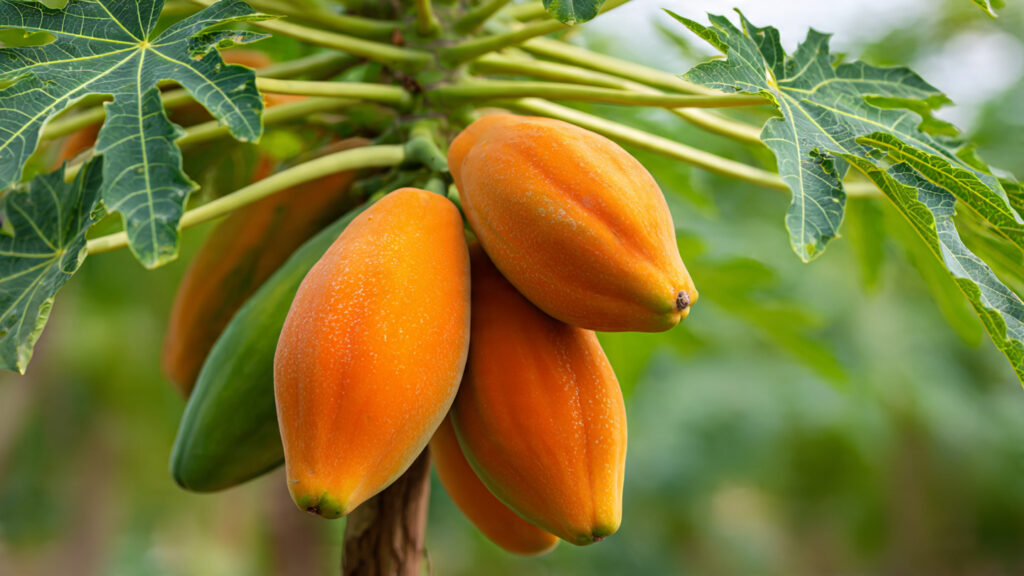
Growing papaya in containers has become increasingly popular among urban gardeners, balcony growers, and anyone who wants the tropical flavor of fresh papaya without the need for large garden spaces. Papayas are fast-growing, productive, and packed with nutrients, making them an excellent choice for home growers. While they are often seen as a tropical fruit that needs vast spaces and warm climates, with the right approach, papaya can thrive in containers, starting right from seeds. In this guide, we’ll walk you through a step-by-step method to germinate and grow papaya seeds successfully in containers.
Understanding Papaya Seeds
Before you dive into planting, it’s essential to understand what you’re working with. Papaya seeds are found inside the fruit, typically black, gelatinous, and surrounded by a thin membrane. When selecting seeds for container planting, always choose seeds from ripe, healthy fruits. The quality of the seed will directly influence germination rates and the vigor of your seedlings.
Papaya seeds are viable for several months if stored properly, but for the best results, use fresh seeds. Dry the seeds lightly for a few days after extraction from the fruit. Over-drying can reduce their viability, while overly wet seeds can rot or develop mold.
Step 1: Selecting the Right Container
The container you choose plays a significant role in papaya growth. Papaya plants have a taproot system that prefers deep soil. For starting seeds, choose a container at least 6–8 inches deep with good drainage holes. Drainage is crucial because papayas are prone to root rot if left in waterlogged soil. Plastic pots, nursery trays, or biodegradable pots work well for germination.
Once seedlings grow, plan to transfer them to larger containers—around 15–20 gallons—to accommodate root growth. Containers made of ceramic, plastic, or high-quality fabric pots are suitable, as they provide ample aeration and water retention.
Step 2: Preparing the Soil Mix
Papayas thrive in rich, well-draining soil. A suitable container mix should include:
- 50% potting soil – ensures basic nutrients and good texture
- 25% compost – provides essential organic matter for growth
- 25% perlite or coarse sand – improves drainage and aeration
Avoid using garden soil alone, as it may compact in containers, limiting root growth and increasing the risk of waterlogging. The soil pH should be slightly acidic to neutral (around 6.0–6.5). Adding a slow-release balanced fertilizer at planting time can also give seedlings a healthy start.
Step 3: Extracting and Preparing Seeds
If you’re using fresh papayas, follow these steps to prepare seeds:
- Slice open the ripe papaya and scoop out the seeds.
- Remove the gelatinous coating by washing seeds under running water or rubbing gently. This layer can inhibit germination if not removed.
- Spread seeds on a paper towel or mesh and let them dry for 24–48 hours in a shaded area. Avoid direct sunlight, which can damage the seed embryo.
Some gardeners soak seeds in water for 24 hours before planting. This softens the seed coat and encourages faster germination, though it’s optional.
Step 4: Sowing Seeds in Containers
Now comes the exciting part—planting your papaya seeds. Here’s how to do it:
- Fill your container with the prepared soil mix, leaving about an inch from the top.
- Make small holes about 0.5 inches deep for each seed. Papaya seeds should not be planted too deep, as this can hinder germination.
- Place one seed in each hole and cover lightly with soil.
- Water gently to moisten the soil, ensuring it is damp but not soggy.
Tip: Space multiple seeds in separate containers or cells to avoid competition and simplify transplanting.
Step 5: Creating the Right Germination Environment
Papaya seeds require warmth and moisture to germinate. The ideal soil temperature for germination is between 70°F–85°F (21°C–29°C). To create a favorable environment:
- Keep containers in a warm, sunny spot, such as a windowsill or greenhouse.
- Cover the containers loosely with a clear plastic lid or plastic wrap to retain moisture.
- Check daily and water lightly if the soil begins to dry.
Germination typically occurs within 2–3 weeks, though it can take up to a month in cooler conditions. Seeds that fail to sprout after four weeks are unlikely to germinate and should be replaced with fresh seeds.
Step 6: Caring for Seedlings
Once seedlings emerge, they need proper care to develop strong roots and healthy leaves:
- Sunlight – Provide at least 6–8 hours of bright sunlight daily. Papayas love sun and grow rapidly in well-lit areas.
- Watering – Keep the soil consistently moist but avoid overwatering. Containers dry faster than garden beds, so monitor regularly.
- Thinning – If multiple seeds sprouted in the same container, thin them to the strongest seedling by snipping weaker ones at the soil level to avoid disturbing roots.
- Fertilization – Use a balanced liquid fertilizer every two weeks once seedlings have 2–3 true leaves. Avoid over-fertilization, which can damage young roots.
Seedlings should be about 6–12 inches tall and have 4–6 leaves before considering transplanting into larger containers.
➡️ How to Grow Malabar Spinach from Cuttings for Fast, Easy Greens
➡️ How to Grow Super Delicious Cabbage at Home Without a Garden
➡️ How to Grow Bean Sprouts at Home in Plastic Bottles Easily (Step‑by‑Step Guide)
➡️ Why is Your Lemon Tree Blooming in the Heart of Winter?
➡️ Why Should Your Garden Have a Dedicated Pollinator Highway?
➡️ Why Do Your Fruit Trees Need a Winter Wash to Thrive in Spring?
➡️ How Can Rice Water Transform Your Fruits into Sweeter Delights?
➡️ Jumpstart Your Winter Garden: Seed Starting Under Lights
Step 7: Transplanting to Larger Containers
Papayas grow quickly and need ample root space to thrive. When seedlings outgrow their initial containers:
- Choose a larger container (15–20 gallons minimum) with good drainage.
- Fill the container with the same rich, well-draining soil mix.
- Gently remove the seedling, keeping the root ball intact.
- Place it in the new container and water thoroughly.
Papayas can grow 6–10 feet in large containers with proper care, producing fruits within 6–12 months under ideal conditions.
Step 8: Long-Term Care
Container-grown papayas need ongoing attention to flourish:
- Sunlight: Ensure the plant receives full sun daily. If sunlight is limited, consider supplemental grow lights.
- Watering: Water consistently, especially during fruiting, but avoid standing water.
- Fertilization: Papayas are heavy feeders. Apply a balanced fertilizer every 4–6 weeks, or use organic alternatives like compost tea.
- Pruning: Remove damaged leaves and trim lower branches to promote airflow and reduce disease risk.
- Pest Control: Watch for aphids, spider mites, and mealybugs. Use gentle insecticidal soaps or neem oil as needed.
Step 9: Harvesting Fruits from Container Papayas
With proper care, container papayas can bear fruit in as little as 6–12 months. Fruits are ready to harvest when the skin turns yellow-orange and the fruit feels slightly soft to the touch. Unlike garden-grown papayas, container plants may produce fewer fruits, but the quality and flavor are just as rewarding. Regularly harvesting ripe fruits encourages continuous production.
Tips for Success
- Choose dwarf or compact papaya varieties for container growth to manage height and fruiting.
- Rotate containers occasionally to ensure even sunlight exposure.
- Use stakes or small trellises to support taller plants in windy areas.
- Maintain consistent warmth, as papayas are sensitive to cold and frost.
- Be patient—container papayas grow rapidly, but initial germination and seedling development require care and attention.
Conclusion
Starting papaya seeds in containers is a rewarding process that allows gardeners to enjoy fresh, tropical fruits even in small spaces. By selecting healthy seeds, preparing the right soil, providing warmth and light, and caring carefully for seedlings, you can grow strong papaya plants that thrive in containers. With patience and consistent care, container-grown papayas can flourish, producing fruits that are sweet, juicy, and satisfying.
Container gardening opens up exciting opportunities for tropical fruit cultivation at home, and papaya is an ideal candidate. By following this step-by-step method, you can turn a handful of seeds into a thriving fruiting plant, bringing both beauty and nutrition to your balcony, patio, or small garden. Start today, and in just a few months, you could be enjoying your very own home-grown papayas.