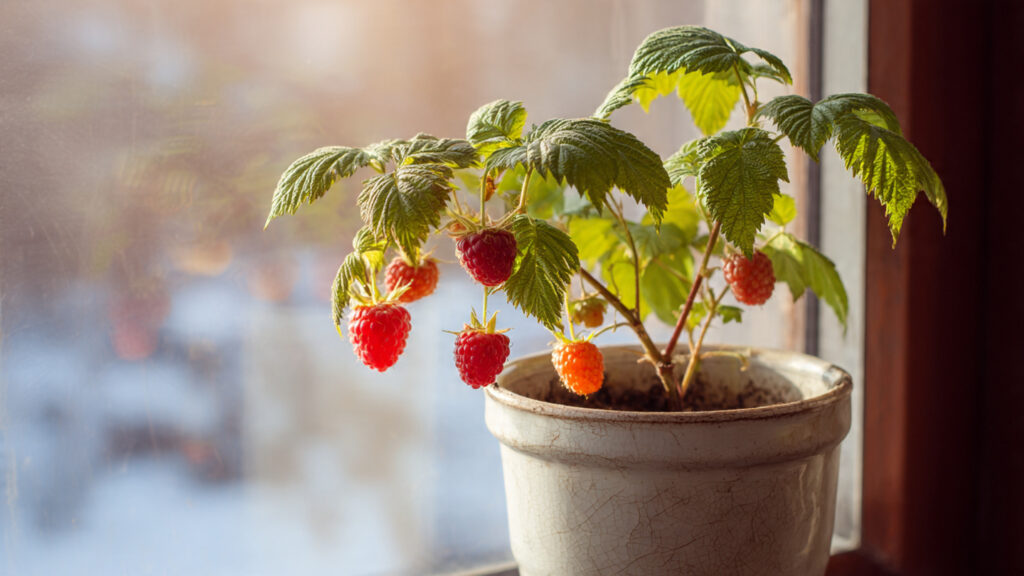
Raspberry plants are not only delicious but also bring a touch of greenery and vibrancy to your home. While most gardeners associate raspberries with outdoor gardens, it’s entirely possible to grow and maintain raspberry plants indoors during the winter months. Indoor cultivation allows you to enjoy fresh berries year-round and protect your plants from harsh winter conditions. However, raspberry care indoors requires careful attention to light, temperature, watering, and pruning to ensure healthy growth and fruit production.
Choosing the Right Raspberry Variety for Indoor Growth
The first step in successful indoor raspberry cultivation is selecting the right variety. While summer-bearing raspberries thrive outdoors, certain everbearing or day-neutral varieties are better suited for indoor growth. These varieties can produce fruit continuously throughout the growing season, making them ideal for controlled indoor environments.
Popular choices for indoor growing include ‘Autumn Bliss’, ‘Heritage’, and ‘Fall Gold’. These cultivars are compact, making them easier to manage in pots, and they adapt well to indoor conditions. Choosing a disease-resistant variety will also reduce the likelihood of problems like powdery mildew or root rot during the winter months.
Selecting the Right Container
Proper container selection is crucial for indoor raspberry care. Raspberry plants have deep, fibrous root systems, so a deep pot is essential. A container that is at least 12 inches deep and wide will allow roots to grow freely. Ensure the pot has adequate drainage holes to prevent waterlogging, which can lead to root rot.
For optimal growth, use a high-quality potting mix rich in organic matter and nutrients. A mix of peat moss, perlite, and compost works well, as it provides both drainage and moisture retention. Adding slow-release fertilizer to the potting mix can also give your raspberry plant a steady nutrient supply throughout the winter.
Providing Adequate Light
One of the biggest challenges of growing raspberries indoors during winter is ensuring they receive enough light. Raspberry plants require 6 to 8 hours of direct light per day for optimal growth. Placing the plant near a south-facing window is ideal, but winter sunlight may not always be sufficient.
In such cases, supplemental grow lights can make a significant difference. Full-spectrum LED or fluorescent grow lights provide the energy necessary for photosynthesis and help maintain vibrant, healthy foliage. Keep the lights on for 12-14 hours a day to mimic natural daylight conditions, ensuring the plant continues to thrive even during the darkest months.
Temperature and Humidity Control
Raspberry plants prefer cool to moderate temperatures, ideally between 65°F and 75°F (18°C to 24°C) during the day and slightly cooler at night. Avoid placing the plant near heaters, radiators, or cold drafts, as extreme temperature fluctuations can stress the plant and reduce fruit production.
Indoor humidity can also be a challenge during winter when heaters dry out the air. Maintaining 40-60% humidity is ideal for raspberries. You can achieve this by using a humidifier, placing a shallow water tray near the plant, or misting the leaves lightly. Consistent humidity helps prevent leaf wilting and supports overall plant health.
Watering and Fertilization
Proper watering is crucial to prevent both under- and overwatering. Raspberry plants prefer evenly moist soil but should never sit in waterlogged conditions. Water when the top inch of soil feels dry to the touch, and ensure excess water drains freely from the pot.
Fertilization during the winter months should be reduced compared to the active growing season. A balanced, water-soluble fertilizer applied every 4-6 weeks is sufficient to support indoor growth without overloading the plant with nutrients. Over-fertilizing can cause excessive leaf growth at the expense of fruit production, so moderation is key.
Pruning and Maintenance
Pruning is essential for healthy indoor raspberry plants. During winter, remove any dead, diseased, or weak canes to encourage strong new growth. For everbearing varieties, prune the old fruiting canes after harvesting, leaving healthy young canes to produce fruit in the next cycle.
Regular maintenance also includes checking for pests and diseases. Common indoor pests include spider mites, aphids, and whiteflies. Inspect the plant weekly and treat infestations promptly with insecticidal soap or neem oil. Removing fallen leaves and debris from the soil surface can also help prevent fungal diseases.
Pollination for Indoor Plants
Raspberry plants grown indoors may require assistance with pollination since there is no natural wind or insects to transfer pollen. Gently shaking the canes or using a small fan can simulate natural pollination. Some gardeners use a soft brush to transfer pollen from one flower to another, ensuring proper fruit set. Adequate pollination is crucial for producing plump, juicy berries.
Supporting Growth with Trellises
Even indoors, raspberry plants benefit from support structures. Trellises, stakes, or cages help keep canes upright, improving air circulation and light penetration. Proper support also prevents canes from bending or breaking under the weight of the fruit. For indoor setups, small, compact trellises or vertical supports can maximize space while maintaining an organized appearance.
➡️ How to Grow Malabar Spinach from Cuttings for Fast, Easy Greens
➡️ How to Grow Super Delicious Cabbage at Home Without a Garden
➡️ How to Grow Bean Sprouts at Home in Plastic Bottles Easily (Step‑by‑Step Guide)
➡️ Why is Your Lemon Tree Blooming in the Heart of Winter?
➡️ Why Should Your Garden Have a Dedicated Pollinator Highway?
➡️ Why Do Your Fruit Trees Need a Winter Wash to Thrive in Spring?
➡️ How Can Rice Water Transform Your Fruits into Sweeter Delights?
➡️ Jumpstart Your Winter Garden: Seed Starting Under Lights
Harvesting and Enjoying Your Indoor Berries
Indoor raspberry plants can produce sweet, ripe berries throughout the winter if cared for properly. Harvest berries when they are fully colored, slightly soft, and easily detach from the cane. Regular harvesting encourages continuous fruit production and prevents overripening.
Once harvested, berries can be enjoyed fresh, frozen for later use, or incorporated into desserts, smoothies, and preserves. Indoor raspberries are often more flavorful than store-bought varieties since they are picked at peak ripeness.
Troubleshooting Common Indoor Challenges
Growing raspberries indoors during winter may present unique challenges. Leggy growth, yellowing leaves, or poor fruiting often indicate insufficient light or improper watering. Adjust lighting, watering schedules, and nutrient levels to address these issues.
If the plant is not producing fruit, it may be stressed from environmental changes. Ensuring stable temperature, humidity, and light conditions can help restore vigor and fruiting capacity. Patience is key—indoor raspberries may take some time to fully adjust to winter conditions.
Benefits of Indoor Raspberry Cultivation
Growing raspberries indoors during winter offers multiple benefits. You can enjoy fresh, pesticide-free berries year-round, control the growing environment, and even use raspberry plants as decorative elements in your home. Indoor cultivation also protects plants from harsh winter weather, wildlife, and outdoor pests, making it a practical solution for gardeners in colder climates.
Final Thoughts
Caring for raspberry plants indoors during the winter months is both rewarding and feasible with the right approach. By selecting suitable varieties, providing adequate light, controlling temperature and humidity, and maintaining proper watering and pruning routines, you can enjoy healthy plants and delicious fruit all season long.
Indoor raspberry cultivation allows gardeners to extend the growing season, experiment with varieties, and enjoy the satisfaction of homegrown berries, even when outdoor conditions are unfavorable. With patience and attention to detail, your indoor raspberry plants can thrive, bringing both beauty and bounty to your home throughout the winter months.