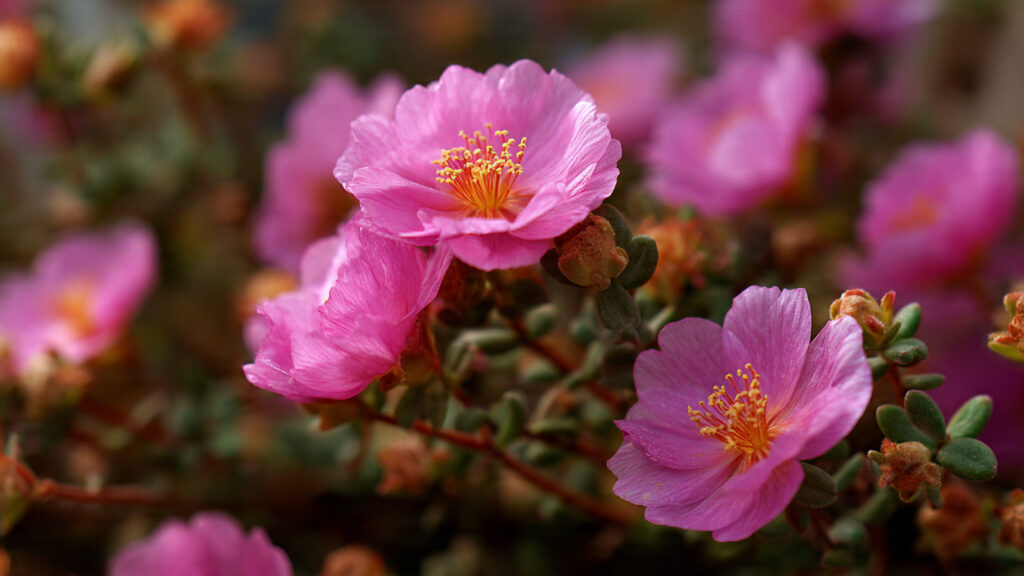
If you are looking for a low-maintenance, vibrant, and heat-loving flowering plant that thrives even in tough conditions, Portulaca moss type flowers are an excellent choice. Commonly known as moss rose, these cheerful blooms can transform dull garden beds, borders, rock gardens, and containers into a carpet of bright color. With their succulent-like foliage and dazzling blooms in shades of pink, yellow, orange, red, and white, they are perfect for gardeners who want maximum beauty with minimal effort.
In this comprehensive guide, you will learn everything you need to know about successfully cultivating Portulaca moss type flowers in your garden—from choosing the right location to ensuring continuous blooms throughout the growing season.
Understanding Portulaca Moss Type Flowers
Portulaca moss type flowers belong to the species Portulaca grandiflora, a popular ornamental plant valued for its vibrant blooms and drought tolerance. Native to South America, this plant thrives in warm climates and sunny conditions.
These flowers are often called “moss rose” because of their needle-like succulent leaves that resemble moss. The plant grows low to the ground, typically reaching only 4 to 8 inches in height, while spreading up to 12 inches wide. Its trailing growth habit makes it ideal for edging pathways, filling gaps in rock gardens, and cascading from containers.
Why Choose Portulaca for Your Garden?
There are several reasons why Portulaca moss type flowers are beloved by gardeners:
- Heat and Drought Tolerance – These plants thrive in hot, dry conditions where many other flowers struggle.
- Low Maintenance – Once established, they require very little care.
- Long Blooming Season – They bloom from late spring until the first frost.
- Budget-Friendly – Easy to grow from seeds, making them economical.
- Pollinator-Friendly – Bees and butterflies are attracted to their bright flowers.
If you live in a region with intense summer heat, Portulaca is one of the best flowering options for reliable color.
Choosing the Right Location
Success with Portulaca begins with selecting the proper planting location.
1. Full Sun is Essential
Portulaca thrives in full sun and requires at least 6–8 hours of direct sunlight daily. In fact, the flowers open fully in bright sunlight and may close during cloudy weather or at night.
Avoid planting them in shady areas, as insufficient light will result in poor flowering and leggy growth.
2. Well-Drained Soil
Drainage is critical. Portulaca is highly susceptible to root rot if planted in heavy, waterlogged soil. Sandy or rocky soils are ideal. If your soil retains too much moisture, amend it with coarse sand or perlite to improve drainage.
Raised beds and containers also work exceptionally well for these flowers.
How to Grow Portulaca from Seeds
Growing Portulaca from seed is simple and cost-effective.
Step 1: Start Indoors or Direct Sow
- In warmer climates, seeds can be directly sown into the garden after the last frost.
- In cooler climates, start seeds indoors 6–8 weeks before the last frost date.
Step 2: Lightly Press Seeds
Portulaca seeds are tiny and need light to germinate. Scatter them on the soil surface and gently press them down without covering them completely.
Step 3: Keep Soil Slightly Moist
Maintain light moisture until germination, which usually occurs within 7–14 days.
Step 4: Thin Seedlings
Once seedlings develop a few true leaves, thin them to allow about 6–8 inches of spacing for proper airflow and spreading.
➡️ How to Grow Malabar Spinach from Cuttings for Fast, Easy Greens
➡️ How to Grow Super Delicious Cabbage at Home Without a Garden
➡️ How to Grow Bean Sprouts at Home in Plastic Bottles Easily (Step‑by‑Step Guide)
➡️ Why is Your Lemon Tree Blooming in the Heart of Winter?
➡️ Why Should Your Garden Have a Dedicated Pollinator Highway?
➡️ Why Do Your Fruit Trees Need a Winter Wash to Thrive in Spring?
➡️ How Can Rice Water Transform Your Fruits into Sweeter Delights?
➡️ Jumpstart Your Winter Garden: Seed Starting Under Lights
Watering Requirements
One of the biggest mistakes gardeners make is overwatering Portulaca.
Because it is a succulent-type plant, it stores water in its fleshy leaves and stems. Here’s how to water properly:
- Water deeply but infrequently.
- Allow the soil to dry out between watering.
- Reduce watering during rainy periods.
If the leaves begin to look soft and yellow, you may be overwatering.
Fertilizing for Healthy Growth
Portulaca does not require heavy feeding. In fact, too much fertilizer can reduce blooming and encourage excessive leafy growth.
- Use a balanced, diluted fertilizer once a month during the growing season.
- Avoid high-nitrogen fertilizers.
In many cases, especially in moderately fertile soil, no fertilizer is needed at all.
Encouraging Continuous Blooms
Portulaca naturally produces abundant flowers, but you can enhance blooming with a few simple practices:
1. Deadheading (Optional)
Some varieties are self-cleaning and drop spent blooms naturally. However, removing faded flowers can encourage additional blooms and keep plants looking tidy.
2. Proper Sun Exposure
Insufficient sunlight is the most common cause of poor flowering.
3. Avoid Overfeeding
Excess nitrogen leads to foliage growth rather than flowers.
With proper care, you can enjoy nonstop blooms from late spring through early autumn.
Growing Portulaca in Containers
Portulaca moss type flowers perform beautifully in pots and hanging baskets.
Container Tips:
- Use containers with drainage holes.
- Choose a lightweight, well-draining potting mix.
- Place containers in full sun.
- Avoid saucers that hold excess water.
Their trailing growth habit makes them ideal for spilling over edges, creating a stunning cascading effect.
Propagation Through Cuttings
In addition to seeds, Portulaca can be propagated through stem cuttings.
- Cut a healthy 3–4 inch stem.
- Remove lower leaves.
- Allow the cut end to dry for a few hours.
- Plant in well-drained soil.
- Water lightly.
Roots typically develop within 1–2 weeks. This method is quick and ensures identical plants to the parent.
Common Problems and Solutions
Although Portulaca is hardy, a few issues may arise:
1. Root Rot
Cause: Overwatering or poor drainage.
Solution: Improve drainage and reduce watering frequency.
2. Aphids
Cause: Small insects feeding on new growth.
Solution: Spray with water or use mild insecticidal soap.
3. Leggy Growth
Cause: Lack of sunlight.
Solution: Move plants to a sunnier location.
Fortunately, serious pest and disease problems are rare.
Seasonal Care and Maintenance
During Summer
- Water sparingly.
- Remove damaged stems.
- Ensure plants receive full sun.
Before Frost
Portulaca is typically grown as an annual in cooler climates. Once frost arrives, plants usually decline.
However, you can:
- Collect seeds for next season.
- Take cuttings to grow indoors in bright light.
- Allow self-seeding in warm climates.
In tropical or frost-free regions, Portulaca may behave as a short-lived perennial.
Designing with Portulaca
These flowers are incredibly versatile in garden design:
- Rock gardens
- Edging pathways
- Filling gaps between stepping stones
- Hanging baskets
- Balcony containers
- Dry, sunny slopes
Because of their bright, jewel-toned colors, they pair beautifully with ornamental grasses and drought-tolerant plants.
Final Tips for Success
To summarize, here are the key factors for successfully cultivating Portulaca moss type flowers:
- Plant in full sun.
- Ensure excellent drainage.
- Avoid overwatering.
- Use minimal fertilizer.
- Provide adequate spacing.
With these simple practices, you can enjoy a vibrant carpet of blooms all season long.
Conclusion
Portulaca moss type flowers are one of the easiest and most rewarding plants to grow in sunny gardens. Their resilience to heat and drought makes them perfect for beginner gardeners and experienced landscapers alike. Whether planted in garden beds, containers, or rock gardens, these cheerful blooms provide months of color with minimal care.
By following proper planting, watering, and maintenance techniques, you can cultivate a thriving display of Portulaca that brightens your garden throughout the growing season. With just a little attention and the right conditions, your garden can be filled with the dazzling charm of moss rose flowers year after year.