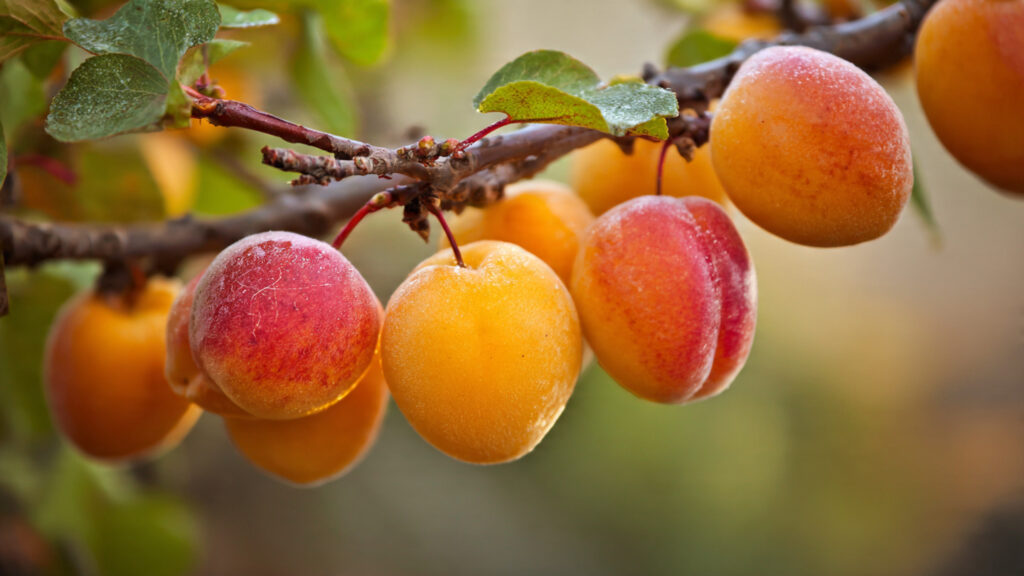
Growing apricots at home is a dream for many gardeners. The sweet, juicy fruit, combined with the satisfaction of harvesting from your own backyard, makes it a rewarding endeavor. However, apricot trees are often sensitive to frost, which can damage blossoms and reduce fruit yield. The good news is that with careful planning, the right variety, and proper care, you can successfully grow a frost-resistant apricot tree and enjoy delicious fruit year-round.
Why Choose a Frost Resistant Apricot Tree?
Traditional apricot trees can be vulnerable to late spring frosts, which can destroy delicate blossoms and ruin an entire season’s harvest. Choosing a frost-resistant variety ensures that:
- Blossoms survive unexpected cold snaps.
- Fruit production is more consistent.
- The tree is hardier and easier to care for in regions with variable temperatures.
Some popular frost-resistant varieties include Goldcot, Harcot, and Tilton, which can withstand temperatures as low as -15°C during dormancy.
Selecting the Right Location
The location of your apricot tree is critical for both frost protection and overall growth. Consider the following:
1. Sunlight
Apricot trees thrive in full sun, requiring at least 6–8 hours of direct sunlight daily. Adequate sunlight ensures proper fruit development and sweetness.
2. Soil Quality
Apricots prefer well-draining, loamy soil. Avoid areas where water tends to collect, as apricots are susceptible to root rot in soggy conditions. A slightly acidic to neutral pH (6.0–7.0) is ideal.
3. Frost Protection
Plant your tree in a location that naturally protects it from frost pockets. For example:
- Slightly elevated spots on your property.
- Areas with good air circulation to prevent cold air from settling.
- Near south-facing walls, which can reflect sunlight and provide extra warmth.
Choosing the right location dramatically increases the chances of fruiting even in cooler climates.
Planting Your Apricot Tree
Successful planting is the first step to a thriving apricot tree.
1. Timing
The best time to plant frost-resistant apricot trees is during late winter or early spring, when the tree is dormant. Planting during dormancy reduces transplant shock and encourages strong root development.
2. Digging the Hole
- Dig a hole twice as wide and as deep as the root ball.
- Loosen the surrounding soil to allow roots to spread easily.
3. Planting
- Place the tree in the hole so the graft union (the swollen part near the base) is 2–3 inches above soil level.
- Backfill the hole with soil, gently pressing to remove air pockets.
- Water thoroughly to settle the soil around the roots.
Watering and Fertilization
Proper watering and fertilization are key to healthy growth.
1. Watering
- Apricot trees need deep, infrequent watering.
- Young trees require more frequent watering, about once or twice a week, depending on rainfall.
- Mature trees benefit from deep watering once every 10–14 days during dry periods.
Avoid overwatering, as this can lead to root rot and fungal diseases.
2. Fertilization
- Apply a balanced, slow-release fertilizer in early spring before buds break.
- Additional fertilization can be done in early summer to support fruit growth.
- Avoid excessive nitrogen, which promotes leafy growth at the expense of flowers and fruit.
Regular soil testing helps determine nutrient needs and ensures your tree gets exactly what it requires.
Pruning for Frost Resistance and Productivity
Pruning is an essential practice for frost-resistant apricot trees. Proper pruning encourages air circulation, sunlight penetration, and healthy fruiting.
- Winter Pruning: Remove dead, damaged, or diseased branches during dormancy. Thin out crowded branches to prevent frost pockets.
- Summer Pruning: Lightly prune after fruiting to shape the tree and remove excessive growth.
Maintaining an open canopy not only improves fruit quality but also reduces the risk of frost damage in spring by allowing cold air to circulate instead of settling.
➡️ How to Grow Malabar Spinach from Cuttings for Fast, Easy Greens
➡️ How to Grow Super Delicious Cabbage at Home Without a Garden
➡️ How to Grow Bean Sprouts at Home in Plastic Bottles Easily (Step‑by‑Step Guide)
➡️ Why is Your Lemon Tree Blooming in the Heart of Winter?
➡️ Why Should Your Garden Have a Dedicated Pollinator Highway?
➡️ Why Do Your Fruit Trees Need a Winter Wash to Thrive in Spring?
➡️ How Can Rice Water Transform Your Fruits into Sweeter Delights?
➡️ Jumpstart Your Winter Garden: Seed Starting Under Lights
Protecting Blossoms from Frost
Even frost-resistant apricot trees may need some protection during extreme cold snaps. Strategies include:
- Covering with frost cloths: Lightweight frost cloths or sheets can protect blossoms overnight.
- Using mulch: A 3–4 inch layer of organic mulch around the base helps insulate roots and maintain soil warmth.
- Watering before frost: Moist soil retains heat better than dry soil, helping to buffer against sudden temperature drops.
- Windbreaks: Planting or installing barriers on the cold side of your tree can reduce frost exposure.
These simple precautions significantly improve the chances of fruit setting even in late frosts.
Pollination and Fruit Set
Most apricot varieties are self-pollinating, but cross-pollination with another compatible variety can improve yield and fruit size. Ensure you:
- Plant two varieties with overlapping bloom periods if possible.
- Encourage pollinators by planting flowers nearby and avoiding pesticides during bloom.
- Hand-pollinate flowers with a soft brush if natural pollination is limited.
Healthy pollination ensures that you’ll enjoy a bountiful harvest of juicy apricots.
Harvesting Apricots
Apricots generally ripen in late spring to early summer, depending on your climate and variety. Signs of ripeness include:
- Fruit turning fully orange or yellow with a slight red blush.
- Slight softness when gently squeezed.
- Sweet aroma near the stem.
Harvest carefully by hand to avoid bruising. Pick fruits daily as they ripen to prevent over-ripening and attract birds or pests.
Common Pests and Diseases
Even frost-resistant apricot trees can be affected by pests and diseases. Key threats include:
- Aphids and scale insects: Spray with neem oil or insecticidal soap.
- Brown rot: Caused by fungi, affects blossoms and fruit. Remove infected parts promptly.
- Bacterial canker: Prune affected branches and apply protective sprays in dormant season.
Regular monitoring and early intervention keep your tree healthy and productive year after year.
Year-Round Benefits
By growing a frost-resistant apricot tree, you can enjoy:
- Fresh, backyard-grown fruit that’s free from chemicals.
- Aesthetically pleasing tree that blossoms in spring, adding beauty to your garden.
- Consistent fruit production, even in regions with late frosts.
With proper care, your apricot tree can thrive for decades, providing delicious fruit season after season.
Tips for Maximizing Fruit Yield
- Choose the right variety: Frost-resistant and locally adapted varieties produce the best results.
- Plant in optimal soil and sunlight: Healthy roots and sun exposure lead to larger, sweeter fruit.
- Prune strategically: Open canopies and removed deadwood reduce frost damage and improve air circulation.
- Monitor watering and fertilization: Balanced nutrition supports strong growth without compromising fruiting.
- Protect blossoms during frost: Simple measures like frost cloths and mulch enhance survival of delicate buds.
Following these strategies ensures your backyard apricot tree remains a productive and rewarding addition to your garden.
Final Thoughts
Growing a frost-resistant apricot tree in your backyard is not only possible but also incredibly satisfying. By selecting the right variety, preparing soil carefully, planting in an optimal location, and following proper care routines, you can enjoy juicy, delicious apricots year-round, even in climates with cold snaps.
Patience, attention to detail, and seasonal care are the keys to success. In return, you’ll be rewarded with abundant fruit, a vibrant backyard, and the joy of harvesting fresh apricots from your very own garden. With dedication and a little planning, growing a frost-resistant apricot tree can become a year-round source of natural sweetness and pride.