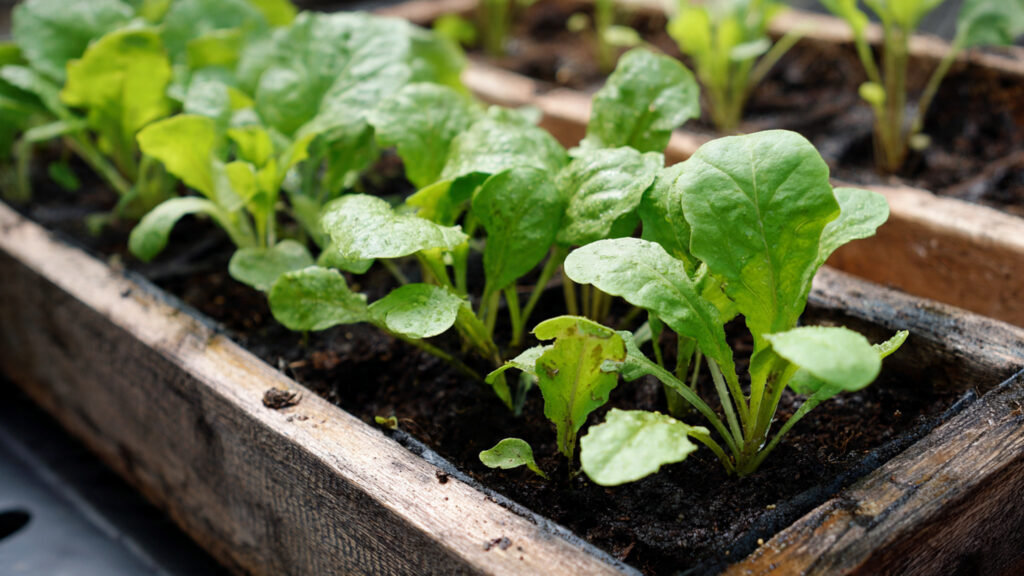
Arugula (Eruca sativa), also known as rocket, is a fast-growing, peppery green that adds flavor, nutrition, and visual appeal to salads, sandwiches, and a variety of dishes. Its compact size, quick growth cycle, and adaptability make it ideal for container gardening, allowing gardeners to enjoy fresh arugula year-round, even in limited spaces such as balconies, patios, or small urban gardens.
Growing arugula in containers is not only practical but also rewarding, offering a steady supply of fresh greens with minimal effort. This guide covers everything from selecting containers and soil, to planting, care, harvesting, and tips for continuous production.
Why Container Gardening for Arugula Works
Container gardening offers several advantages over traditional in-ground planting:
- Space efficiency – Ideal for apartments, patios, or urban environments.
- Soil control – Enables optimal soil composition, drainage, and fertility.
- Pest and disease management – Easier to monitor and control problems in a confined space.
- Extended growing season – Containers can be moved indoors, to greenhouses, or shaded areas depending on the season.
By growing arugula in containers, you gain flexibility and a consistent supply of fresh greens.
Selecting the Right Containers
The choice of container influences root development, growth rate, and overall plant health:
- Depth: Arugula has a shallow root system. Containers with a depth of 6–8 inches are sufficient, though deeper containers allow larger, more robust plants.
- Width: Wider containers enable multiple plants to grow together, facilitating successive harvests. A 12-inch diameter pot can accommodate 6–8 plants comfortably.
- Drainage: Ensure containers have drainage holes to prevent waterlogging, which can lead to root rot.
- Material: Terracotta, plastic, ceramic, or wooden containers all work. Terracotta offers breathability, while plastic retains moisture longer.
Proper container selection lays the foundation for a productive arugula crop.
Choosing the Right Soil Mix
Arugula thrives in nutrient-rich, well-draining soil.
- Use a high-quality potting mix, preferably with organic matter like compost or aged manure.
- Incorporate perlite or vermiculite to improve aeration and drainage.
- Maintain slightly acidic to neutral soil pH, ideally 6.0–7.0, for optimal nutrient uptake.
- Avoid heavy clay or garden soil that may compact and restrict root growth.
Healthy soil ensures rapid growth, vibrant leaves, and consistent yields.
Planting Arugula in Containers
Arugula can be grown from seeds or transplants, though seeds are most common:
1. Sowing Seeds
- Fill containers with moistened potting mix.
- Scatter seeds evenly across the surface or sow ¼ inch deep, covering lightly with soil.
- Space seeds about 1 inch apart; later thinning ensures room for growth.
2. Germination
- Keep soil consistently moist but not waterlogged.
- Germination typically occurs within 5–10 days at temperatures of 55–75°F (13–24°C).
3. Thinning
- Once seedlings reach 2 inches tall, thin to 4–6 inches apart for optimal leaf development.
- Carefully snip unwanted seedlings at the soil line to avoid disturbing roots of remaining plants.
Light and Temperature Requirements
Arugula is a cool-season crop, but containers allow you to manage light and temperature effectively:
- Sunlight: Requires 4–6 hours of direct sunlight daily. Partial shade in hotter months prevents bolting (premature flowering).
- Temperature: Optimal growth occurs between 45–65°F (7–18°C).
- Indoor growth: In colder months, place containers near sunny windows or under LED grow lights for 12–16 hours daily.
- Heat management: In hot weather, move containers to shaded areas to prolong leaf production.
Proper light and temperature management reduce stress, prevent bitterness, and encourage continuous growth.
Watering for Container Arugula
Arugula prefers consistent moisture, but overwatering can harm the plant:
- Water when the top inch of soil feels dry.
- Ensure water drains freely from the container to prevent root rot.
- Use a watering can or drip system to avoid dislodging seeds or seedlings.
- Mulching the soil surface with straw or shredded leaves helps retain moisture and reduces temperature fluctuations.
Consistent hydration promotes tender, flavorful leaves while preventing stress-induced bolting.
Fertilization and Nutrition
Containers have limited soil nutrients, so fertilization is essential:
- Use a balanced, water-soluble fertilizer every 2–3 weeks.
- Organic options like compost tea, fish emulsion, or liquid seaweed support steady growth.
- Avoid over-fertilizing, which can lead to excessive leaf growth with reduced flavor.
Nutrient management ensures leaves remain lush, green, and packed with flavor.
➡️ How to Grow Malabar Spinach from Cuttings for Fast, Easy Greens
➡️ How to Grow Super Delicious Cabbage at Home Without a Garden
➡️ How to Grow Bean Sprouts at Home in Plastic Bottles Easily (Step‑by‑Step Guide)
➡️ Why is Your Lemon Tree Blooming in the Heart of Winter?
➡️ Why Should Your Garden Have a Dedicated Pollinator Highway?
➡️ Why Do Your Fruit Trees Need a Winter Wash to Thrive in Spring?
➡️ How Can Rice Water Transform Your Fruits into Sweeter Delights?
➡️ Jumpstart Your Winter Garden: Seed Starting Under Lights
Controlling Pests and Diseases
Container arugula is susceptible to common pests and diseases, but these are manageable with proactive care:
- Aphids: Small green insects that cluster on young leaves. Treat with insecticidal soap or neem oil.
- Flea beetles: Tiny beetles that create holes in leaves. Use floating row covers or sticky traps.
- Downy mildew: Fungal disease triggered by poor airflow. Space plants adequately and avoid overhead watering.
- Slugs and snails: Barrier methods or organic slug pellets prevent damage.
Regular inspection and timely action maintain healthy, productive plants.
Succession Planting for Year-Round Supply
Container gardening allows staggered planting to ensure continuous harvests:
- Sow seeds every 2–3 weeks for fresh arugula throughout the year.
- Rotate containers or move older plants to harvest leaves selectively.
- Remove spent plants promptly and refresh soil for the next sowing.
Succession planting guarantees a steady supply of tender, peppery greens year-round.
Harvesting Arugula
Arugula is ready to harvest quickly, often within 3–4 weeks of sowing:
- Pick outer leaves first, leaving central leaves to continue growing.
- Use scissors to snip leaves at the base to avoid damaging the plant.
- For baby leaves, harvest when leaves are 2–3 inches long for delicate, mild flavor.
- For mature leaves, wait until 4–6 inches, but be aware that older leaves may taste more bitter.
Regular harvesting encourages new growth and prolongs productivity.
Overwintering Container Arugula
In colder climates, containers allow gardeners to overwinter arugula indoors:
- Move containers to a sunny indoor location with at least 6 hours of light daily.
- Reduce watering frequency to prevent fungal issues.
- Maintain temperatures above 45°F (7°C) to prevent frost damage.
With proper care, arugula can provide fresh greens even during the winter months.
Creative Uses for Container Arugula
Beyond salads, container-grown arugula can be used in multiple culinary and aesthetic ways:
- Garnish pizzas, pastas, and sandwiches.
- Add to smoothies for a peppery kick.
- Use as a fresh herb in herb gardens for visual and culinary appeal.
- Containers can double as decorative elements with colorful leaves and flowers (arugula occasionally blooms small yellow flowers if left to mature).
This versatility makes arugula both functional and ornamental in container gardens.
Conclusion
Growing arugula in containers is an accessible, rewarding practice that allows gardeners to enjoy fresh, flavorful greens year-round. By selecting the right containers, soil, and varieties, and providing proper light, water, nutrients, and pest management, even urban gardeners with limited space can cultivate thriving arugula plants.
Succession planting, regular harvesting, and occasional indoor overwintering ensure a continuous supply of fresh leaves, while the compact, manageable growth of arugula in containers makes it ideal for both beginner and experienced gardeners. With consistent care, container-grown arugula not only enhances culinary experiences but also adds green vibrancy and edible beauty to patios, balconies, and small gardens throughout the year.
Whether used for salads, garnishes, or fresh cooking ingredients, container-grown arugula is a practical, flavorful, and visually appealing addition to any home garden, providing nutrition, convenience, and aesthetic charm in every harvest.