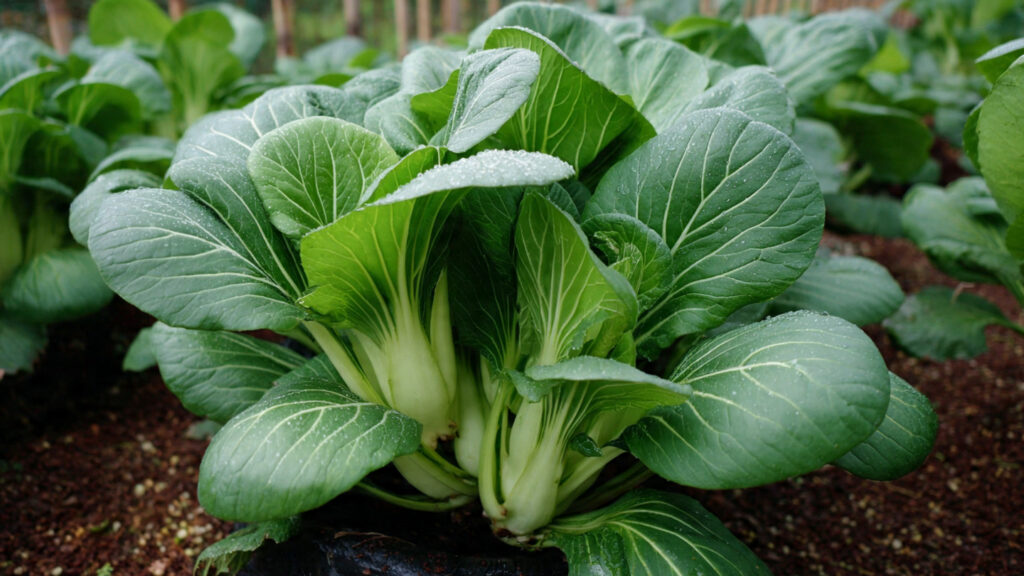
Bok choy, also known as pak choi or Chinese cabbage, is a versatile leafy green cherished for its crisp texture, mild flavor, and impressive nutritional profile. Rich in vitamins A, C, and K, as well as calcium and antioxidants, bok choy is a staple in Asian cuisine and an excellent addition to any healthy diet. While traditionally grown in garden beds, bok choy is perfectly suited for container gardening, allowing urban gardeners or those with limited space to enjoy fresh, homegrown greens year-round. With the right techniques, growing bok choy in pots can be straightforward, rewarding, and highly productive.
This guide reveals the best methods for growing bok choy in containers, covering everything from pot selection to watering, fertilization, pest management, and harvesting strategies.
Choosing the Right Bok Choy Variety for Pots
Bok choy comes in various sizes and types, and selecting the right variety is essential for container gardening. For pots, compact or mini varieties are ideal:
- Baby bok choy: Smaller in size, perfect for shallow pots and quick harvests.
- Taiwanese or Tatsoi varieties: These have a rosette shape and grow well in limited space.
- Standard bok choy: Can be grown in larger pots if you want full-sized heads.
Choosing compact varieties ensures your plants have enough space to grow and produce tender leaves without overcrowding the container.
Selecting the Perfect Container
The container you choose is a critical factor for success. Bok choy develops shallow roots but still needs room for growth and airflow:
- Size: A pot at least 8–12 inches deep is suitable for baby or compact varieties. Larger pots (12–16 inches) accommodate full-sized bok choy.
- Width: Each plant should have 6–8 inches of space to avoid crowding and promote healthy growth.
- Drainage: Ensure the pot has multiple drainage holes to prevent waterlogging, which can lead to root rot.
Containers made from plastic, ceramic, or terracotta work well, but plastic is lightweight and retains moisture better, which is beneficial for leafy greens like bok choy.
Choosing the Right Soil
Bok choy thrives in fertile, well-draining soil rich in organic matter. The ideal container mix should:
- Be lightweight and loose to allow roots to expand easily.
- Include organic compost or aged manure for nutrients.
- Maintain slightly acidic to neutral pH (6.0–7.0).
A recommended mix is 2 parts potting soil, 1 part compost, and 1 part perlite or coarse sand. This combination retains moisture without becoming soggy, provides aeration, and supports vigorous growth.
Optimal Light and Temperature Conditions
Bok choy prefers cool, moderate temperatures and is sensitive to heat, which can cause bolting (premature flowering):
- Sunlight: Provide 4–6 hours of direct sunlight per day. In hot climates, partial shade in the afternoon protects leaves from scorching.
- Temperature: Ideal growing temperatures range between 55–70°F (13–21°C). Container gardening allows you to move pots into cooler or shaded areas if necessary.
By controlling light exposure and temperature, your bok choy can grow tender, flavorful leaves without stressing the plant.
Planting Bok Choy in Pots
You can start bok choy from seeds or seedlings:
- Starting from seeds:
- Sow seeds ¼ inch deep directly into the container or in seed trays.
- Thin seedlings to 6–8 inches apart once they reach 2–3 inches tall.
- Transplanting seedlings:
- Choose healthy seedlings with 2–3 true leaves.
- Plant them at the same depth they were growing in the tray.
- Water immediately to reduce transplant shock.
Starting with seedlings may give a head start in cooler seasons, while sowing seeds directly in containers is cost-effective and simple.
Watering Practices for Container Bok Choy
Consistent moisture is crucial for bok choy, especially in pots where soil can dry quickly:
- Watering frequency: Check soil daily; water whenever the top inch feels dry. Typically, this is every 2–3 days depending on temperature.
- Watering method: Water at the base of the plant to keep leaves dry and reduce the risk of fungal diseases.
- Avoid overwatering: Pots with poor drainage can lead to soggy soil and root rot. Ensure water flows freely from drainage holes.
Using a self-watering container or adding a layer of mulch on top of the soil can help retain moisture in warmer weather.
Fertilization and Nutrient Management
Bok choy is a fast-growing leafy green, which means it requires regular feeding to maintain healthy leaves:
➡️ How to Grow Malabar Spinach from Cuttings for Fast, Easy Greens
➡️ How to Grow Super Delicious Cabbage at Home Without a Garden
➡️ How to Grow Bean Sprouts at Home in Plastic Bottles Easily (Step‑by‑Step Guide)
➡️ Why is Your Lemon Tree Blooming in the Heart of Winter?
➡️ Why Should Your Garden Have a Dedicated Pollinator Highway?
➡️ Why Do Your Fruit Trees Need a Winter Wash to Thrive in Spring?
➡️ How Can Rice Water Transform Your Fruits into Sweeter Delights?
➡️ Jumpstart Your Winter Garden: Seed Starting Under Lights
- Balanced fertilizer: Use a nitrogen-rich fertilizer to support leafy growth. An NPK ratio of 10-10-10 or 5-10-5 works well.
- Frequency: Feed every 2–3 weeks for continuous growth.
- Organic alternatives: Liquid seaweed, fish emulsion, or compost tea provide nutrients naturally and enhance soil health.
Regular feeding ensures your container-grown bok choy produces tender, lush leaves suitable for harvest.
Pest and Disease Control in Pots
Even in containers, bok choy can attract pests such as aphids, cabbage worms, and flea beetles. Diseases like downy mildew and leaf spot can also occur. Effective prevention includes:
- Inspection: Check leaves regularly for holes, discoloration, or pests.
- Physical barriers: Use row covers or mesh to prevent insects from reaching your plants.
- Organic pesticides: Neem oil or insecticidal soap can control infestations without harming your plants.
- Air circulation: Ensure pots are spaced to allow airflow and reduce fungal growth.
By staying vigilant, you can keep your container bok choy healthy and productive.
Succession Planting for Continuous Harvest
One of the joys of growing bok choy in pots is the ability to stagger planting for a continuous harvest:
- Plant every 2–3 weeks: This ensures a constant supply of fresh greens.
- Rotate containers: Move mature plants to the side and introduce new seedlings in their place.
- Harvest selectively: Baby leaves can be picked early for salads, while mature leaves are harvested when the heads are fully formed.
Succession planting maximizes your container space and keeps your kitchen stocked with fresh bok choy all season.
Harvesting Bok Choy
Harvesting is simple, but timing is key:
- Baby leaves: Harvest when leaves reach 4–6 inches for tender, mild flavor.
- Full-sized heads: Wait until the plant reaches 10–12 inches tall. Cut the whole plant at the base or harvest outer leaves individually.
- Avoid overmature leaves: Older leaves can become bitter and less appealing.
Prompt harvesting encourages new growth and prolongs your plant’s productivity in the pot.
Tips for Thriving Container Bok Choy
To ensure your bok choy grows successfully in pots:
- Rotate pots regularly: Ensure all sides receive adequate sunlight.
- Prune damaged leaves: Prevent disease and maintain healthy growth.
- Use quality seeds: High-quality, disease-resistant seeds improve success rates.
- Maintain soil fertility: Refresh soil with compost or nutrient amendments between planting cycles.
With these simple tips, your container-grown bok choy will thrive season after season.
Conclusion
Growing bok choy in pots is an excellent way to enjoy fresh, nutritious greens, even if you have limited garden space. By choosing compact varieties, selecting the right container and soil, providing consistent water and nutrients, and protecting against pests, you can cultivate healthy, flavorful bok choy all year long. Container gardening also allows flexibility—pots can be moved to optimize light, temperature, and protection, giving you a thriving crop in any environment.
With the methods unveiled here, you can confidently grow bok choy in pots, create a continuous harvest, and experience the satisfaction of homegrown leafy greens at your fingertips. Fresh, crisp, and nutrient-packed bok choy is just a container away, ready to enhance your meals and elevate your backyard gardening experience.