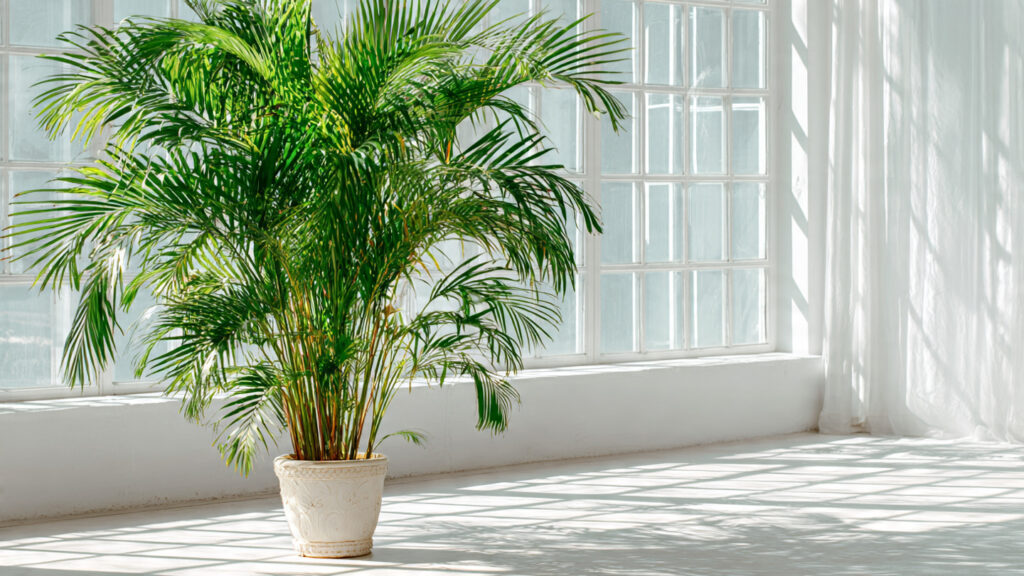
Bringing a touch of the tropics into your home is easier than you might think. With its soft, feathery fronds and graceful growth habit, the Cat Palm is one of the best plants for creating a lush, green indoor sanctuary. Unlike some palms that grow tall and leggy, this variety stays compact and bushy, making it ideal for living rooms, bedrooms, and office spaces.
In this comprehensive guide, you’ll learn everything you need to know about successfully growing Cat Palm indoors—from choosing the right location to watering, fertilizing, and troubleshooting common problems.
Understanding the Cat Palm
The Cat Palm, scientifically known as Chamaedorea cataractarum, is a tropical palm native to southern Mexico and Central America. Unlike many palms that develop a single trunk, this species grows in clumps, producing multiple stems from the base. The result is a full, dense appearance that resembles a natural indoor jungle.
Because it thrives in warm, humid environments and adapts well to indirect light, it has become a popular houseplant in homes around the world. It’s also non-toxic to pets, making it a safe choice for households with cats and dogs.
Why Choose a Cat Palm for Indoor Spaces?
Cat Palms are loved for several reasons:
• They provide a soft, tropical aesthetic
• They help improve indoor air quality
• They remain manageable in size
• They tolerate indoor lighting conditions better than many other palm species
Unlike larger palms such as the Areca palm, Cat Palms maintain a denser and more compact shape, which makes them easier to manage indoors.
Choosing the Right Location
Light Requirements
One of the most important factors in successfully growing a Cat Palm indoors is providing the correct lighting. These palms prefer bright, indirect light. A spot near an east- or north-facing window is ideal. They can tolerate moderate light but may grow more slowly in dim conditions.
Avoid placing your plant in direct sunlight, especially harsh afternoon sun, as it can scorch the delicate fronds. If the leaves begin turning pale or developing brown patches, excessive light could be the cause.
Temperature and Humidity
Cat Palms thrive in temperatures between 65°F and 80°F (18°C to 27°C). Keep them away from cold drafts, air conditioners, and heating vents.
➡️ How to Grow Malabar Spinach from Cuttings for Fast, Easy Greens
➡️ How to Grow Super Delicious Cabbage at Home Without a Garden
➡️ How to Grow Bean Sprouts at Home in Plastic Bottles Easily (Step‑by‑Step Guide)
➡️ Why is Your Lemon Tree Blooming in the Heart of Winter?
➡️ Why Should Your Garden Have a Dedicated Pollinator Highway?
➡️ Why Do Your Fruit Trees Need a Winter Wash to Thrive in Spring?
➡️ How Can Rice Water Transform Your Fruits into Sweeter Delights?
➡️ Jumpstart Your Winter Garden: Seed Starting Under Lights
Because they are native to humid environments, they appreciate higher humidity levels. If your indoor air is dry, especially during winter, consider:
• Using a humidifier
• Placing a pebble tray filled with water beneath the pot
• Grouping plants together to create a micro-humid environment
Proper Potting and Soil
Choosing the Right Pot
Select a pot with good drainage holes. Cat Palms dislike sitting in waterlogged soil, which can quickly lead to root rot. A container that is only slightly larger than the root ball is best, as oversized pots can retain excess moisture.
Best Soil Mix
Use a well-draining, peat-based potting mix. You can enhance drainage by adding perlite or coarse sand. The goal is to create soil that retains some moisture but does not become soggy.
Repotting is usually needed every two to three years. When roots begin circling the pot or growing out of drainage holes, it’s time to move to a slightly larger container.
Watering the Right Way
Watering is often where indoor gardeners make mistakes.
Cat Palms prefer consistently moist soil, but not soaking wet conditions. Water thoroughly when the top inch of soil feels dry to the touch. Allow excess water to drain completely, and never let the pot sit in standing water.
Overwatering symptoms include:
• Yellowing leaves
• Mushy stems
• A sour smell from the soil
Underwatering symptoms include:
• Brown leaf tips
• Crispy fronds
• Drooping foliage
Consistency is key. Try to maintain a regular watering schedule, adjusting based on seasonal changes. Plants typically need less water in winter when growth slows.
Feeding and Fertilization
To maintain vibrant green foliage, feed your Cat Palm with a balanced, water-soluble fertilizer during the growing season (spring and summer). Fertilize once a month at half strength.
Avoid over-fertilizing, as salt buildup can damage roots and cause leaf tip burn. Flushing the soil with distilled water occasionally can help remove accumulated salts.
In fall and winter, reduce or stop fertilizing, as the plant’s growth naturally slows.
Pruning and Maintenance
Cat Palms require minimal pruning. Remove yellow or brown fronds at the base using clean, sharp scissors or pruning shears.
Do not trim healthy green leaves, as palms rely on their fronds for energy production. Unlike some plants, palms do not regenerate leaves from cut stems.
Dust can accumulate on indoor fronds, reducing their ability to photosynthesize. Gently wipe leaves with a damp cloth or give the plant a lukewarm shower occasionally to keep foliage clean.
Common Problems and Solutions
Brown Leaf Tips
This is one of the most common issues with Cat Palms. It is often caused by:
• Low humidity
• Inconsistent watering
• Salt buildup from fertilizer
Increase humidity and ensure consistent watering to resolve this issue.
Yellowing Leaves
If lower leaves turn yellow occasionally, this can be normal aging. However, widespread yellowing may indicate overwatering or poor drainage.
Check the soil and ensure the pot drains properly.
Pests
Indoor palms can attract pests such as spider mites, mealybugs, and scale insects. Signs include:
• Sticky residue on leaves
• Fine webbing
• White cotton-like clusters
Treat infestations promptly with insecticidal soap or neem oil, and isolate affected plants to prevent spreading.
Encouraging Healthy Growth
To keep your Cat Palm thriving:
• Rotate the plant every few weeks to encourage even growth
• Maintain stable indoor temperatures
• Provide adequate humidity
• Avoid frequent relocation, as sudden environmental changes can stress the plant
Patience is important. Cat Palms are moderate growers and will gradually become fuller over time with proper care.
Styling Your Space with Cat Palm
Cat Palms make stunning statement pieces in bright corners, near sofas, or in entryways. Their soft texture complements modern, minimalist interiors as well as bohemian and tropical décor styles.
Place your plant in a decorative basket or ceramic pot to elevate its aesthetic appeal. Pair it with other humidity-loving plants to create a layered indoor garden effect.
Long-Term Care and Expectations
With proper care, a Cat Palm can live for many years indoors. It may not grow as tall as outdoor specimens, but it will reward you with lush, arching fronds and a consistent tropical presence.
Remember that indoor plants adapt to your environment over time. Minor adjustments in light, water, and humidity can make a significant difference in overall health.
Final Thoughts
Successfully growing Cat Palm indoors is all about understanding its tropical roots and recreating those conditions within your home. By providing bright indirect light, consistent moisture, adequate humidity, and occasional feeding, you can enjoy a vibrant, lush plant that transforms your living space.
Whether you’re creating a calming retreat or simply adding a fresh green accent to your décor, the Cat Palm offers elegance, softness, and a touch of the tropics that few houseplants can match.