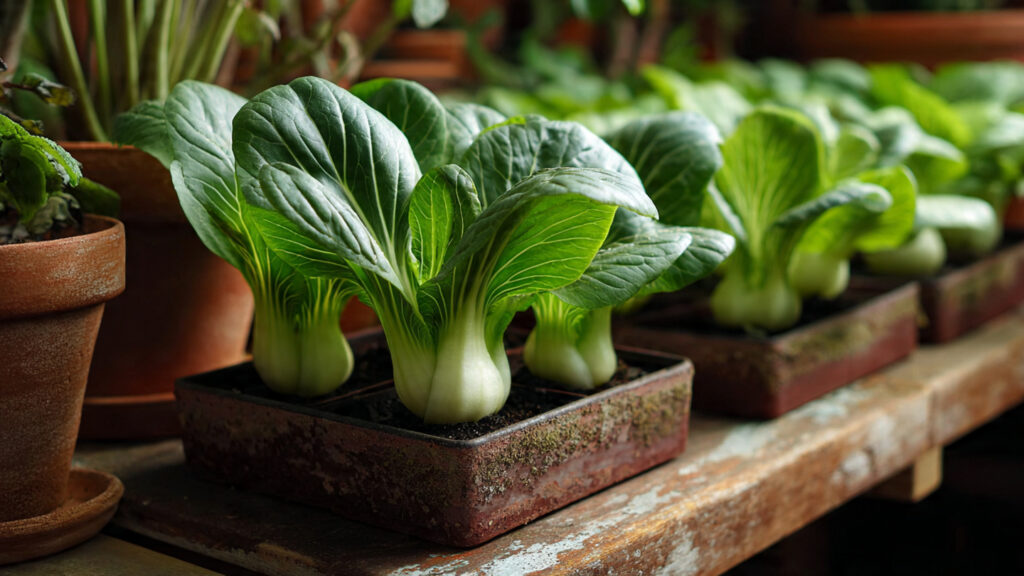
Bok choy (Brassica rapa subsp. chinensis), also known as pak choi or Chinese cabbage, is a fast-growing, nutrient-rich leafy green that is perfect for indoor gardening. Its crisp stems, tender leaves, and mild flavor make it a versatile addition to salads, stir-fries, and soups. While traditional gardening relies on outdoor conditions, growing dwarf bok choy indoors offers year-round access to fresh greens, even in apartments, small homes, or during colder months. With minimal space, simple equipment, and the right techniques, anyone can cultivate this delicious vegetable. This guide provides step-by-step instructions for successfully growing dwarf bok choy indoors, from seed to harvest.
Why Grow Dwarf Bok Choy Indoors?
Indoor cultivation of dwarf bok choy offers several advantages:
- Year-Round Freshness: Grow bok choy continuously regardless of the season.
- Space Efficiency: Dwarf varieties are compact, making them ideal for small containers or windowsills.
- Pest Control: Indoor growth reduces exposure to pests and diseases common in outdoor gardens.
- Nutritional Benefits: Freshly harvested leaves retain maximum vitamins, minerals, and antioxidants.
Indoor gardening also allows for controlled conditions, resulting in consistent growth and higher yields without the stress of unpredictable weather.
Step 1: Choosing the Right Dwarf Bok Choy Variety
Not all bok choy varieties are suitable for indoor growing. Dwarf varieties are ideal due to their compact size and fast growth:
- ‘Baby Bok Choy’ – Tender, small leaves perfect for quick harvests.
- ‘Shanghai Green’ – Compact, smooth leaves with a sweet flavor.
- ‘Joi Choi’ – Resistant to bolting, suitable for continuous harvests indoors.
Select varieties based on your available space, desired leaf size, and culinary preferences. Fast-growing dwarf types are ideal for beginners, providing multiple harvests in a short time.
Step 2: Selecting Containers and Soil
Dwarf bok choy has a shallow but spreading root system, so container choice is crucial:
- Container Size: Choose pots 6–8 inches deep with good drainage holes.
- Materials: Plastic, ceramic, or fabric pots all work, as long as drainage is sufficient.
- Soil Mix: Use light, well-draining potting soil enriched with compost for nutrients.
A recommended soil mix for indoor bok choy includes:
- 50% high-quality potting soil
- 30% compost or worm castings for fertility
- 20% perlite or coarse sand for aeration and drainage
The soil should remain slightly moist but never waterlogged.
Step 3: Sowing Seeds
Growing bok choy from seeds is simple and cost-effective. Follow these steps:
- Fill your containers with prepared soil and gently level the surface.
- Sow seeds ¼–½ inch deep, spacing them about 2–3 inches apart for dwarf varieties.
- Lightly cover seeds with a thin layer of soil or vermiculite.
- Mist gently to moisten the soil without displacing seeds.
Seeds typically germinate within 5–10 days under optimal conditions. Maintaining consistent moisture is key to successful germination.
Step 4: Providing Adequate Light
Indoor bok choy requires sufficient light for strong, healthy growth:
- Natural Light: Place containers near a south-facing window for 6–8 hours of light daily.
- Grow Lights: If sunlight is limited, use LED or fluorescent grow lights positioned 6–12 inches above the plants for 12–14 hours per day.
- Rotation: Rotate containers every few days to ensure even light exposure and prevent leggy growth.
Proper lighting helps maintain vibrant green leaves, sturdy stems, and rapid growth.
Step 5: Watering and Moisture Management
Consistent moisture is essential for indoor bok choy:
- Frequency: Water whenever the top inch of soil feels dry.
- Method: Use a spray bottle or gentle watering can to avoid soil disturbance.
- Humidity: Maintain moderate indoor humidity (40–60%) to prevent leaf wilting and promote healthy growth.
Avoid overwatering, as waterlogged soil can lead to root rot and fungal issues.
Step 6: Fertilizing for Fast Growth
Bok choy grows quickly and benefits from regular feeding:
➡️ How to Grow Malabar Spinach from Cuttings for Fast, Easy Greens
➡️ How to Grow Super Delicious Cabbage at Home Without a Garden
➡️ How to Grow Bean Sprouts at Home in Plastic Bottles Easily (Step‑by‑Step Guide)
➡️ Why is Your Lemon Tree Blooming in the Heart of Winter?
➡️ Why Should Your Garden Have a Dedicated Pollinator Highway?
➡️ Why Do Your Fruit Trees Need a Winter Wash to Thrive in Spring?
➡️ How Can Rice Water Transform Your Fruits into Sweeter Delights?
➡️ Jumpstart Your Winter Garden: Seed Starting Under Lights
- Balanced Fertilizers: Use a liquid fertilizer or water-soluble nutrient mix every 2–3 weeks.
- Organic Options: Compost tea or diluted fish emulsion provides natural nutrients without chemical buildup.
- Avoid Over-Fertilization: Excess nitrogen encourages leafy growth but can reduce flavor and plant vigor.
Proper fertilization ensures robust plants capable of continuous leaf production.
Step 7: Thinning Seedlings
After seedlings develop two or more true leaves, thin them to prevent overcrowding:
- Spacing: Maintain 4–6 inches between plants for dwarf varieties.
- Method: Snip weaker seedlings at the soil level to avoid disturbing remaining plants.
Thinning allows each plant to access sufficient nutrients, water, and light, promoting steady growth and preventing disease.
Step 8: Harvesting for Continuous Supply
The cut-and-come-again method works well for dwarf bok choy, allowing multiple harvests:
- Harvest outer leaves when they are 4–6 inches long.
- Leave the inner growing point intact for new growth.
- Use scissors or a sharp knife to make clean cuts above the base.
- Avoid removing more than one-third of the plant at a time to maintain vigor.
With proper care, each plant can produce leaves repeatedly over several weeks, providing a continuous harvest.
Step 9: Managing Bolting and Heat Stress
Bok choy tends to bolt (flower prematurely) under stress, particularly in high temperatures or long daylight hours:
- Cool Temperatures: Keep indoor temperature between 60–75°F (15–24°C).
- Shade or Relocation: If using grow lights, reduce intensity or duration during hot periods.
- Consistent Watering: Maintain even moisture to prevent stress-induced bolting.
Preventing bolting ensures tender leaves and prolonged productivity.
Step 10: Pest and Disease Control
Indoor bok choy is generally resistant to pests, but occasional issues can arise:
- Aphids: Remove manually or spray with mild insecticidal soap.
- Fungal Issues: Avoid overhead watering and ensure proper air circulation to reduce mold or mildew.
- Monitoring: Check leaves regularly for signs of stress or infestation.
Healthy plants respond better to harvesting and continue producing quality leaves.
Step 11: Successive Planting for Year-Round Harvest
For a continuous supply of fresh greens:
- Succession Planting: Sow new seeds every 2–3 weeks in separate containers.
- Staggered Harvest: Rotate containers to ensure a constant supply of leaves.
- Variety Mixing: Use different dwarf varieties for varying flavors, colors, and textures.
This method allows indoor gardeners to enjoy fresh bok choy year-round without gaps in harvests.
Step 12: Tips for Flavor and Quality
To maximize flavor and nutritional content:
- Harvest early in the day when leaves are crisp and hydrated.
- Maintain even watering to prevent bitterness.
- Avoid overcrowding to ensure tender, healthy leaves.
- Rotate container positions to receive uniform light exposure.
Consistent care produces vibrant, nutritious leaves perfect for salads, stir-fries, and soups.
Conclusion
Growing dwarf bok choy indoors is a practical and rewarding way to enjoy fresh, nutrient-packed greens throughout the year. By selecting the right variety, preparing containers and soil, providing sufficient light and moisture, and using cut-and-come-again harvesting techniques, gardeners can maintain a continuous supply of crisp, tender leaves.
Indoor cultivation eliminates many traditional challenges, such as pests, unpredictable weather, and limited outdoor space, allowing for controlled, consistent growth. Proper care—including fertilization, thinning, and bolting management—ensures plants remain productive and flavorful over multiple harvests.
With succession planting and careful attention to light, temperature, and watering, even beginners can achieve a thriving indoor bok choy garden. This method not only enhances home cooking but also provides a satisfying, sustainable way to grow fresh, healthy vegetables all year round.
Start growing dwarf bok choy indoors today, and enjoy the convenience, flavor, and nutrition of home-harvested greens whenever you need them.