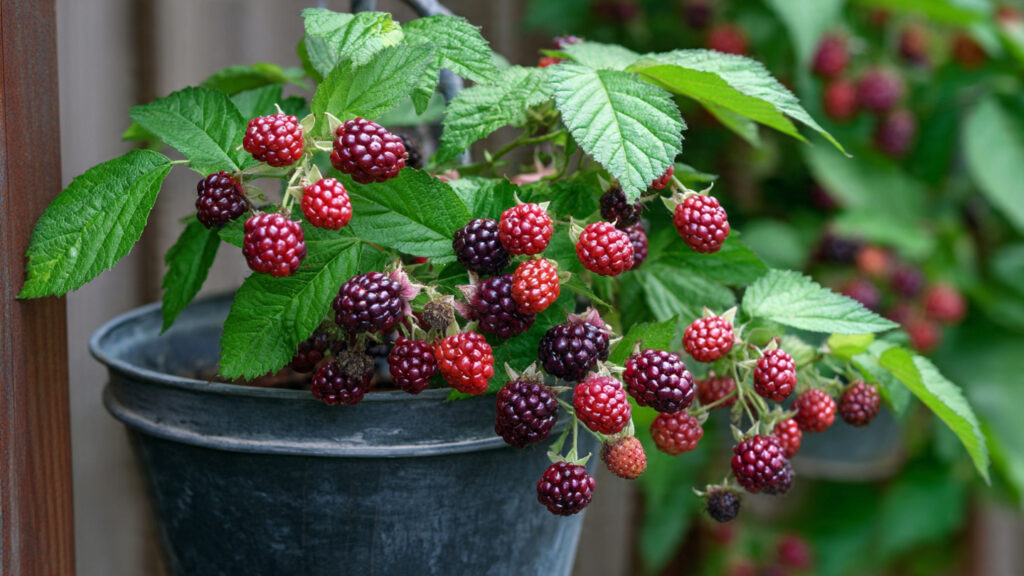
Growing your own fruit at home can be both rewarding and delicious, but many gardeners are limited by space. If you love berries and have limited room on a balcony, patio, or small garden, marionberries are an excellent choice. These rich, dark berries are closely related to blackberries and are prized for their sweet, tangy flavor. The good news? With the right care, you can successfully grow marionberries in containers, even in compact spaces.
This guide will walk you through everything you need to know—from selecting the right containers and soil to pruning, watering, and harvesting your very own marionberries.
Why Choose Marionberries for Container Gardening?
Marionberries are a hybrid of blackberries, known for their deep flavor and high antioxidant content. They are vigorous growers but can adapt well to container environments if cared for properly.
Benefits of container-grown marionberries:
- Space-efficient: Perfect for balconies, small patios, or urban gardens.
- Control over soil and nutrients: You can optimize conditions for maximum fruit production.
- Ease of pest management: Growing in containers reduces exposure to ground-dwelling pests.
- Mobility: Move the container to capture optimal sunlight or shelter plants from harsh weather.
Reality Check: While marionberries are hardy, they require consistent care, especially in pots where root space is limited. Expect fewer berries than in a traditional garden but still enjoy delicious fruit.
Selecting the Right Container
Choosing the right container is crucial for healthy growth. Here are the key points:
- Size matters: Start with at least a 15–20 gallon container to accommodate the roots. Larger containers allow for better moisture retention and nutrient availability.
- Drainage: Ensure your container has ample drainage holes. Marionberries do not like waterlogged roots.
- Material: Plastic, resin, or ceramic containers work well. Avoid metal pots that may heat up and stress roots.
Pro Tip: Raised or elevated containers make pruning and harvesting easier, especially in small spaces.
Choosing the Right Soil
Soil quality is one of the most important factors for growing marionberries in containers. The ideal mix should:
- Be well-draining to prevent root rot.
- Be rich in organic matter to supply nutrients.
- Have a slightly acidic pH of 5.5–6.5, which is ideal for berry production.
A recommended mix: 2 parts potting soil, 1 part compost, and 1 part perlite or coarse sand for drainage. Adding slow-release fertilizer can help sustain growth throughout the season.
Reality Check: Using garden soil alone can compact in containers, preventing roots from thriving. Always choose a lightweight, nutrient-rich potting mix.
Planting Marionberries in Containers
Planting correctly ensures strong growth and future fruiting. Follow these steps:
- Timing: Plant marionberries in early spring after the last frost.
- Spacing: If using multiple plants in a single container, maintain at least 18–24 inches between crowns to avoid overcrowding.
- Plant depth: Plant at the same depth as in the nursery container to avoid stem rot.
- Support: Install a trellis or support stakes to help vines grow upward and maximize space.
Pro Tip: Water immediately after planting and mulch around the base to retain moisture and reduce weeds.
Watering and Fertilizing
Marionberries in containers require consistent water and nutrients to thrive:
- Watering: Keep soil consistently moist, especially during flowering and fruiting stages. Avoid letting the soil dry out completely.
- Fertilizing: Apply a balanced liquid fertilizer every 4–6 weeks during the growing season. High-phosphorus fertilizers encourage flower and fruit development.
- Mulching: A 2–3 inch layer of organic mulch helps retain moisture and regulate soil temperature.
Reality Check: Container-grown plants dry out faster than garden plants. Regular monitoring is essential, particularly in hot or windy conditions.
Pruning for Maximum Growth
Pruning is essential for container-grown marionberries to keep plants healthy and productive:
➡️ How to Grow Malabar Spinach from Cuttings for Fast, Easy Greens
➡️ How to Grow Super Delicious Cabbage at Home Without a Garden
➡️ How to Grow Bean Sprouts at Home in Plastic Bottles Easily (Step‑by‑Step Guide)
➡️ Why is Your Lemon Tree Blooming in the Heart of Winter?
➡️ Why Should Your Garden Have a Dedicated Pollinator Highway?
➡️ Why Do Your Fruit Trees Need a Winter Wash to Thrive in Spring?
➡️ How Can Rice Water Transform Your Fruits into Sweeter Delights?
➡️ Jumpstart Your Winter Garden: Seed Starting Under Lights
- Remove dead or damaged canes early in the season.
- Tip pruning encourages lateral growth, which produces more fruiting branches.
- Thin crowded canes to improve air circulation and reduce disease risk.
Pro Tip: Marionberries are biennial in their cane structure—first-year canes (primocanes) grow vegetatively, while second-year canes (floricanes) produce fruit. Proper pruning ensures you don’t remove future fruiting branches.
Pollination and Flowering
Marionberries are self-pollinating, but better yields occur with pollinators like bees. Encouraging pollinators around your container garden can significantly improve fruit production.
- Place containers in sunny areas to attract pollinators.
- Avoid pesticide use during flowering to protect beneficial insects.
- Gently shake flower clusters if pollinators are scarce indoors to assist pollination.
Reality Check: Without proper pollination, flowers may drop prematurely, reducing berry yield.
Managing Pests and Diseases
Container gardening reduces some garden pests but doesn’t eliminate problems completely. Common issues include:
- Aphids: Small insects that feed on leaves and flower buds. Treat with insecticidal soap.
- Spider mites: Thrive in hot, dry conditions. Spray water regularly to keep humidity up.
- Fungal diseases: Powdery mildew or cane blight can occur in poorly ventilated spaces. Ensure good air circulation and prune regularly.
Pro Tip: Inspect plants weekly to catch problems early and avoid major infestations.
Harvesting Marionberries
Knowing when to harvest ensures maximum flavor and productivity:
- Berries turn a deep, dark purple-black when ripe.
- Harvest by gently pulling berries from the vine; ripe berries should detach easily.
- Regular harvesting encourages continued fruiting.
Pro Tip: If berries are left too long, they may attract birds or fall off. Consider using a light netting to protect the fruit.
Winter Care and Overwintering
Marionberries are perennial, so container-grown plants require winter protection in cold climates:
- Move containers to a sheltered area away from frost.
- Mulch heavily around the base to protect roots.
- Reduce watering during dormancy but don’t let the soil dry out completely.
Reality Check: Unlike garden-grown plants, container-grown marionberries are more susceptible to freezing. Proper winter care ensures survival and productivity in the next season.
Tips for Limited Spaces
Container gardening allows you to maximize your space creatively:
- Vertical growth: Use trellises or wall-mounted supports.
- Stacked planters: Arrange multiple containers at different heights.
- Hanging baskets: Small berry varieties can thrive in hanging baskets with proper soil and watering.
Pro Tip: Even small patios or balconies can produce enough berries for fresh eating and jams with proper planning.
Conclusion
Growing marionberries in containers is a practical and rewarding solution for gardeners with limited space. By selecting the right container, providing well-draining soil, maintaining consistent watering and fertilization, and practicing regular pruning, you can enjoy sweet, homegrown marionberries without a traditional garden.
The key to success lies in patience, observation, and consistent care. Even beginners can achieve abundant harvests with these simple strategies. With your container garden thriving, you can savor fresh berries, create delicious preserves, and enjoy the satisfaction of growing your own fruit in the comfort of your home.
Whether you live in an apartment, have a small balcony, or just want to experiment with container gardening, marionberries are a perfect choice. With the right techniques, your limited space can yield a bountiful, delicious, and visually stunning berry garden.