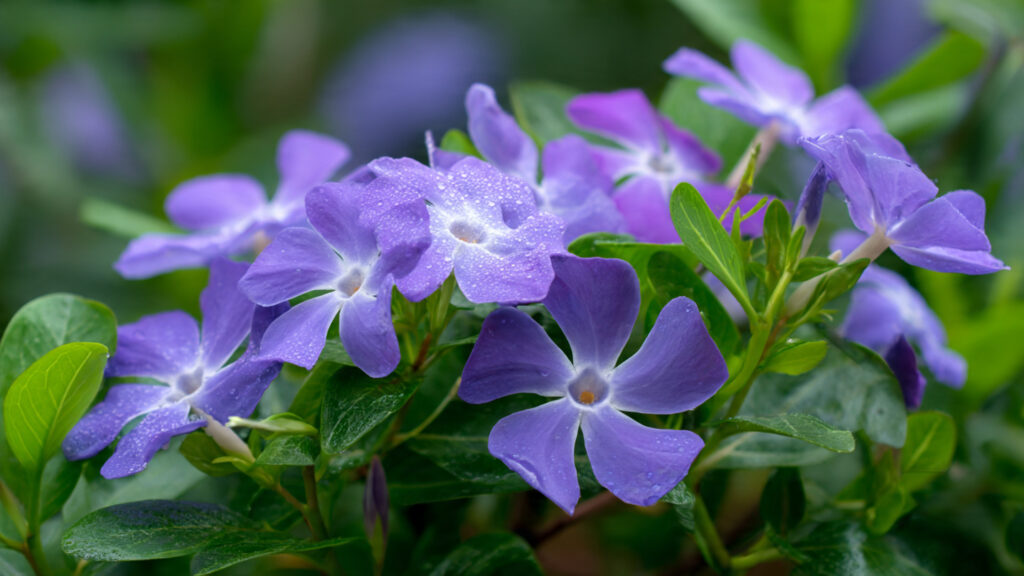
Few garden plants are as rewarding for beginners and seasoned gardeners alike as the Periwinkle. Known for its vibrant blooms in shades of purple, pink, white, and even bi-colors, periwinkle offers a continuous display of flowers that can brighten patios, borders, containers, and even challenging garden corners. Its glossy evergreen foliage provides year-round beauty, while the plant’s low-maintenance nature makes it ideal for gardeners who want maximum impact with minimal effort.
However, ensuring that periwinkle produces a nonstop flow of blooms throughout the season requires understanding its growth habits, environmental preferences, and maintenance needs. In this guide, we’ll explore all aspects of successfully cultivating periwinkle for a long-lasting, colorful display.
Understanding Periwinkle
Periwinkle, scientifically known as Vinca minor/major, is a hardy, evergreen perennial or subshrub that thrives in a variety of climates. Two popular species are:
- Vinca minor – low-growing, ideal for ground cover or borders.
- Vinca major – taller and more vigorous, suitable for larger beds or hanging baskets.
Periwinkle is prized not only for its flowers but also for its glossy, dark green foliage that remains attractive even when blooms fade. One of the most appealing traits is its ability to flower continuously under proper care, often from early spring until the first frost.
Choosing the Right Location
Periwinkle is adaptable but performs best when planted with its environmental preferences in mind.
Light Requirements:
- Full sun to partial shade works, though partial shade often encourages stronger growth and longer bloom periods.
- Too much direct, scorching sunlight in hot climates can stress the plant and reduce flowering.
- Deep shade may cause fewer blooms but will maintain glossy foliage.
Soil Preferences:
- Well-draining soil is essential to prevent root rot.
- Slightly acidic to neutral pH (6.0–7.0) is optimal.
- Periwinkle tolerates poor soil but flowers best in nutrient-rich conditions.
Spacing:
- For groundcover: Plant Vinca minor 12–18 inches apart to allow spreading.
- For containers: Leave 6–8 inches between plants to encourage airflow and reduce fungal problems.
Planting Periwinkle
Periwinkle can be grown from seeds, cuttings, or nursery-bought plants. While seeds are viable, many gardeners prefer planting young plants or using stem cuttings for faster, reliable flowering.
Step-by-Step Planting:
- Prepare the soil: Loosen to a depth of 8–10 inches and amend with compost for better fertility.
- Planting: Place plants at the same depth they were in their nursery pots.
- Watering: Water immediately after planting to settle the soil and eliminate air pockets.
- Mulching: Apply a thin layer of mulch around the base to conserve moisture and suppress weeds.
Periwinkle spreads via creeping stems that root at nodes, so leaving space around each plant ensures natural expansion and fuller coverage.
Watering for Continuous Bloom
Periwinkle is moderately drought-tolerant once established, but regular watering promotes lush growth and extended flowering.
Watering Guidelines:
- Keep soil consistently moist during the first few weeks after planting.
- Water deeply but allow the top layer of soil to dry slightly between waterings.
- Once established, reduce frequency; overwatering can lead to root rot.
- Container-grown periwinkle may need more frequent watering during hot weather.
Proper watering ensures the plant remains vigorous and produces flowers consistently rather than focusing solely on foliage.
Fertilization Strategies
Balanced nutrition is key to prolonged blooming.
Feeding Tips:
- Apply a slow-release fertilizer in early spring.
- Use a liquid fertilizer high in phosphorus during the flowering season to promote bud formation.
- Avoid excessive nitrogen, which encourages lush green foliage at the expense of flowers.
Supplementing soil with organic compost enhances nutrient availability while supporting healthy root systems, which directly influences flower production.
Pruning and Deadheading
Maintaining continuous flowering requires occasional grooming.
Pruning:
- Trim back leggy stems in early spring to encourage denser growth.
- Lightly prune during the growing season to shape plants and remove old, woody growth.
Deadheading:
- Remove faded or spent flowers to redirect energy toward new blooms.
- Although periwinkle can flower without deadheading, regular removal of spent flowers maximizes continuous bloom.
Proper pruning also helps prevent overcrowding, reducing the risk of fungal diseases and increasing airflow.
➡️ How to Grow Malabar Spinach from Cuttings for Fast, Easy Greens
➡️ How to Grow Super Delicious Cabbage at Home Without a Garden
➡️ How to Grow Bean Sprouts at Home in Plastic Bottles Easily (Step‑by‑Step Guide)
➡️ Why is Your Lemon Tree Blooming in the Heart of Winter?
➡️ Why Should Your Garden Have a Dedicated Pollinator Highway?
➡️ Why Do Your Fruit Trees Need a Winter Wash to Thrive in Spring?
➡️ How Can Rice Water Transform Your Fruits into Sweeter Delights?
➡️ Jumpstart Your Winter Garden: Seed Starting Under Lights
Controlling Pests and Diseases
Periwinkle is hardy and resistant to many pests, but some issues may arise.
Common Problems:
- Aphids: Small insects feeding on new growth. Spray with water or use insecticidal soap.
- Spider mites: Thrive in dry, hot conditions; increase humidity or treat with horticultural oil.
- Fungal diseases: Root rot and leaf spot can occur in poorly drained soil or overly shaded areas.
Good cultural practices—proper spacing, well-draining soil, and adequate sunlight—minimize these problems.
Encouraging Continuous Flowering
Achieving nonstop blooms requires attention to several factors:
- Light: Ensure at least 4–6 hours of sunlight daily.
- Fertilizer: Switch to bloom-promoting fertilizers when buds start forming.
- Watering: Maintain even moisture without waterlogging.
- Deadheading: Remove spent flowers promptly.
- Pruning: Shape plants periodically to encourage side shoots and additional flowers.
By following these steps, periwinkle produces multiple flowering cycles throughout the season, creating a dense, colorful display.
Companion Planting
Periwinkle pairs beautifully with other low-maintenance, long-blooming plants:
- Daylilies: Offer contrasting flower shapes.
- Hostas: Provide foliage contrast in shaded areas.
- Lavender: Adds fragrance and complementary colors.
- Ornamental grasses: Create texture alongside creeping periwinkle.
Companion planting also helps attract pollinators and can improve the overall health of your garden ecosystem.
Using Periwinkle in Containers
For patios, balconies, or indoor sunrooms, periwinkle thrives in pots.
Container Tips:
- Choose pots with drainage holes to prevent root rot.
- Use high-quality potting soil with added compost.
- Fertilize regularly, as nutrients leach faster in containers.
- Rotate containers occasionally to ensure even light exposure.
Trailing varieties spill over the edges, creating cascading color that enhances visual appeal.
Seasonal Care
Periwinkle is evergreen in mild climates and can bloom from spring through fall. Seasonal care tips include:
- Spring: Prune dead growth, fertilize, and monitor for pests.
- Summer: Maintain moisture and deadhead regularly.
- Autumn: Gradually reduce watering as growth slows.
- Winter: In frost-prone areas, protect plants with mulch or move containers indoors.
With consistent care, periwinkle provides months of uninterrupted color and greenery.
Propagation for Expanding Your Garden
Periwinkle is easy to propagate, allowing gardeners to expand coverage or share plants with friends.
Propagation Methods:
- Stem Cuttings: Take 4–6 inch cuttings, remove lower leaves, and root in water or moist soil.
- Division: Dig up clumps in early spring or fall, separate rooted sections, and replant.
New plants quickly establish and continue the cycle of continuous flowering.
Aesthetic and Practical Benefits
Periwinkle offers more than just beauty:
- Groundcover: Controls weeds and stabilizes soil.
- Low Maintenance: Thrives with minimal attention.
- Pollinator-Friendly: Attracts bees and butterflies.
- Versatile: Works in borders, containers, hanging baskets, and rock gardens.
Its glossy foliage and colorful blooms make it a versatile choice for a variety of garden designs.
Final Thoughts
Growing periwinkle successfully for continuous flowering is a rewarding endeavor. By understanding its light, water, soil, and pruning needs, gardeners can enjoy a long season of vibrant blooms and lush foliage. Regular deadheading, occasional fertilization, and monitoring for pests ensure that your periwinkle garden remains healthy and productive.
Whether used as a groundcover, in containers, or as part of a mixed border, periwinkle provides color, texture, and ease of care that few plants can match. With attention to detail and consistent maintenance, your periwinkle will reward you with a spectacular display of flowers that keeps your garden lively and vibrant from spring through fall.
A thriving periwinkle garden is more than just a visual delight—it’s a testament to thoughtful care and planning, and it offers the satisfaction of continuous beauty in your outdoor space.