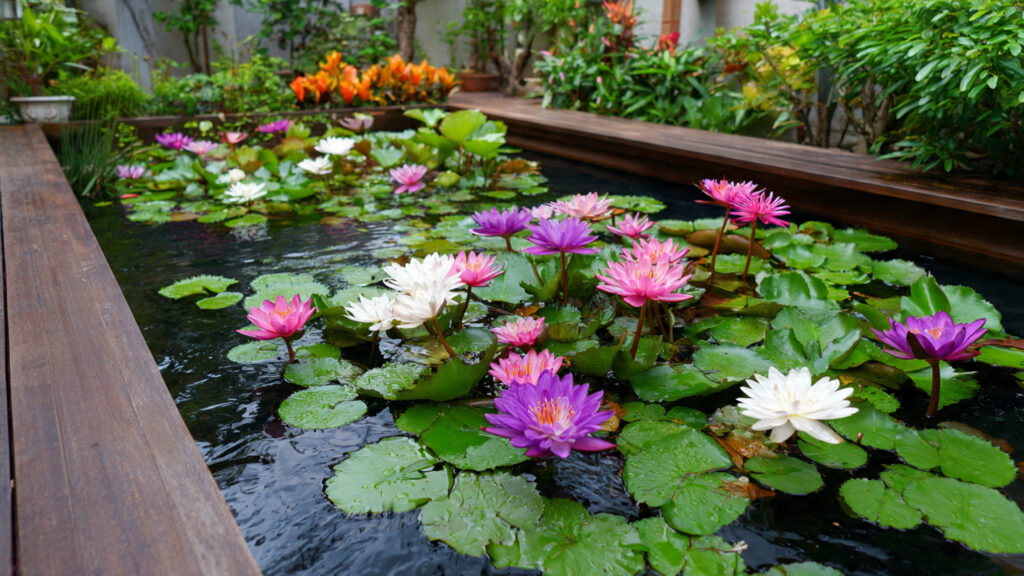
Water lilies are one of the most elegant and captivating aquatic plants you can add to your garden. Their delicate blossoms floating on serene water surfaces instantly transform any outdoor space into a picturesque retreat. What makes water lilies even more appealing is that they can thrive in containers, allowing gardeners with limited space or small patios to enjoy their beauty.
In this guide, we’ll explore how to successfully grow water lilies in containers, from choosing the right varieties and preparing containers to care tips that ensure vibrant blooms all season long. By following simple methods, you can create a stunning outdoor water feature that will be the centerpiece of your garden.
Why Grow Water Lilies in Containers?
Growing water lilies in containers offers several advantages:
- Space efficiency – Ideal for patios, decks, or small garden corners.
- Mobility – Containers can be moved to optimize sunlight or protect plants during harsh weather.
- Controlled environment – Easier to manage soil quality, water depth, and nutrient levels.
- Aesthetic versatility – Combine different lily varieties or container designs to enhance outdoor decor.
Whether you have a small balcony pond or a large outdoor patio, container-grown water lilies allow you to enjoy their graceful flowers without the need for a traditional pond.
Selecting the Right Water Lily Varieties
Before planting, selecting the right water lily variety is crucial. Water lilies are broadly classified into tropical and hardy types:
- Hardy water lilies – These thrive in temperate climates and can survive winter outdoors. They produce larger, fragrant blooms and come in shades of white, pink, yellow, and red.
- Tropical water lilies – Known for their vibrant colors, tropical lilies bloom longer but may require warmer conditions or indoor overwintering.
Choose a variety based on your local climate, container size, and desired bloom colors. Dwarf varieties are perfect for small containers, while larger varieties make a dramatic statement in spacious outdoor spaces.
Choosing the Perfect Container
Container selection is critical to the success of water lilies. Consider the following:
- Size – Most lilies require a container at least 12–18 inches wide and 10–12 inches deep. Larger containers allow root systems to expand and support bigger blooms.
- Material – Plastic, ceramic, or fiberglass containers work well. Ensure they are waterproof and stable to prevent tipping.
- Shape – Wide, shallow containers are ideal for lilies, mimicking natural pond conditions.
Avoid using porous materials like terracotta unless lined with a waterproof barrier, as water evaporation can be excessive and may dry out the soil.
Preparing the Soil and Planting
Water lilies thrive in rich, loamy soil. Avoid garden soil that may float or cloud the water. Use a special aquatic planting medium or a heavy clay loam mixed with compost. Here’s how to plant:
- Fill the container – Add 4–6 inches of aquatic soil at the bottom.
- Position rhizome – Place the lily rhizome at a 45-degree angle with roots buried in the soil. Keep the growing tip slightly above the soil surface.
- Add gravel – Cover the soil lightly with gravel to prevent soil from floating away.
- Submerge container – Slowly lower the container into water until the tip of the plant is just below the surface.
Planting in the right way ensures healthy root development and reduces the risk of rotting.
Water Depth and Light Requirements
Water lilies require specific conditions to thrive:
- Water depth – Hardy lilies prefer 12–18 inches of water above the crown, while tropical lilies may need 6–12 inches. Adjust depth based on container size.
- Sunlight – Lilies need at least 4–6 hours of direct sunlight daily for vigorous blooming. Shaded areas may result in fewer flowers.
Keeping the water clean and free of debris is essential to maintain healthy plants and prevent algae growth.
Fertilizing Your Container Water Lilies
Water lilies are heavy feeders and need regular nutrients for stunning blooms. Use slow-release aquatic fertilizer tablets:
- Insert fertilizer tablets into the soil near the roots every 4–6 weeks during the growing season.
- Avoid over-fertilization, which can cause excessive leaf growth with fewer flowers.
- Monitor plant health and adjust feeding based on growth.
Balanced nutrients support lush foliage and vibrant flowers throughout the season.
Pruning and Maintenance
Maintaining water lilies is simple but important:
➡️ How to Grow Malabar Spinach from Cuttings for Fast, Easy Greens
➡️ How to Grow Super Delicious Cabbage at Home Without a Garden
➡️ How to Grow Bean Sprouts at Home in Plastic Bottles Easily (Step‑by‑Step Guide)
➡️ Why is Your Lemon Tree Blooming in the Heart of Winter?
➡️ Why Should Your Garden Have a Dedicated Pollinator Highway?
➡️ Why Do Your Fruit Trees Need a Winter Wash to Thrive in Spring?
➡️ How Can Rice Water Transform Your Fruits into Sweeter Delights?
➡️ Jumpstart Your Winter Garden: Seed Starting Under Lights
- Remove yellowing leaves – Prevents decay in the water and reduces the risk of fungal diseases.
- Deadhead spent flowers – Encourages more blooms and keeps the plant tidy.
- Monitor water quality – Replace water partially if it becomes cloudy or stagnant.
- Control pests – Aphids or snails may occasionally appear. Use natural methods such as hand removal or safe aquatic treatments.
Regular maintenance ensures your water lilies remain healthy and continue to produce breathtaking blooms.
Overwintering Container Water Lilies
Depending on your climate, you may need to protect lilies during winter:
- Hardy lilies – Can remain in containers if water doesn’t freeze. Otherwise, move containers to a frost-free garage or basement.
- Tropical lilies – Must be moved indoors or treated as annuals, as they cannot tolerate frost.
Proper overwintering ensures your lilies return strong and ready for the next growing season.
Creative Display Ideas for Outdoor Spaces
Container water lilies are not just plants—they are a design element. Here are some ideas to enhance your outdoor space:
- Pondless water features – Combine lily containers with fountains for a soothing sound and aesthetic appeal.
- Grouped arrangements – Place multiple containers of different lily varieties together to create a mini water garden.
- Decorative pots – Use ornate ceramic or colored containers to complement garden decor.
- Balcony water gardens – Even small terraces can host a single container lily for a tranquil focal point.
These creative arrangements transform ordinary outdoor areas into stunning water-filled sanctuaries.
Common Challenges and How to Overcome Them
Even container-grown lilies can face issues. Here’s how to tackle common problems:
- Algae growth – Keep water shaded partially or add floating plants to reduce sunlight exposure.
- Leaf rot – Ensure the crown is not buried too deeply in soil, and remove decayed leaves promptly.
- Pest infestation – Aphids, snails, or water beetles may attack leaves or flowers. Use gentle manual removal or natural remedies.
- Weak flowering – Insufficient sunlight or nutrients can reduce blooms. Adjust light exposure and fertilization.
By proactively addressing these issues, you can enjoy a vibrant, healthy water lily display all season.
Benefits of Container Water Lilies
Growing water lilies in containers offers more than beauty:
- Stress relief – The sight and sound of water can reduce stress and create a calming atmosphere.
- Educational opportunity – Observing aquatic plant growth teaches about ecosystems and plant care.
- Year-round enjoyment – With proper overwintering, lilies can bloom again each season.
- Wildlife attraction – Lilies provide habitat and nectar for insects like bees and dragonflies.
These benefits make container water lilies a rewarding choice for gardeners seeking both beauty and functionality.
Conclusion
Growing water lilies in containers is a simple and elegant way to enhance your outdoor spaces. With the right soil, container, sunlight, and care, you can enjoy lush green leaves and spectacular blooms right beside your home.
By selecting the right lily variety, maintaining proper water conditions, and following simple fertilizing and pruning routines, even beginner gardeners can successfully cultivate stunning water lily displays. Whether you aim for a small balcony garden or a larger patio water feature, container-grown water lilies bring beauty, serenity, and a touch of luxury to your surroundings.
Start today, and transform your outdoor space into a mesmerizing aquatic retreat filled with the charm of blooming water lilies.