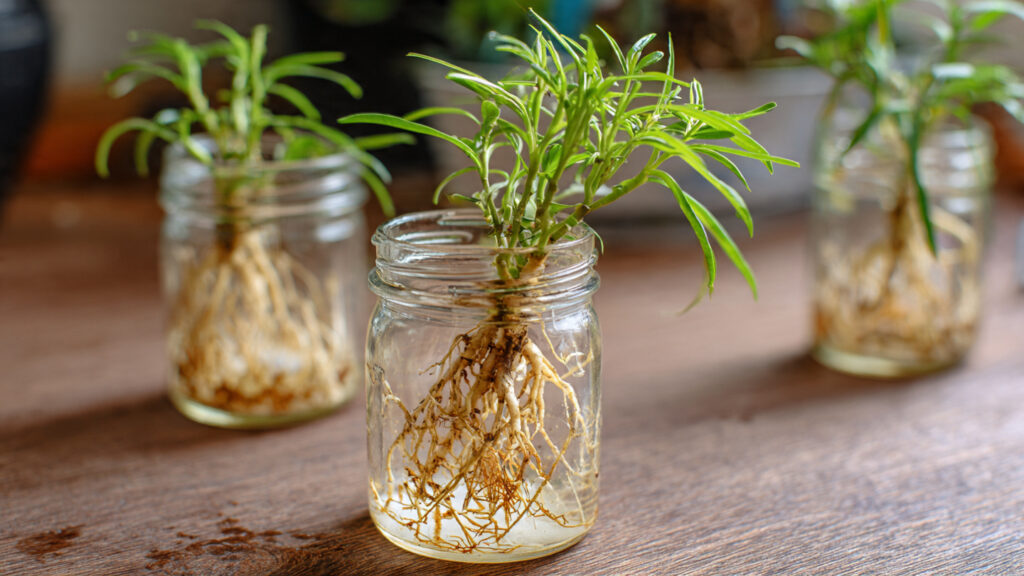
For gardeners, propagating plants from cuttings is one of the most exciting and rewarding activities. There’s something magical about taking a small piece of a beloved plant and nurturing it until it grows into a thriving new plant. However, one of the biggest challenges in propagation is getting cuttings to form roots quickly. Slow or poor rooting can be frustrating and often results in wasted cuttings. Fortunately, with a speedy root formation hack, you can dramatically boost rooting success and accelerate growth. This guide will walk you through the methods, tips, and tricks to make your cuttings flourish.
Understanding Plant Cuttings and Root Formation
Before diving into the hack, it’s important to understand how plant cuttings grow roots. A cutting is a portion of a plant—typically a stem, leaf, or root—that is separated from the parent plant with the goal of developing into a new plant. Root formation occurs when the cutting develops new roots from cells near the cut site, a process called adventitious rooting.
Several factors influence successful rooting:
- Plant type: Some plants root easily (e.g., pothos, coleus, mint), while others are more challenging (e.g., hardwood trees).
- Health of the cutting: Healthy, disease-free cuttings have a higher chance of success.
- Environmental conditions: Moisture, temperature, and light all affect root development.
- Rooting techniques: Using methods like rooting hormones, proper cutting preparation, and suitable growing media can speed up root formation.
Understanding these factors allows you to apply the speedy root formation hack effectively and get consistent results.
Step 1: Choose the Right Cuttings
The first step to speedy root formation is selecting the right cutting. Here’s how to pick the best:
- Healthy parent plant: Choose a plant free from pests or diseases. Cuttings from stressed or weak plants are less likely to root.
- Proper section: Use a stem with at least 2–3 nodes (the small bumps where leaves grow). Nodes are where roots are most likely to develop.
- Avoid old or woody stems: Softwood or semi-hardwood cuttings root faster than mature, woody stems.
- Length matters: Ideal cutting length is usually 4–6 inches (10–15 cm), enough to provide energy for root development while remaining manageable.
Selecting the right cutting is the foundation for successful propagation. Without a strong, healthy cutting, even the fastest hack won’t guarantee results.
Step 2: Prepare the Cutting for Success
Proper preparation dramatically increases rooting speed. Follow these steps:
- Trim excess leaves: Remove most leaves from the lower half to reduce water loss and direct energy toward root development.
- Make a clean cut: Use a sharp, sterilized knife or scissors. Jagged cuts can invite disease and slow rooting.
- Optional leaf trimming: For larger leaves, reduce size by half to minimize evaporation while still allowing photosynthesis.
- Wound the stem slightly: Making a small slit at the base of the stem can stimulate root formation. This technique encourages the plant to focus energy on root development rather than top growth.
Well-prepared cuttings have a much higher chance of quickly forming healthy roots, setting the stage for a strong, vigorous plant.
Step 3: Apply the Speedy Root Formation Hack
Now comes the game-changing part—the speedy root formation hack. This method combines hormones, environment, and growth stimulants to accelerate rooting.
Use Rooting Hormones
Rooting hormones contain auxins, which are plant hormones that promote root development. You can use:
- Powdered rooting hormone: Dip the cut end into the powder and tap off excess.
- Liquid rooting hormone: Soak the cuttings for a few minutes before planting.
- Natural alternatives: Honey, willow water, or aloe vera gel can also stimulate root growth if you prefer organic methods.
Optimize the Growing Medium
The right medium ensures oxygen, moisture, and stability for the cutting:
- Well-draining mix: A combination of peat moss, vermiculite, and perlite works best.
- Moist but not soggy: Overwatering can rot the cutting, while dry soil slows root formation.
- Sterilized medium: Prevents fungus and bacteria from attacking vulnerable cuttings.
Create a Controlled Environment
Speedy rooting requires consistent humidity, warmth, and light:
- Humidity dome: Cover cuttings with a plastic bag or clear container to maintain high humidity.
- Indirect light: Bright but indirect sunlight encourages growth without stressing the cutting.
- Warmth: Keep the environment at 70–75°F (21–24°C) to optimize root cell activity.
This combination of hormones, medium, and environment is what makes the hack truly effective—cuttings that might normally take weeks to root can show progress in just days.
Step 4: Monitor and Care for Cuttings
Once planted, your cuttings need gentle care to thrive.
- Check moisture daily: Mist if needed, but avoid waterlogging.
- Air circulation: Occasionally open the dome to prevent mold and strengthen cuttings.
- Patience with roots: Most cuttings form roots within 1–4 weeks, depending on plant species and conditions.
- Avoid fertilizing early: Fertilizers can stress cuttings before roots establish. Wait until you see active root growth.
Monitoring cuttings closely ensures fast, healthy root formation and minimizes the risk of failure.
➡️ How to Grow Malabar Spinach from Cuttings for Fast, Easy Greens
➡️ How to Grow Super Delicious Cabbage at Home Without a Garden
➡️ How to Grow Bean Sprouts at Home in Plastic Bottles Easily (Step‑by‑Step Guide)
➡️ Why is Your Lemon Tree Blooming in the Heart of Winter?
➡️ Why Should Your Garden Have a Dedicated Pollinator Highway?
➡️ Why Do Your Fruit Trees Need a Winter Wash to Thrive in Spring?
➡️ How Can Rice Water Transform Your Fruits into Sweeter Delights?
➡️ Jumpstart Your Winter Garden: Seed Starting Under Lights
Step 5: Transplanting to Soil or Pots
Once roots are established, it’s time to move your cutting into a larger growing medium:
- Choose the right container: Start with a pot slightly larger than the root ball to prevent waterlogging.
- Gradually acclimate: Harden off the young plant by slowly reducing humidity and exposing it to more light.
- Plant carefully: Keep roots intact and gently firm soil around the cutting.
- Water thoroughly: Encourage root-soil contact for better establishment.
With careful transplanting, cuttings that rooted quickly will continue to grow vigorously and develop into healthy, mature plants.
Step 6: Additional Tips for Speedy Rooting
- Use bottom heat: Placing cuttings on a heated mat around 70–75°F (21–24°C) speeds up rooting.
- Trim cuttings periodically: Remove dying or weak cuttings to focus energy on healthy ones.
- Experiment with natural stimulants: Aloe vera, cinnamon powder, and willow water can naturally enhance rooting.
- Label cuttings: Keep track of plant species and rooting dates for better results.
Implementing these additional strategies ensures that your cuttings are not only rooted quickly but also develop strong, resilient roots.
Step 7: Common Mistakes to Avoid
Even with the hack, mistakes can slow rooting:
- Overwatering: Leads to rot and fungal infections.
- Underwatering: Cuttings dry out and fail to root.
- Direct sunlight: Can scorch leaves and stress the cutting.
- Using old or weak cuttings: Never propagate unhealthy material.
- Ignoring mold or pests: Early intervention prevents widespread failure.
Avoiding these pitfalls ensures that your speedy rooting hack works every time.
Conclusion
Using the speedy root formation hack for plant cuttings can revolutionize your gardening experience. By selecting healthy cuttings, preparing them correctly, applying rooting hormones, and creating the ideal environment, you can significantly reduce the time it takes for roots to form. Once established, these cuttings grow into strong, thriving plants, allowing you to expand your garden quickly and successfully.
Whether you’re propagating houseplants, garden vegetables, or ornamental plants, this hack ensures that your cuttings thrive faster, saving time and increasing your success rate. With patience, careful monitoring, and the right techniques, you’ll soon enjoy lush, healthy plants grown from cuttings that took root faster than ever before.