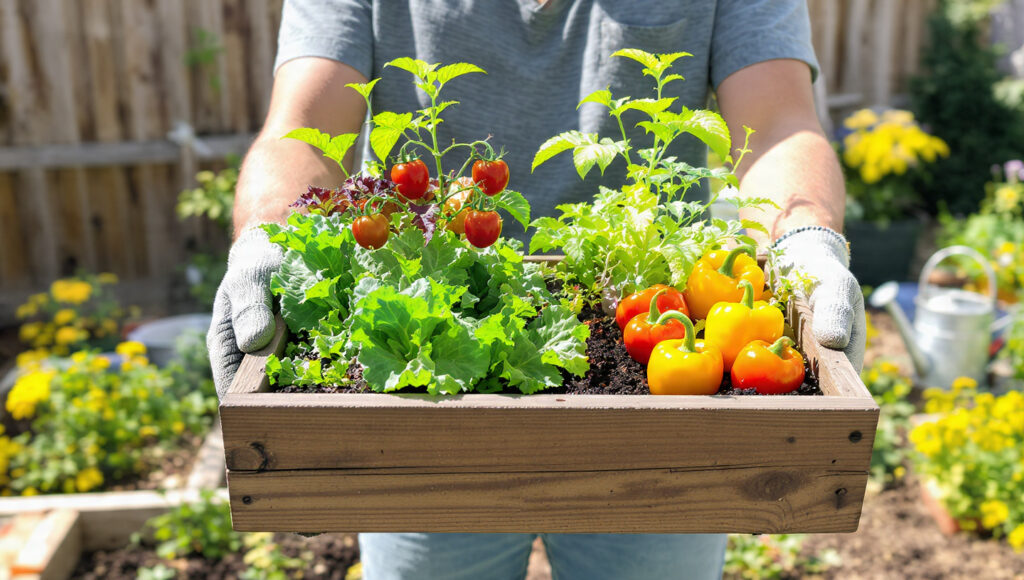
Growing your own vegetables can seem like a daunting task, but it doesn’t have to be. With the right approach, planning, and care, it’s entirely possible to grow 100% of your own fresh vegetables at home—even in limited space. Over the past year, I discovered a method that transformed my small garden into a thriving, self-sufficient vegetable paradise. This step-by-step guide will show you exactly how to do it, whether you have a backyard, balcony, or even a small indoor setup.
Why Grow Your Own Vegetables?
Before diving into the method, it’s important to understand the benefits of homegrown produce:
- Freshness and Flavor: Nothing beats the taste of vegetables harvested at their peak.
- Nutritional Value: Freshly picked vegetables retain more nutrients than store-bought options.
- Cost Savings: Growing your own reduces grocery bills significantly.
- Environmental Impact: Home gardening reduces packaging waste and transport-related carbon emissions.
- Mental and Physical Health: Gardening encourages physical activity, stress relief, and mindfulness.
Growing your own vegetables is not just about food—it’s about a healthier lifestyle and sustainable living.
Step 1: Plan Your Garden
Every successful vegetable garden starts with a plan. Consider the following:
- Space Assessment: Measure your available gardening space. Even a small balcony can accommodate container gardening.
- Vegetable Selection: Choose vegetables suited to your climate, space, and culinary preferences. Easy-to-grow options include tomatoes, lettuce, spinach, radishes, carrots, cucumbers, peppers, and herbs like basil and parsley.
- Growth Cycles: Plan for both fast-growing crops (lettuce, radishes) and slower-growing ones (tomatoes, cabbage) to ensure a continuous supply.
Planning ensures you maximize yields and maintain a steady harvest throughout the season.
Step 2: Choose Your Growing Method
For my garden, I relied on a mix of soil beds, raised containers, and vertical gardening techniques. Here’s a breakdown:
- Raised Beds: Ideal for larger spaces, raised beds provide better drainage, soil control, and ease of maintenance.
- Container Gardening: Pots, buckets, and even repurposed plastic bottles work well for limited spaces. This method is perfect for balconies, patios, or small backyard gardens.
- Vertical Gardening: Using trellises, wall-mounted planters, or stacked pots maximizes space, especially for climbing crops like cucumbers, peas, or beans.
Choosing the right method for your available space ensures you get maximum yield with minimal effort.
Step 3: Prepare the Soil
Healthy soil is the foundation of a thriving vegetable garden:
- Soil Mix: Use a mix of garden soil, compost, and organic fertilizer. The combination provides essential nutrients and retains moisture while maintaining good drainage.
- Composting: Homemade compost from kitchen scraps (vegetable peels, eggshells, coffee grounds) improves soil fertility naturally.
- pH Balance: Most vegetables prefer slightly acidic to neutral soil (pH 6–7). Test your soil and amend it as needed with lime or organic matter.
Well-prepared soil ensures your vegetables grow strong, produce high yields, and resist pests naturally.
Step 4: Planting Seeds and Seedlings
Planting correctly is key to ensuring robust growth:
- Direct Sowing: For vegetables like carrots, radishes, and lettuce, sow seeds directly into prepared soil. Follow spacing instructions on seed packets to avoid overcrowding.
- Transplanting Seedlings: Start slower-growing crops like tomatoes, peppers, and cabbage indoors in small pots. Transplant them to your garden once they have 2–3 sets of true leaves.
- Stagger Planting: To enjoy a continuous harvest, sow seeds or transplant seedlings every 2–3 weeks. This staggered planting keeps your vegetable supply steady.
Attention to planting details prevents overcrowding, improves airflow, and encourages strong growth.
Step 5: Watering and Irrigation
Consistent moisture is vital for healthy vegetables:
- Frequency: Water regularly, keeping soil evenly moist but not waterlogged.
- Time of Day: Water early in the morning or late in the evening to reduce evaporation and avoid scorching leaves.
- Drip Irrigation: For larger setups, consider installing a simple drip irrigation system. It saves water and ensures plants receive consistent moisture.
Proper watering prevents stress, encourages deep root growth, and helps your vegetables thrive.
Step 6: Fertilization and Nutrient Management
Vegetables need nutrients throughout their growth cycle:
- Organic Fertilizers: Compost tea, fish emulsion, and seaweed extracts provide essential nutrients naturally.
- Balanced Fertilization: Follow recommended schedules for nitrogen, phosphorus, and potassium to support leafy growth, flowering, and fruiting.
- Micronutrients: Ensure iron, magnesium, and calcium levels are sufficient to prevent deficiencies like yellowing leaves or blossom-end rot in tomatoes.
A well-fed vegetable garden produces larger, more nutritious yields.
➡️ How to Grow Malabar Spinach from Cuttings for Fast, Easy Greens
➡️ How to Grow Super Delicious Cabbage at Home Without a Garden
➡️ How to Grow Bean Sprouts at Home in Plastic Bottles Easily (Step‑by‑Step Guide)
➡️ Why is Your Lemon Tree Blooming in the Heart of Winter?
➡️ Why Should Your Garden Have a Dedicated Pollinator Highway?
➡️ Why Do Your Fruit Trees Need a Winter Wash to Thrive in Spring?
➡️ How Can Rice Water Transform Your Fruits into Sweeter Delights?
➡️ Jumpstart Your Winter Garden: Seed Starting Under Lights
Step 7: Pest and Disease Management
Even the best gardens face pests and diseases. Here’s how to manage them naturally:
- Companion Planting: Plant basil near tomatoes, marigolds near lettuce, or onions near carrots to deter pests naturally.
- Physical Barriers: Use nets, row covers, or cloches to protect young plants.
- Natural Remedies: Neem oil, garlic spray, or mild soapy water can control common pests without harmful chemicals.
- Regular Inspection: Check plants weekly for early signs of infestation or disease. Prompt action prevents widespread damage.
Healthy plants with natural protection produce better, larger vegetables.
Step 8: Harvesting Techniques
Harvesting at the right time ensures maximum flavor and encourages continued production:
- Leafy Greens: Pick outer leaves first to allow inner leaves to keep growing.
- Root Vegetables: Harvest carrots, radishes, and beets once they reach full size but are still tender.
- Fruiting Vegetables: Tomatoes, peppers, and cucumbers should be harvested when fully colored and firm.
Regular harvesting prevents overripe produce, encourages new growth, and maintains a steady supply of fresh vegetables.
Step 9: Continuous Improvement and Learning
No garden is perfect on the first try. Take notes on what grows best, which plants struggle, and the effects of sunlight, water, and soil amendments. Over time, you can:
- Optimize plant placement for sunlight and growth.
- Improve soil fertility through composting and rotation.
- Experiment with new crops and techniques like hydroponics or vertical farming.
By learning from each season, you can refine your method and eventually achieve 100% homegrown vegetable production.
Step 10: Enjoy the Rewards
The most satisfying part of this method is the harvest. Fresh, homegrown vegetables not only taste amazing but also contribute to a healthier lifestyle. By growing your own produce:
- You save money and reduce grocery trips.
- You control the quality and avoid pesticides.
- You enjoy a sustainable and rewarding hobby that benefits the whole family.
A thriving home vegetable garden is not just about food—it’s about empowerment, self-sufficiency, and connection with nature.
Conclusion: A Step-By-Step Path to Self-Sufficiency
Growing 100% of your own fresh vegetables may seem ambitious, but with careful planning, proper soil, consistent care, and the right methods, it’s entirely achievable. By following these steps—planning your garden, selecting the right plants, preparing soil, planting, watering, fertilizing, managing pests, and harvesting—you can transform any space into a productive, sustainable vegetable garden.
Whether you’re a beginner or a seasoned gardener, this method provides a clear roadmap to self-sufficiency, allowing you to enjoy fresh, nutritious, and flavorful vegetables year-round. Start small, stay consistent, and gradually expand your garden to fully embrace the joy of growing your own food.
From a few seeds to a fully thriving garden, this approach proves that anyone can grow their own vegetables with patience, care, and the right techniques.