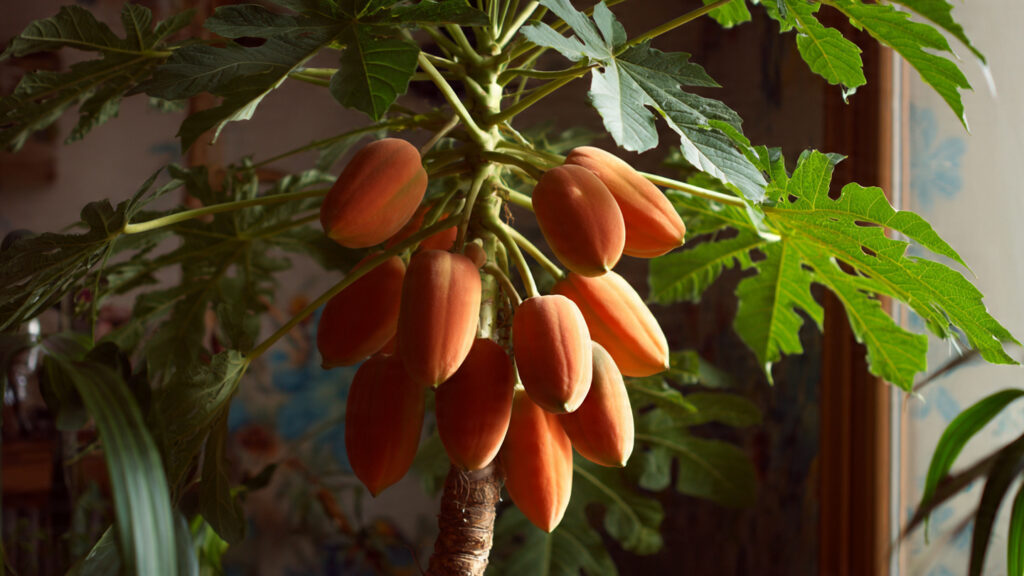
Papaya trees are often associated with tropical gardens, wide open spaces, and sunny backyards. But what if I told you that you don’t need a large yard or a tropical climate to enjoy fresh, juicy papayas? I grew a papaya tree right inside my house, and the experience was both rewarding and surprisingly easy. With the right techniques, container selection, and care routines, you too can cultivate this tropical treasure indoors, enjoying both its beauty and its delicious fruits year-round.
In this comprehensive guide, I’ll share my journey of growing papaya indoors, practical tips for success, and everything you need to know to start your own indoor papaya tree.
Why Grow Papaya Indoors?
Indoor papaya cultivation offers numerous advantages:
- Year-Round Fruit Production: Unlike outdoor trees that depend on seasonal climates, indoor papayas can thrive year-round with controlled conditions.
- Space-Saving: Growing in a container eliminates the need for a backyard or garden. Even small apartments can host a healthy papaya plant.
- Pest and Disease Control: Indoors, your tree is less likely to be affected by outdoor pests or diseases.
- Air Purification: Papaya trees help purify the air and add a lush, tropical feel to your home.
- Fresh, Organic Fruit: Nothing beats the taste of papayas harvested directly from your own tree.
Whether you want to enjoy fresh fruit, add greenery to your living space, or experiment with indoor gardening, papayas make an excellent choice.
Choosing the Right Variety
Not all papaya varieties are suitable for indoor growth. Look for:
- Dwarf or semi-dwarf varieties: Varieties like ‘Red Lady’, ‘Tainung 1’, or ‘Sunrise Solo’ are ideal because they stay compact and manageable in containers.
- Fast-growing types: Some indoor papayas grow quickly, giving you fruits within 8–12 months.
- Fruiting potential: Choose varieties known for prolific fruiting to maximize your harvest.
Selecting the right variety is the first step toward a successful indoor papaya tree.
Starting Your Papaya from Seed
Growing a papaya from seed is simple and satisfying. Here’s the process I followed:
- Selecting Seeds: Use fresh seeds from a ripe papaya fruit. Clean them thoroughly to remove any pulp.
- Germination: Soak seeds in warm water for 24 hours to improve germination.
- Planting: Fill a seed tray or small pots with a well-draining seed-starting mix. Plant seeds 1/2 inch deep and keep the soil consistently moist.
- Light: Place the pots near a sunny window or under a grow light. Papayas need at least 6–8 hours of light daily.
- Temperature: Maintain a warm environment of 70–85°F (21–29°C) for optimal germination. Seeds usually sprout within 2–3 weeks.
Starting from seed allows you to choose your plant’s genetics and is cost-effective compared to buying seedlings.
Selecting the Right Container
Container choice is critical for indoor papaya success:
- Size: Start with a 12–16 inch pot for seedlings, but be prepared to transplant into larger pots (20–24 inches) as the tree grows. Papayas have deep roots and need space for healthy development.
- Material: Plastic, ceramic, or fiberglass pots are ideal. Ensure the container has good drainage holes to prevent waterlogging.
- Mobility: Consider using a pot with wheels or a lightweight material so you can move the tree to adjust sunlight exposure.
A properly sized container ensures your indoor papaya tree thrives and produces fruit.
Soil and Fertilization
Papayas prefer rich, well-draining soil. I used a mixture of:
- 50% potting soil
- 25% compost
- 25% perlite or sand
This combination ensures aeration, retains moisture, and provides nutrients.
For fertilization:
- Initial Growth: Use a balanced, water-soluble fertilizer every 2–3 weeks during the seedling stage.
- Flowering and Fruiting: Switch to a fertilizer higher in potassium and phosphorus to support flowering and fruit development.
- Organic Options: Compost tea, seaweed extract, or fish emulsion can boost growth and improve fruit quality.
Proper nutrition is crucial for healthy leaves, strong stems, and bountiful fruits.
Light and Temperature Requirements
Light and warmth are critical for indoor papaya growth:
➡️ How to Grow Malabar Spinach from Cuttings for Fast, Easy Greens
➡️ How to Grow Super Delicious Cabbage at Home Without a Garden
➡️ How to Grow Bean Sprouts at Home in Plastic Bottles Easily (Step‑by‑Step Guide)
➡️ Why is Your Lemon Tree Blooming in the Heart of Winter?
➡️ Why Should Your Garden Have a Dedicated Pollinator Highway?
➡️ Why Do Your Fruit Trees Need a Winter Wash to Thrive in Spring?
➡️ How Can Rice Water Transform Your Fruits into Sweeter Delights?
➡️ Jumpstart Your Winter Garden: Seed Starting Under Lights
- Sunlight: Place your tree near a south-facing window for at least 6–8 hours of direct sunlight. If natural light is insufficient, supplement with LED grow lights.
- Temperature: Maintain 70–85°F (21–29°C) for optimal growth. Papayas are sensitive to cold and may slow down or stop growing if temperatures drop below 60°F (15°C).
- Humidity: Indoor air can be dry. Using a humidifier or misting the leaves occasionally can mimic tropical conditions.
Ensuring proper light and temperature helps your papaya thrive indoors.
Watering Your Indoor Papaya
Papayas are thirsty plants but dislike soggy soil. I follow these watering guidelines:
- Consistency: Water deeply when the top inch of soil feels dry.
- Drainage: Ensure excess water can escape from the pot to prevent root rot.
- Frequency: In warmer months, water every 2–3 days; in cooler months, reduce frequency.
Proper watering encourages healthy root development and prevents stress, which can reduce flowering and fruiting.
Supporting Your Papaya Tree
Even indoors, papayas can grow tall and require support:
- Stakes: Use a bamboo or wooden stake tied gently to the trunk to prevent leaning.
- Pruning: Remove damaged or yellow leaves to improve airflow and maintain the tree’s structure.
- Pollination: Indoors, natural pollinators are absent. Hand-pollinate flowers using a small brush to transfer pollen from male to female flowers to ensure fruit development.
Support and pruning help maintain a healthy, manageable indoor tree.
Common Challenges and How to Overcome Them
Growing papaya indoors comes with unique challenges:
- Limited Light: Use grow lights if sunlight is insufficient.
- Pests: Aphids and spider mites may appear. Wipe leaves regularly or use insecticidal soap.
- Root Bound Plants: Repot annually or when roots crowd the container.
- Flower Drop: Stress from inconsistent watering or insufficient light can cause flowers to drop. Maintain consistent care to avoid this.
Addressing these issues promptly ensures a thriving indoor papaya.
Harvesting Your Indoor Papaya
Patience pays off when growing papayas indoors. Typically, a tree produces fruit within 8–12 months. Signs that papayas are ready to harvest:
- The skin color turns from green to yellow or orange, depending on the variety.
- The fruit feels slightly soft when gently pressed.
- Smell: A sweet fragrance indicates ripeness.
Harvest fruits carefully using a knife or scissors to avoid damaging the tree. Indoor papayas tend to produce smaller but flavorful fruits compared to outdoor trees.
Creative Indoor Papaya Styling
Besides fruit production, indoor papayas can enhance your home décor:
- Corner Plant Feature: Place the tree in a well-lit corner for a tropical vibe.
- Decorative Pots: Use colorful ceramic or terracotta pots to complement your interiors.
- Vertical Gardening: Pair your papaya with smaller plants at its base for a layered indoor garden.
Papayas are not only edible but also visually striking with their large, lobed leaves and tropical appearance.
Conclusion
Growing a papaya tree indoors is an achievable and rewarding project. By selecting the right variety, providing adequate light, soil, and water, supporting the tree properly, and addressing common challenges, you can enjoy fresh papayas and a tropical oasis within your home. Indoor papaya cultivation combines the joys of gardening with the convenience of year-round fruit, making it an excellent choice for plant lovers and food enthusiasts alike.
With patience, attention, and a little creativity, your indoor papaya tree can thrive, offering both aesthetic appeal and delicious fruit. So why wait? Start your indoor papaya journey today, and enjoy the satisfaction of harvesting fruit from a tree you nurtured inside your very own home.