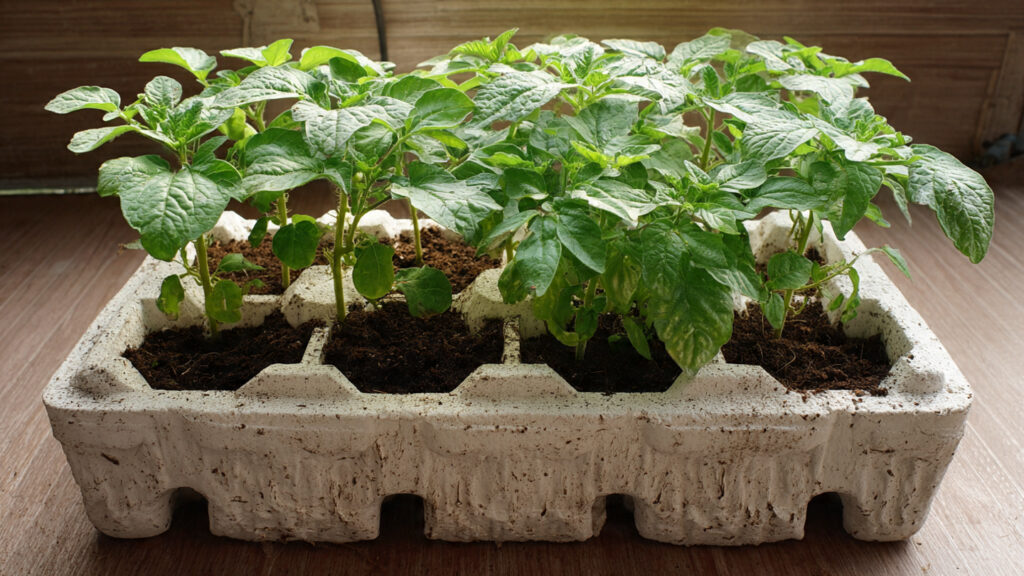
Urban gardening often requires creative solutions, especially when space is limited. Recently, I decided to experiment with growing potatoes and chayote in Styrofoam boxes, a method that sounded unusual at first but delivered surprising results. This adventure taught me practical gardening lessons that anyone can apply, whether you have a balcony, rooftop, or small backyard. Here’s a detailed account of the process, the outcomes, and the valuable tips I learned along the way.
Why Styrofoam Boxes?
Styrofoam boxes, commonly used for transporting fish or vegetables, are lightweight, inexpensive, and readily available. Horticulturists and urban gardeners increasingly use them as container gardening solutions because they provide excellent insulation, retain moisture, and are easy to move around.
Some key advantages include:
- Lightweight: Ideal for rooftops or balconies.
- Insulation: Protects roots from extreme temperatures.
- Drainage Control: Holes can be easily added for proper drainage.
- Cost-Effective: Reuse old boxes rather than buying new pots.
With these benefits in mind, I decided to try growing both potatoes, a root vegetable, and chayote, a climbing squash, in Styrofoam boxes.
Preparing the Styrofoam Boxes
Before planting, preparation is crucial to ensure healthy growth. Here’s how I set up the boxes:
- Choose the Right Box: I used boxes approximately 24 inches long, 16 inches wide, and 12 inches deep. Depth is especially important for potatoes, which develop long tubers.
- Add Drainage Holes: I drilled several small holes in the bottom to allow excess water to escape. Proper drainage prevents root rot.
- Line the Box (Optional): Some gardeners line boxes with newspaper or burlap to prevent soil loss through drainage holes.
- Soil Mix: I used a mixture of garden soil, compost, and coco peat, ensuring light, fertile, and well-draining soil for both crops.
With the boxes ready, I was ready to plant my potatoes and chayote seeds.
Growing Potatoes in Styrofoam Boxes
Potatoes are a favorite crop for container gardening because they thrive in loose, deep soil. Styrofoam boxes mimic the conditions of a raised bed, allowing tubers to expand freely.
Planting Steps:
- Select Seed Potatoes: Choose healthy, sprouted potatoes. Cut larger ones into pieces with at least one eye each.
- Planting Depth: Place the potato pieces 3–4 inches deep in soil, eyes facing up.
- Spacing: Keep 6–8 inches between pieces to allow tubers to grow.
- Watering: Keep soil consistently moist but not waterlogged.
- Hilling: As plants grow, add soil gradually to cover stems and encourage more tuber formation.
Results:
Within 70–90 days, the potato plants grew strong, leafy stems, and the Styrofoam box allowed me to easily harvest a surprisingly high yield of tubers. I learned that even in small containers, potatoes can thrive if the soil is loose, nutrient-rich, and watered consistently.
Growing Chayote in Styrofoam Boxes
Chayote, also known as vegetable pear, is a climbing squash that requires support and space for vines. At first, I was unsure if it would work in a Styrofoam box, but with proper guidance, it did surprisingly well.
Planting Steps:
- Select Healthy Chayote: Choose a firm, blemish-free fruit with a sprouting tip.
- Planting: Place the chayote on its side, half-buried in soil.
- Support: Add a trellis or stick for the vine to climb as it grows.
- Watering: Keep soil consistently moist but avoid soggy conditions.
- Sunlight: Place the box in a sunny spot for 6–8 hours daily.
Results:
The chayote vine grew rapidly, climbing the trellis and producing healthy leaves. Eventually, small fruits started forming, demonstrating that even vining crops can thrive in compact containers with proper support.
Surprising Observations
Experimenting with these two crops in Styrofoam boxes revealed some surprising insights:
- Soil Moisture Retention: Styrofoam’s insulation kept the soil consistently moist, reducing the frequency of watering.
- Temperature Regulation: The boxes protected the roots from temperature extremes, especially during hotter days.
- Ease of Harvest: Harvesting potatoes was effortless; I simply lifted the box and sifted the soil for tubers.
- Compact Growth Success: Despite the small footprint, both crops produced impressive yields.
- Mobility: Lightweight boxes allowed me to move plants for optimal sunlight or protection from rain and pests.
These observations encouraged me to explore other vegetables that might thrive in Styrofoam boxes, including carrots, radishes, and leafy greens.
Practical Lessons Learned
From this experiment, several practical gardening lessons emerged:
1. Soil Matters
- Loose, nutrient-rich, and well-draining soil is essential for root crops like potatoes.
- Organic matter and compost improve fertility and support robust plant growth.
2. Space Management
- Styrofoam boxes are limited in depth and width. For larger crops or heavy-yielding plants, consider slightly larger containers or multiple boxes.
3. Watering Consistency
- Both potatoes and chayote require consistent but moderate watering. Overwatering leads to root rot, while under-watering slows growth.
4. Support Structures
- For climbing plants like chayote, trellises or stakes are necessary even in container setups. Vertical growth maximizes space and light exposure.
5. Fertilization
- Container-grown plants benefit from periodic fertilization since nutrients leach out faster than in garden beds. Liquid or granular fertilizers every 2–3 weeks help sustain growth and fruit production.
6. Monitoring for Pests
- Aphids, mites, and fungal issues can still affect container plants. Regular inspection and organic solutions, such as neem oil, kept my crops healthy.
Advantages of Growing in Styrofoam Boxes
Styrofoam boxes offer unique benefits for urban gardeners:
- Portability: Easily move boxes to protect plants from extreme weather.
- Cost-Effective: Repurposed boxes reduce gardening expenses.
- Year-Round Gardening: Move boxes indoors or under shade during adverse seasons.
- Ideal for Urban Spaces: Balconies, rooftops, and small patios can accommodate multiple boxes.
- Controlled Growth: Easily manage soil, water, and sunlight in a compact setup.
Limitations and Considerations
While Styrofoam box gardening is highly practical, there are a few limitations:
➡️ How to Grow Malabar Spinach from Cuttings for Fast, Easy Greens
➡️ How to Grow Super Delicious Cabbage at Home Without a Garden
➡️ How to Grow Bean Sprouts at Home in Plastic Bottles Easily (Step‑by‑Step Guide)
➡️ Why is Your Lemon Tree Blooming in the Heart of Winter?
➡️ Why Should Your Garden Have a Dedicated Pollinator Highway?
➡️ Why Do Your Fruit Trees Need a Winter Wash to Thrive in Spring?
➡️ How Can Rice Water Transform Your Fruits into Sweeter Delights?
➡️ Jumpstart Your Winter Garden: Seed Starting Under Lights
- Limited Depth for Large Root Crops: Extremely large potatoes or root vegetables may require deeper boxes.
- Durability: Styrofoam may degrade over time or crack in harsh conditions.
- Environmental Concerns: Use recycled or reused boxes to minimize plastic waste.
Despite these minor drawbacks, the benefits far outweigh the challenges for small-space gardening.
Conclusion
Growing potatoes and chayote in Styrofoam boxes was a highly rewarding experience. This experiment demonstrated that urban gardeners don’t need traditional garden beds to produce healthy, productive crops. By carefully selecting containers, preparing soil, providing adequate sunlight, and following horticulturist-approved care techniques, even unconventional crops can thrive in compact spaces.
The surprising results included high yields, easy harvests, and thriving plants, proving that creativity and smart container gardening can transform limited spaces into productive gardens. The lessons learned—soil preparation, watering consistency, support structures, and monitoring—are applicable to many other crops, making Styrofoam box gardening a versatile and practical solution for urban growers.
For anyone curious about innovative gardening methods, this approach offers an accessible, affordable, and highly productive option. With patience, observation, and care, your own small-space vegetable experiment can yield big results, just like mine did with potatoes and chayote.