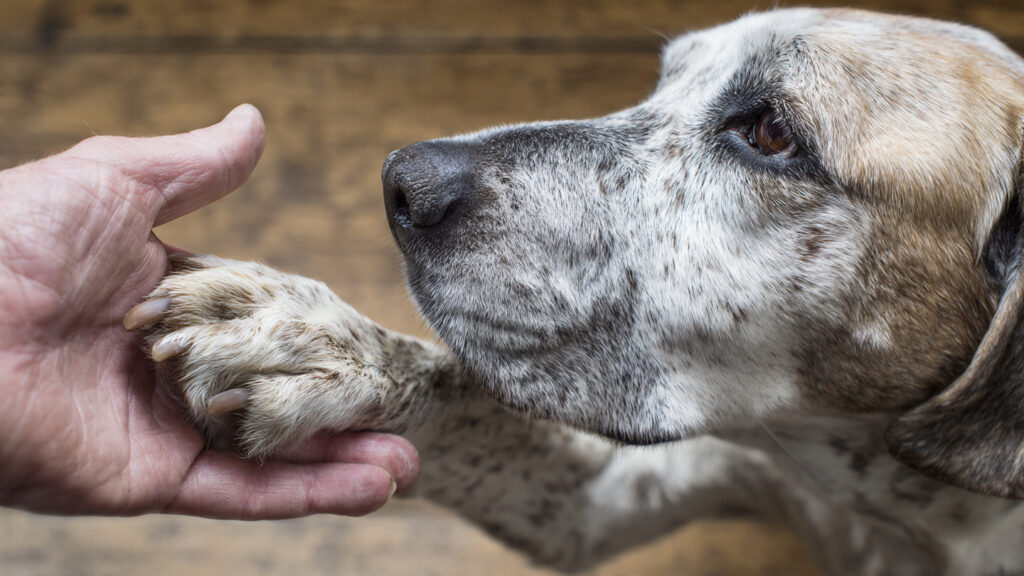
Dogs are some of the most expressive and affectionate animals we share our lives with. From wagging tails to playful barks, they have countless ways of communicating. One behavior that often captures attention is when a dog offers its paw. Many people assume this gesture is simply a playful greeting or a request for attention. While those interpretations aren’t entirely wrong, animal experts reveal that there’s much more to this seemingly simple act. Understanding why your dog gives you its paw can help deepen the bond between you and your furry friend—and shed light on their emotions and needs.
1. A Gesture of Communication, Not Just Play
When your dog places its paw in your hand, it’s often a form of intentional communication. Dogs are social animals that have evolved to interact closely with humans. Pawing can convey a variety of messages depending on context, tone, and body language.
- Seeking Attention: Dogs quickly learn that pawing grabs your focus, whether for petting, treats, or playtime.
- Requesting Interaction: Some dogs may offer their paw to initiate a game or invite you to engage with them.
- Expressing Needs: Beyond fun, pawing can signal hunger, thirst, or the desire to go outside.
Animal behaviorists emphasize that pawing is a purposeful action. It’s not random—it’s a learned way to communicate something specific to you.
2. Social Bonding and Emotional Connection
One of the less obvious reasons dogs give their paw is to strengthen the bond with their human companions. In studies on canine behavior, offering a paw is often associated with affection, trust, and attachment.
- Trust Indicator: A dog extending its paw demonstrates vulnerability and confidence in your response. They trust that you will respond gently.
- Reinforcing Connection: Regularly engaging with this behavior can enhance your emotional connection, making your dog feel secure and loved.
- Reciprocity: Some dogs mirror their owners’ actions. If you reach out or interact with them affectionately, they may offer a paw as a form of social exchange.
In essence, pawing is more than a cute trick—it’s a silent expression of love and social bonding.
3. Subtle Signals of Anxiety or Stress
Not all pawing is playful or affectionate. Experts note that dogs sometimes offer their paw when they feel anxious or stressed. This is especially true if the behavior is accompanied by other signs like lowered ears, lip licking, or avoiding eye contact.
- Comfort-Seeking: Pawing can be a self-soothing gesture, a way to cope with nervousness by initiating human reassurance.
- Displacement Behavior: In situations of mild discomfort, such as a vet visit or unfamiliar environment, a dog may paw at you as a distraction from stress.
- Appeasement Signal: Some dogs use pawing as a non-verbal “please don’t be upset” message, particularly if they anticipate being scolded.
Observing the context and body language is key. If your dog paws frequently under stressful conditions, they may be asking for comfort or reassurance rather than attention or play.
4. Learned Behavior Through Training and Reinforcement
Many dogs paw because humans respond to it—creating a reinforced behavior. Animal trainers often point out that pawing can quickly become habitual if it leads to rewards like treats, affection, or playtime.
- Positive Reinforcement: If a dog paws and you give them a treat, they learn that the behavior is effective in achieving a goal.
- Conditioned Response: Some dogs paw automatically in certain situations, such as when they want to go outside or need food.
- Training Tricks: Tricks like “shake hands” or “give paw” formalize this natural gesture, turning a spontaneous behavior into a trained cue.
Understanding the role of reinforcement helps owners distinguish between instinctive communication and behaviors shaped by human response.
5. Medical or Physical Reasons
Sometimes, pawing isn’t about attention or play at all—it could be a sign of discomfort or pain. Dogs can’t speak, so they may use pawing to alert you to physical issues.
- Itching or Irritation: Allergies, insect bites, or dry skin can lead a dog to paw repeatedly at an area or at you to signal discomfort.
- Injury: Pawing at a specific limb may indicate soreness or injury, prompting a visit to the veterinarian.
- Underlying Health Issues: Conditions like arthritis or joint pain can make a dog seek reassurance and support through pawing.
Experts advise that sudden or excessive pawing, especially when paired with other unusual behaviors, should not be ignored. Your dog may be trying to communicate a health concern.
6. Attention-Seeking and Interactive Play
One of the most common reasons dogs offer their paw is simply to get your attention. Dogs are incredibly social and often desire interaction with their humans, whether for affection or entertainment.
- Engaging Humans: Pawing is an easy way to get a response, especially if you’re busy or focused elsewhere.
- Initiating Play: Dogs often use pawing as a precursor to games like fetch, tug-of-war, or gentle wrestling.
- Testing Boundaries: Some dogs paw to see how you react, learning which behaviors are tolerated, encouraged, or discouraged.
In these cases, pawing is a playful, interactive gesture that strengthens the human-dog relationship.
7. Understanding Context and Individual Personality
It’s important to remember that each dog is unique. Factors like breed, temperament, past experiences, and environment influence why your dog gives you its paw. Experts recommend paying attention to:
- Timing: Does your dog paw when you’re sitting quietly, during meals, or before walks? Timing can hint at the underlying reason.
- Accompanying Behaviors: Body posture, eye contact, tail movement, and vocalizations provide important context.
- Consistency: Some dogs are naturally more expressive and will use pawing frequently, while others rarely do.
By observing patterns, owners can interpret pawing more accurately and respond in a way that meets their dog’s emotional or physical needs.
➡️ How to Grow Malabar Spinach from Cuttings for Fast, Easy Greens
➡️ How to Grow Super Delicious Cabbage at Home Without a Garden
➡️ How to Grow Bean Sprouts at Home in Plastic Bottles Easily (Step‑by‑Step Guide)
➡️ Why is Your Lemon Tree Blooming in the Heart of Winter?
➡️ Why Should Your Garden Have a Dedicated Pollinator Highway?
➡️ Why Do Your Fruit Trees Need a Winter Wash to Thrive in Spring?
➡️ How Can Rice Water Transform Your Fruits into Sweeter Delights?
➡️ Jumpstart Your Winter Garden: Seed Starting Under Lights
8. How to Respond Appropriately
Understanding why your dog is pawing helps you respond in a supportive and meaningful way. Here are some expert tips:
- Positive Interaction: If pawing is for attention or play, engage gently. Offer affection or a toy to reinforce positive communication.
- Set Boundaries: If pawing becomes excessive or disruptive, train your dog to wait patiently for attention. Reward calm behavior rather than constant pawing.
- Monitor Health: If pawing seems linked to discomfort, inspect your dog’s paw or consult a veterinarian to rule out medical issues.
- Consistency: Responding predictably helps your dog understand which behaviors are effective and appropriate.
Balanced responses ensure your dog feels understood while maintaining a healthy routine and behavior.
Final Thoughts
A dog’s paw is much more than a cute gesture—it’s a window into their emotions, needs, and personality. From seeking attention and affection to signaling stress or health concerns, pawing is a versatile form of communication. Animal experts emphasize the importance of context, body language, and timing when interpreting this behavior.
By paying attention and responding thoughtfully, you can strengthen your bond, address your dog’s needs, and enjoy a more harmonious relationship. So next time your furry friend extends their paw, remember: it’s not just a friendly hello—it’s a message, an invitation, or even a plea, and understanding it brings you closer to the loving companion sitting right in front of you.