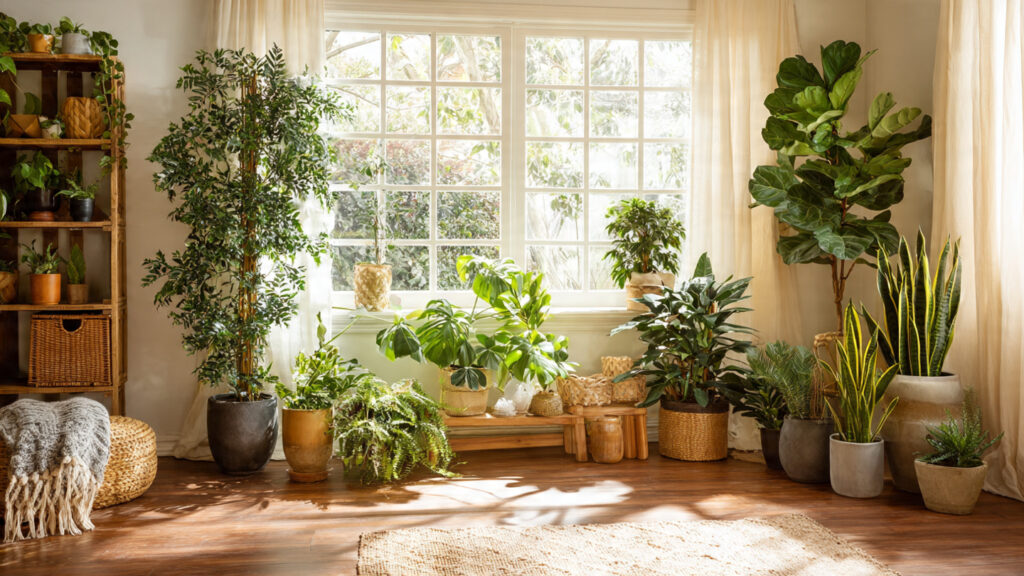
Plants are no longer just background décor—they’re essential for enhancing aesthetics, improving air quality, and creating a sense of wellbeing. Whether you’re styling an indoor sanctuary or designing a vibrant outdoor garden, choosing the right mix of artificial and natural plants can transform your space. In 2026, plant design combines realism, low-maintenance solutions, and creative arrangements to make every environment lush, inviting, and functional. This guide covers the best ideas for indoor and outdoor plant use, focusing on both natural and artificial options.
Why Plants Matter in Modern Design
Plants have far-reaching benefits beyond beauty:
- Mental & Physical Wellbeing: Studies show that green spaces reduce stress, improve mood, and even enhance cognitive performance.
- Air Quality & Comfort: Indoor plants filter toxins, while outdoor greenery moderates microclimates and reduces urban heat.
- Aesthetic Appeal: Properly chosen plants complement architecture, furniture, and décor styles.
- Space Definition: Plants can divide areas, create focal points, and guide circulation in both interiors and gardens.
With 2026 trends emphasizing wellness, sustainable design, and smart living, integrating plants—real or artificial—has become a vital element of interior and landscape planning.
Indoor Plant Ideas
Indoor plants bring life and texture to living spaces, offices, and commercial areas.
1. Natural Indoor Plants
Natural plants are ideal for wellness and air quality:
- Fiddle Leaf Fig: Dramatic, large leaves create a statement corner.
- Monstera Deliciosa: Known for its split leaves and tropical vibe; ideal for living rooms.
- Snake Plant: Hardy, low-maintenance, and excellent for air purification.
- Pothos: Adaptable trailing plant perfect for shelves, walls, and hanging pots.
- Peace Lily: Adds elegance with white blooms and filters indoor air pollutants.
Tips for Indoor Natural Plants:
- Assess light requirements; south-facing windows suit sun-loving plants, while low-light plants thrive in shaded corners.
- Choose appropriate pot size with drainage to prevent overwatering.
- Rotate plants periodically to ensure even light exposure.
2. Artificial Indoor Plants
High-quality artificial plants can replicate natural beauty with zero maintenance:
- Artificial Fiddle Leaf Fig Trees: Ideal for homes and offices with minimal natural light.
- Silk Orchids and Roses: Add vibrant color in dining areas or reception spaces.
- Artificial Succulents: Perfect for desks, shelves, and low-light spaces.
Tips for Artificial Plants:
- Use realistic textures and natural colors to avoid a “plastic” look.
- Mix artificial and real plants to balance greenery and low-maintenance zones.
- Dust or wash leaves regularly to maintain freshness.
Outdoor Plant Ideas
Outdoor plants transform gardens, patios, and terraces into vibrant, inviting spaces.
1. Natural Outdoor Plants
Outdoor greenery supports ecosystem health and seasonal beauty:
- Lavender & Rosemary: Fragrant, low-maintenance, and great for borders or pots.
- Boxwood & Evergreen Shrubs: Provide structure and year-round greenery.
- Ornamental Grasses: Add texture and movement to garden beds.
- Fruit Trees (Citrus, Apple, Fig): Combine functionality with aesthetic appeal.
- Flowering Plants (Petunias, Marigolds, Hydrangeas): Add seasonal color and attract pollinators.
Tips for Outdoor Plants:
- Consider sun exposure, soil type, and water needs for each species.
- Group plants with similar care requirements together.
- Incorporate vertical gardening or raised beds in limited spaces.
2. Artificial Outdoor Plants
Artificial plants are perfect for areas where maintenance or climate is challenging:
- Artificial Palm Trees: Ideal for patios, terraces, or tropical-themed spaces.
- Silk Flower Arrangements: Add seasonal color without constant upkeep.
- Artificial Ivy and Vines: Create privacy screens or wall coverings without planting real climbers.
- Faux Topiaries: Great for entrances, pathways, or symmetrical garden design.
Tips for Outdoor Artificial Plants:
- Choose UV- and weather-resistant materials to prevent fading and damage.
- Place in quality planters or pots with drainage to mimic natural growth conditions.
- Combine with real plants for hybrid gardens that balance beauty and low maintenance.
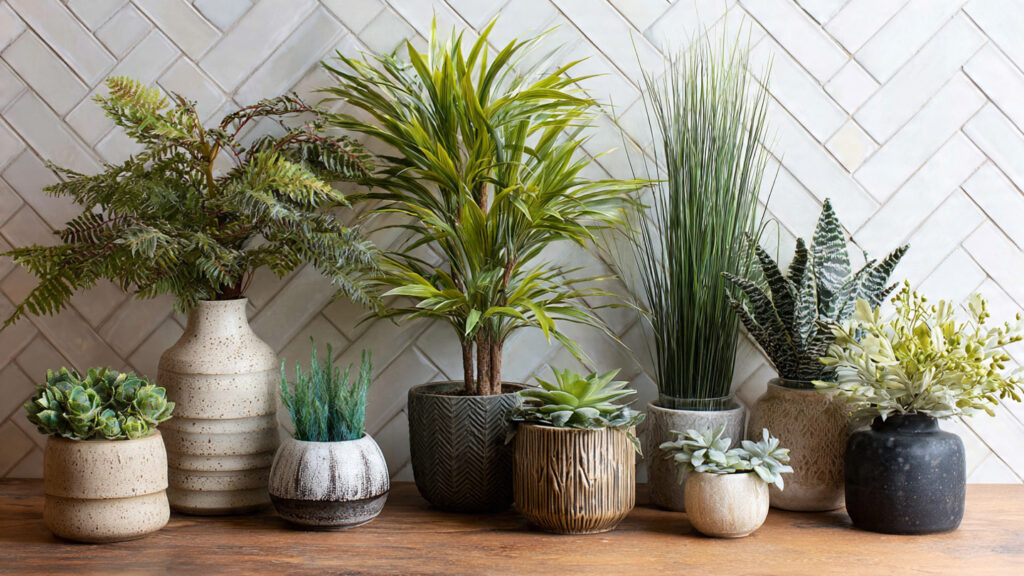
Combining Artificial & Natural Plants
Hybrid approaches offer the best of both worlds:
- Low-Light Zones: Use artificial plants where sunlight is insufficient for natural growth.
- High-Traffic Areas: Artificial greenery withstands wear and reduces constant maintenance.
- Accent Focal Points: Combine real plants with artificial trees or flowers to create visually striking focal areas.
- Seasonal Flexibility: Swap artificial blooms with seasonal real plants for dynamic changes.
Planters and Display Ideas
The right planter or container enhances plant impact:
➡️ How to Grow Malabar Spinach from Cuttings for Fast, Easy Greens
➡️ How to Grow Super Delicious Cabbage at Home Without a Garden
➡️ How to Grow Bean Sprouts at Home in Plastic Bottles Easily (Step‑by‑Step Guide)
➡️ Why is Your Lemon Tree Blooming in the Heart of Winter?
➡️ Why Should Your Garden Have a Dedicated Pollinator Highway?
➡️ Why Do Your Fruit Trees Need a Winter Wash to Thrive in Spring?
➡️ How Can Rice Water Transform Your Fruits into Sweeter Delights?
➡️ Jumpstart Your Winter Garden: Seed Starting Under Lights
- Tiered Planters: Great for balconies and patios, allowing multiple plants in limited space.
- Statement Pots: Oversized planters create visual focus in outdoor gardens or living rooms.
- Hanging Planters: Ideal for trailing plants like pothos, ivy, or petunias.
- Vertical Wall Gardens: Use artificial or natural climbing plants to cover walls or partitions.
- Self-Watering Containers: Ensure consistent hydration, particularly useful for busy homeowners.
Design Trends for 2026
Several plant décor trends are shaping indoor and outdoor spaces in 2026:
- Biophilic Design: Integrating greenery into interiors for natural harmony, including living walls and indoor forests.
- Urban Jungle Aesthetic: Layering a mix of plants of varying heights, textures, and types in both indoor and outdoor spaces.
- Low-Maintenance Hybrid Gardens: Combining artificial and natural plants to balance aesthetics and convenience.
- Smart Planters: Sensors and irrigation systems that monitor soil moisture, light, and temperature for optimal plant health.
- Textured & Sculptural Plants: Statement plants that serve both decorative and architectural purposes.
Maintenance Tips
Even with artificial plants, some upkeep ensures longevity:
- Artificial Plants: Clean dust regularly, protect from extreme UV exposure, and replace faded elements when needed.
- Natural Plants: Water appropriately, prune for shape and health, fertilize periodically, and monitor for pests.
- Hybrid Spaces: Rotate and refresh artificial accents seasonally to maintain freshness alongside natural growth.
Final Thoughts
Creating a thriving plant environment—indoors or outdoors—is about understanding the needs of your space, the demands of your plants, and the lifestyle of the inhabitants. Artificial plants allow flexibility, convenience, and year-round beauty, while natural plants provide authenticity, air quality benefits, and sensory enrichment.
In 2026, the best plant spaces are thoughtfully curated hybrids: a seamless blend of artificial and natural elements that reflect personal style, sustainability, and functionality. Whether you are designing a quiet indoor sanctuary, a vibrant backyard oasis, or a sophisticated terrace garden, this approach ensures lush, healthy, and visually stunning spaces with minimal compromise.