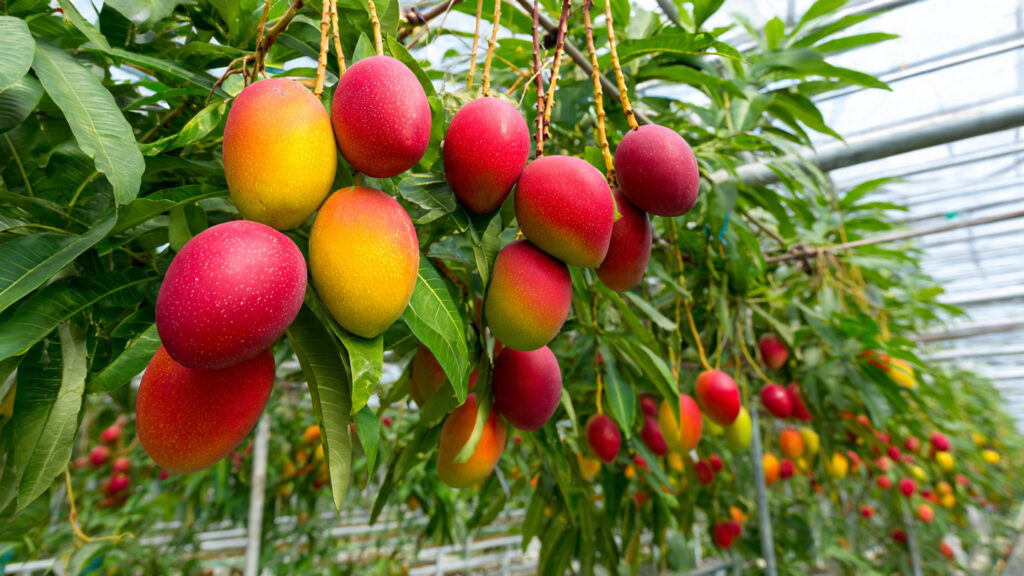
Mangoes, often hailed as the “king of fruits,” are treasured worldwide for their juicy, sweet flavor and nutritional benefits. While tropical climates are ideal for their cultivation, the increasing popularity of exotic mango varieties has led gardeners and horticulturists to ask: Is it possible to successfully grow exotic mangoes in a greenhouse? The answer is yes—but achieving it requires understanding the unique needs of these tropical trees, creating a controlled environment, and applying careful horticultural practices.
Understanding Exotic Mango Varieties
Exotic mangoes, unlike traditional varieties, often come from regions with very specific climatic conditions. Varieties such as Alphonso, Nam Dok Mai, or Honey Gold are prized for their aroma, flavor, and smooth texture. These mangoes require high humidity, stable temperatures, and plenty of sunlight—conditions that can be challenging to replicate outside their native habitat.
Many gardeners fail with exotic mangoes because they underestimate the delicate balance of temperature and humidity these trees need. For greenhouse cultivation, this means creating an environment that mimics tropical conditions as closely as possible.
Why a Greenhouse is Ideal
Greenhouses provide a controlled space where you can manipulate temperature, humidity, light, and soil conditions—elements crucial for exotic mango success. In regions with cold winters or fluctuating weather, a greenhouse allows you to extend the growing season and protect sensitive plants from frost, wind, and pests.
A greenhouse can also help control pest infestations naturally. Mango trees are prone to pests like mealybugs, scale insects, and spider mites. By maintaining proper airflow and humidity, and integrating companion plants or natural predators, greenhouse growers can reduce the need for chemical interventions.
Key Conditions for Growing Mangoes in a Greenhouse
To successfully cultivate exotic mangoes in a greenhouse, attention must be paid to the following factors:
1. Temperature Control
Mango trees thrive in temperatures between 24°C to 30°C (75°F to 86°F). In a greenhouse, maintaining this temperature range consistently is crucial. During winter or cooler months, supplemental heating may be required, while shading or ventilation can prevent overheating in summer.
Tip: Use a digital thermostat and automated vents to regulate greenhouse temperature efficiently.
2. Humidity Management
Exotic mangoes prefer humidity levels around 50–70%. Too low humidity can stress the plant and reduce flowering and fruit set, while excessive humidity can encourage fungal diseases. A combination of misting systems and humidity sensors helps maintain optimal conditions.
3. Lighting Requirements
Mango trees need full sunlight for at least 6–8 hours per day. In greenhouses, especially in regions with limited natural light, supplementing with grow lights ensures the trees receive sufficient energy for photosynthesis and fruit production. LED grow lights are ideal as they provide the right spectrum while being energy-efficient.
4. Soil and Nutrition
Mangoes prefer well-draining soil rich in organic matter. A loamy soil mix with sand and compost provides the necessary structure and nutrients. Regular fertilization with nitrogen, phosphorus, and potassium, along with micronutrients like magnesium and zinc, encourages healthy growth and flowering.
Tip: Avoid overwatering; mango roots are prone to rot in waterlogged conditions.
Choosing the Right Mango Tree for Greenhouse Cultivation
Not all mango varieties adapt well to greenhouse environments. Dwarf or semi-dwarf varieties are ideal because they require less space and can be trained using pruning techniques. Popular options include:
- Cogshall – compact, early-bearing, and highly flavorful.
- Carabao – semi-dwarf, sweet, and aromatic.
- Alphonso – the king of mangoes, though more demanding in terms of humidity and light.
When purchasing saplings, look for healthy, disease-free plants from reputable nurseries. Grafted trees are preferable as they bear fruit faster and maintain the variety’s traits.
Pruning and Training
Pruning is essential for greenhouse mangoes to maintain a manageable size and promote airflow. Remove dead, diseased, or crossing branches regularly, and shape the tree to optimize light penetration. This not only improves fruit quality but also reduces the risk of fungal infections.
➡️ How to Grow Malabar Spinach from Cuttings for Fast, Easy Greens
➡️ How to Grow Super Delicious Cabbage at Home Without a Garden
➡️ How to Grow Bean Sprouts at Home in Plastic Bottles Easily (Step‑by‑Step Guide)
➡️ Why is Your Lemon Tree Blooming in the Heart of Winter?
➡️ Why Should Your Garden Have a Dedicated Pollinator Highway?
➡️ Why Do Your Fruit Trees Need a Winter Wash to Thrive in Spring?
➡️ How Can Rice Water Transform Your Fruits into Sweeter Delights?
➡️ Jumpstart Your Winter Garden: Seed Starting Under Lights
Tip: Use vertical space efficiently by training mangoes in espalier or central leader forms, which allows greenhouse growers to cultivate more trees in limited space.
Pollination in a Greenhouse
Mango trees are naturally pollinated by insects like bees. In a greenhouse, natural pollination may be limited, so hand pollination can significantly improve fruit set. Using a small brush to transfer pollen from flower to flower ensures that flowers are fertilized properly, leading to better yields.
Managing Pests and Diseases
Even in controlled environments, pests and diseases can occur. Common threats include:
- Powdery mildew – thrives in high humidity but low airflow; prevent with good ventilation.
- Anthracnose – affects flowers and young fruits; control with copper-based fungicides if necessary.
- Mealybugs and scale insects – remove manually or use neem oil sprays.
Integrated pest management (IPM) works best in greenhouses, combining environmental control, biological agents, and minimal chemical use.
Watering Strategies
Greenhouse mangoes need a careful watering regimen. The soil should be kept moist but never soggy. Drip irrigation systems are ideal, providing consistent moisture without overwatering. During the flowering and fruiting stages, reduce watering slightly to encourage flower production, but never let the soil dry out completely.
Patience is Key
Growing exotic mangoes in a greenhouse is not a quick process. Most trees take 3–5 years to produce fruit, and success depends on careful attention to their environment and care routines. While it requires dedication, the reward of harvesting your own exotic mangoes in non-tropical climates makes the effort worthwhile.
Benefits of Greenhouse Mango Cultivation
- Year-Round Growth: With a greenhouse, seasonal limitations are minimized, allowing exotic mangoes to grow outside their native tropical regions.
- Higher Quality Fruits: Controlled conditions produce sweeter, juicier, and more aromatic fruits.
- Reduced Pest Pressure: A well-managed greenhouse environment naturally limits pest infestations.
- Space Efficiency: Dwarf varieties and vertical training maximize fruit production in smaller spaces.
Conclusion
Successfully growing exotic mangoes in a greenhouse is not only possible but can be highly rewarding for home gardeners and small-scale horticulturists. By mimicking tropical conditions, carefully monitoring temperature, humidity, and light, and implementing proper pruning, watering, and pest management strategies, gardeners can enjoy the luxury of home-grown exotic mangoes even in non-tropical climates.
While the journey requires patience and commitment, the satisfaction of biting into a sweet, juicy mango grown in your own greenhouse is unmatched. For those willing to invest time and care, exotic mango cultivation can become a fulfilling and fruitful hobby.
With the right approach, greenhouse-grown mangoes can rival their tropical counterparts in taste, aroma, and overall quality, proving that with modern horticulture, distance from the tropics is no longer a barrier to enjoying this tropical delicacy.