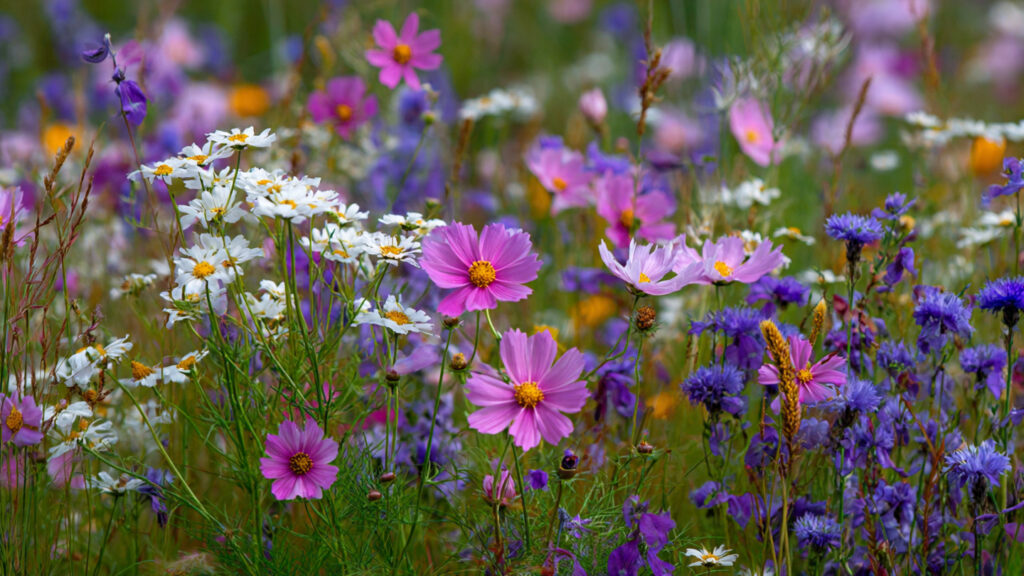
When it comes to designing a garden, many homeowners automatically think of lush, green grass as the ultimate choice. Lawns are traditional, familiar, and visually uniform, but they also come with a host of maintenance requirements—constant mowing, watering, fertilizing, and weed control. An increasingly popular alternative is planting wildflowers, which offers not only aesthetic appeal but also environmental and practical benefits. But is it truly better than grass? Let’s explore the reasons why wildflowers might just be the smarter choice for your garden.
1. Environmental Benefits
One of the most compelling arguments for wildflowers over grass is the positive environmental impact. Traditional lawns can be resource-intensive:
- Lawns require frequent watering, often wasting significant amounts of water, especially in dry climates.
- Fertilizers and pesticides used on grass can leach into groundwater and harm wildlife.
Wildflowers, on the other hand:
- Often thrive with little to no watering once established, making them drought-tolerant and low-maintenance.
- Require fewer chemicals, helping protect pollinators and local ecosystems.
- Provide habitats for insects, birds, and small animals, creating a balanced and vibrant garden ecosystem.
By choosing wildflowers, you’re contributing to biodiversity while reducing your ecological footprint.
2. Low Maintenance vs. High Maintenance
Grass lawns are notorious for their upkeep. Regular mowing, edging, reseeding, and weed control can turn gardening into a chore. Wildflowers, however, require minimal maintenance:
- Once planted, many wildflowers naturally reseed themselves year after year.
- They don’t need frequent mowing—cutting back once at the end of the season is usually sufficient.
- Fertilizers and pesticides are generally unnecessary, reducing both cost and effort.
In short, wildflowers allow you to enjoy a beautiful garden without spending countless hours on maintenance.
3. Aesthetic Appeal
Grass offers uniform green coverage, which some homeowners find appealing for its simplicity. But wildflowers bring color, texture, and movement:
- They bloom in vibrant colors throughout the season, creating a dynamic and visually stimulating landscape.
- Mixed wildflower species produce a natural, meadow-like appearance that changes and evolves over time.
- Pollinators like bees and butterflies add life and motion, enhancing the overall garden experience.
A wildflower garden offers a living artwork that can be far more captivating than a monotonous lawn.
4. Supporting Pollinators and Wildlife
With declining bee populations and other pollinators facing habitat loss, planting wildflowers is an effective way to support local wildlife. Different species of wildflowers bloom at different times, providing a continuous food source for pollinators. Grass lawns, by contrast, offer no nectar or pollen, and are largely lifeless from an ecological standpoint.
By planting native wildflowers, you create a garden that nurtures insects, birds, and even beneficial predators like ladybugs and lacewings, which help control pests naturally.
5. Soil Health and Sustainability
Wildflowers contribute to healthy soil in several ways:
- Their deep root systems help prevent soil erosion and improve water infiltration.
- They enhance soil fertility over time by supporting soil microorganisms.
- Unlike grass, which often relies on chemical fertilizers, wildflowers thrive naturally, promoting a sustainable gardening ecosystem.
Planting wildflowers is a proactive way to build resilient soil that can support a diverse range of plants.
6. Cost Considerations
Maintaining a lawn can be expensive. From mowing equipment to water bills, fertilizers, and pest control, costs quickly add up. Wildflowers, however:
- Require minimal ongoing expenses.
- Can be grown from inexpensive seed mixes.
- Reduce water usage and eliminate the need for chemical inputs.
Investing in wildflowers upfront may save you money in the long term, while also enhancing the beauty and ecological value of your garden.
7. Versatility and Creativity
Wildflowers provide flexibility and creativity that grass lawns simply cannot:
➡️ How to Grow Malabar Spinach from Cuttings for Fast, Easy Greens
➡️ How to Grow Super Delicious Cabbage at Home Without a Garden
➡️ How to Grow Bean Sprouts at Home in Plastic Bottles Easily (Step‑by‑Step Guide)
➡️ Why is Your Lemon Tree Blooming in the Heart of Winter?
➡️ Why Should Your Garden Have a Dedicated Pollinator Highway?
➡️ Why Do Your Fruit Trees Need a Winter Wash to Thrive in Spring?
➡️ How Can Rice Water Transform Your Fruits into Sweeter Delights?
➡️ Jumpstart Your Winter Garden: Seed Starting Under Lights
- You can plant them in large meadows, small borders, or even in vertical spaces using hanging planters or recycled containers.
- Different colors, heights, and bloom times allow you to design a garden that’s both functional and visually striking.
- You can combine wildflowers with shrubs, ornamental grasses, or vegetables for multi-layered, sustainable landscaping.
Grass is uniform and predictable, whereas wildflowers offer an evolving, living canvas.
8. Challenges to Consider
While wildflowers have numerous benefits, they’re not without challenges:
- Some species may take a season or two to establish fully.
- Certain aggressive plants can outcompete others if not monitored.
- Wildflowers may not provide a perfectly uniform surface for activities like playing sports.
However, with proper planning—choosing native species, providing occasional maintenance, and designing pathways—these challenges can be easily managed.
9. Steps to Transition from Grass to Wildflowers
If you’re ready to replace a traditional lawn with a wildflower garden, here’s a step-by-step approach:
- Choose Native Wildflowers: Native species are best adapted to your climate and soil, and they require less care.
- Prepare the Soil: Remove grass and weeds, and loosen the soil to create a welcoming environment for seeds.
- Sow Seeds: Spread wildflower seeds evenly across the area, gently pressing them into the soil.
- Water Initially: Keep the soil lightly moist until seeds germinate. Afterward, wildflowers typically need little watering.
- Monitor Growth: Thin out seedlings if they become overcrowded and remove unwanted weeds.
- Enjoy and Observe: Watch your garden evolve, attracting pollinators and creating a beautiful, low-maintenance landscape.
10. The Verdict: Are Wildflowers Better Than Grass?
Ultimately, whether wildflowers are “better” than grass depends on your goals:
- For low-maintenance, eco-friendly, and visually dynamic gardens, wildflowers clearly have the advantage.
- For play areas, sports lawns, or formal landscaping, grass may still be preferable.
However, the trend is shifting. Many homeowners are choosing mixed landscapes, incorporating patches of wildflowers within or around grassy areas to enjoy the benefits of both.
Conclusion
Planting wildflowers instead of grass offers a compelling combination of beauty, sustainability, and practicality. They conserve water, support pollinators, improve soil health, reduce maintenance, and create a stunning, dynamic garden that changes with the seasons. While grass has its place, wildflowers provide a living, breathing ecosystem that benefits both your garden and the environment.
By replacing even a portion of your lawn with native wildflowers, you can transform your outdoor space into a vibrant, eco-friendly haven—one that delights the eyes, supports wildlife, and reduces the work and cost of traditional gardening.
If you’ve been contemplating a change, now is the perfect time to trade uniform green lawns for colorful, thriving wildflower gardens that bring life, joy, and sustainability to your home.