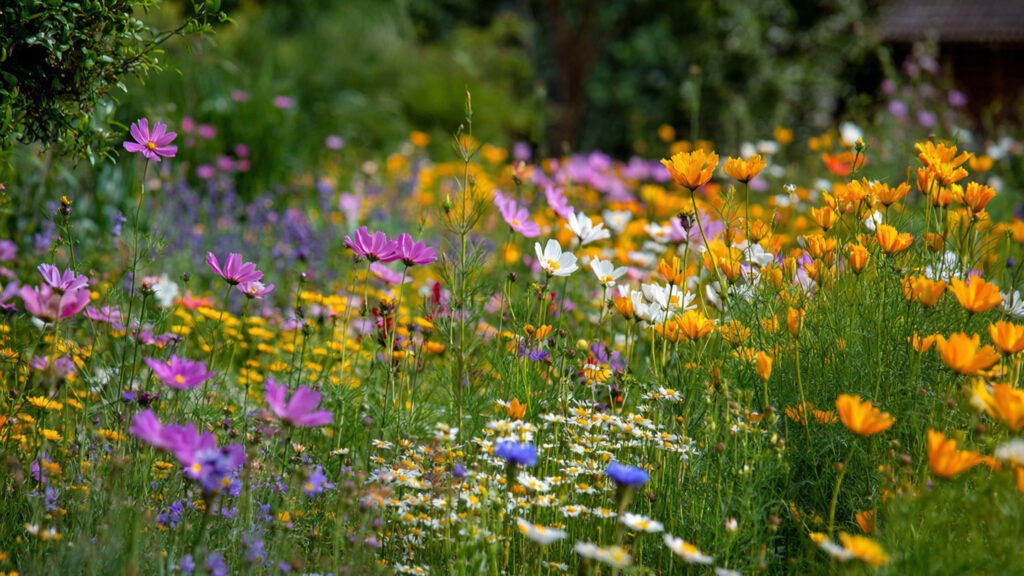
When it comes to designing a garden, many homeowners instinctively think of a lush, green lawn. While traditional grass has long been the standard, more gardeners are now considering wildflowers as an alternative. But is planting wildflowers truly a better choice than grass? From environmental benefits to aesthetics and maintenance, wildflowers offer compelling reasons to rethink your garden design. Here’s everything you need to know to decide whether a wildflower garden is the right choice for you.
1. Environmental Benefits of Wildflowers
One of the strongest arguments for planting wildflowers over grass is their positive impact on the environment.
- Biodiversity: Wildflowers attract a wide range of pollinators, including bees, butterflies, and birds. A traditional grass lawn supports little wildlife in comparison.
- Soil Health: Many wildflower species have deep root systems that improve soil structure, prevent erosion, and increase water retention.
- Reduced Chemical Use: Grass lawns often require fertilizers, herbicides, and pesticides to stay healthy. Wildflowers generally thrive with minimal chemical inputs, reducing environmental contamination.
By planting wildflowers, your garden becomes a small but meaningful ecosystem that supports local wildlife and contributes to a healthier environment.
2. Lower Maintenance Compared to Grass
Maintaining a lush green lawn can be a full-time job. Grass requires regular mowing, watering, fertilizing, and weed control. Wildflowers, on the other hand, can significantly reduce garden maintenance.
- Mowing: Many wildflower meadows only need mowing once or twice a year, primarily to control overgrowth and encourage new blooms.
- Watering: Once established, most wildflowers are drought-tolerant and require far less water than traditional lawns.
- Fertilizers and Chemicals: Wildflowers generally don’t need chemical fertilizers, making them easier to maintain and more environmentally friendly.
For gardeners seeking a low-maintenance and sustainable landscape, wildflowers are an ideal choice.
3. Cost Considerations
Grass lawns can be expensive, both in installation and upkeep. Wildflowers can be a cost-effective alternative.
- Installation Costs: While establishing a wildflower garden requires seed and soil preparation, it is often less expensive than laying sod or maintaining a large lawn.
- Long-Term Savings: Reduced water, fertilizer, and lawn care equipment costs make wildflowers more economical over time.
- Durability: Wildflowers are hardy and adaptable, reducing the need for expensive replacements compared to grass that can die off from pests, drought, or disease.
Choosing wildflowers can save both time and money while providing a beautiful and functional landscape.
4. Aesthetic Appeal
While grass offers a uniform green look, wildflowers provide color, texture, and seasonal variation.
- Vibrant Colors: Wildflower gardens bloom in a spectrum of colors throughout the growing season, creating dynamic visual interest.
- Natural Beauty: The irregular growth patterns of wildflowers add a natural, meadow-like charm to your garden, making it feel more like a peaceful retreat.
- Seasonal Variety: Different species bloom at different times, ensuring that your garden has visual appeal from early spring through late fall.
A wildflower garden can turn your outdoor space into a living canvas, full of movement, color, and life.
5. Wildlife and Pollinator Support
One of the most valuable benefits of planting wildflowers is their ability to support pollinators and other wildlife.
- Bees and Butterflies: Wildflowers provide nectar and pollen, essential food sources for pollinators that are declining worldwide.
- Birds and Small Animals: Seeds, shelter, and nesting sites in wildflower areas attract birds and small mammals, enriching your garden’s ecosystem.
- Pest Control: By encouraging beneficial insects, wildflowers can help naturally control pests, reducing the need for chemical interventions.
Replacing grass with wildflowers transforms your garden into a biodiversity hotspot, helping local species thrive.
6. Soil and Water Management
Grass lawns often require frequent watering and struggle in poor or compacted soils. Wildflowers are more adaptable to diverse conditions.
- Drought Tolerance: Many wildflowers are native to local climates and can survive on rainfall alone once established.
- Soil Improvement: Deep roots break up compacted soil and add organic matter as plants die back, enriching the soil naturally.
- Erosion Control: Wildflowers with extensive root systems help stabilize slopes and prevent soil erosion, unlike shallow grass roots.
For sustainable gardening, wildflowers provide an eco-friendly alternative that conserves water and improves soil quality.
7. Flexibility and Creative Design
Wildflowers allow for creative landscaping possibilities that a traditional grass lawn cannot match.
- Meadow-Style Gardens: Create a natural meadow effect for a casual, whimsical look.
- Mixed Plantings: Combine wildflowers with shrubs, ornamental grasses, or vegetable beds for a layered, multi-use garden.
- Pathways and Borders: Use wildflowers to frame paths, patios, or garden edges, adding interest and color to functional spaces.
The versatility of wildflowers means your garden can be both functional and visually stunning, offering a unique design that reflects your personal style.
➡️ How to Grow Malabar Spinach from Cuttings for Fast, Easy Greens
➡️ How to Grow Super Delicious Cabbage at Home Without a Garden
➡️ How to Grow Bean Sprouts at Home in Plastic Bottles Easily (Step‑by‑Step Guide)
➡️ Why is Your Lemon Tree Blooming in the Heart of Winter?
➡️ Why Should Your Garden Have a Dedicated Pollinator Highway?
➡️ Why Do Your Fruit Trees Need a Winter Wash to Thrive in Spring?
➡️ How Can Rice Water Transform Your Fruits into Sweeter Delights?
➡️ Jumpstart Your Winter Garden: Seed Starting Under Lights
8. Challenges to Consider
While wildflowers offer many advantages, it’s important to understand potential challenges:
- Weed Management: Young wildflower gardens may compete with weeds initially and may require careful monitoring.
- Seed Selection: Choosing species suited to your local climate, soil type, and sunlight conditions is critical for success.
- Patience: Wildflowers may take a season or two to fully establish and bloom consistently.
By understanding these challenges and planning accordingly, you can create a thriving, long-lasting wildflower garden.
9. Integrating Grass and Wildflowers
For gardeners not ready to fully replace their lawns, combining grass and wildflowers is a great compromise.
- Wildflower Borders: Plant flowers along edges, fences, or pathways for color without eliminating the lawn entirely.
- Patchy Lawns: Convert sections of grass to wildflowers to reduce mowing and add biodiversity.
- Seasonal Blooms: Choose annual or perennial wildflowers that complement your lawn for continuous seasonal interest.
This hybrid approach balances traditional lawn benefits with the ecological and aesthetic advantages of wildflowers.
Final Thoughts
So, is planting wildflowers a better choice than grass for your garden? The answer depends on your goals, preferences, and garden environment. Wildflowers provide lower maintenance, environmental benefits, cost savings, vibrant aesthetics, and wildlife support. They improve soil health, reduce water use, and offer endless design possibilities. While grass may still have a place for recreational areas, a wildflower-focused garden delivers long-term rewards for gardeners seeking beauty, sustainability, and ecological harmony.
By embracing wildflowers, you’re not just planting flowers—you’re creating a living, thriving, and resilient garden that benefits both you and the natural world. Whether for full meadow transformation or strategic borders, wildflowers represent a bold and beneficial alternative to traditional lawns. The choice is yours, but for a garden full of life, color, and ecological impact, wildflowers clearly have the edge.