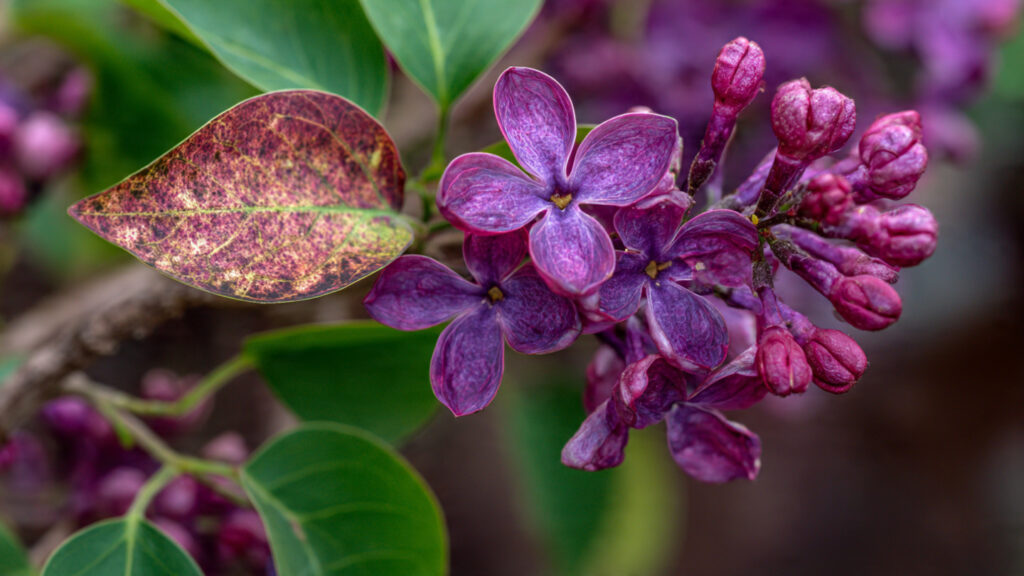
Lilacs (Syringa spp.) are cherished for their fragrant blooms, lush foliage, and vibrant colors, making them a staple in gardens and landscapes worldwide. They are relatively hardy plants, but like all living organisms, they can exhibit signs of stress when their growing conditions are less than ideal. One common symptom that alarms gardeners is brown edges on lilac leaves. While this may seem minor, it can indicate underlying issues that, if left unaddressed, can affect the plant’s health and flowering potential.
In this guide, we’ll explore the possible causes of brown leaf edges on lilacs, how to diagnose them, and the steps you can take to restore your plant’s health. Understanding these warning signs allows gardeners to respond promptly, ensuring that lilacs continue to thrive year after year.
Understanding Leaf Browning
Brown edges on leaves are generally a sign of stress or damage. In lilacs, this can appear as crispy margins, scorched tips, or irregular discoloration along the leaf edges. While brown edges may look purely cosmetic, they often point to water, nutrient, environmental, or disease issues.
Recognizing the patterns and timing of browning is crucial. For example:
- Browning during hot summer months may indicate drought stress or sunburn.
- Browning in spring can be a symptom of fungal disease or frost damage.
- Browning accompanied by curling, spots, or wilting may suggest nutrient deficiencies or pests.
By paying attention to these patterns, you can narrow down the cause and take targeted action.
Common Causes of Brown Edges on Lilac Leaves
Several factors can lead to browning of lilac leaf margins. Understanding the root cause is key to effective treatment.
1. Water Stress
Water is essential for lilacs, but both overwatering and underwatering can cause brown edges:
- Underwatering: Lilacs are moderately drought-tolerant, but prolonged dry conditions cause leaf tips to dry out first, resulting in crispy brown edges.
- Overwatering: Poor drainage or excess water can suffocate roots, reducing water uptake and triggering leaf browning.
Solution: Maintain consistent moisture while ensuring well-draining soil. Deep watering once a week during dry spells is better than frequent shallow watering.
2. Sunburn or Excessive Heat
While lilacs thrive in full sun, extreme heat or sudden exposure to intense sunlight can cause leaf scorch:
- Leaves exposed to harsh afternoon sun may develop brown, crispy margins.
- Newly planted lilacs or transplanted varieties are especially vulnerable.
Solution: Provide temporary shade during heat waves and acclimate young plants gradually to full sun.
3. Nutrient Deficiencies
Lilacs require balanced nutrients for healthy foliage and flowering. Nutrient imbalances can manifest as leaf edge browning:
- Potassium deficiency: Often causes brown, scorched leaf margins.
- Magnesium or calcium deficiency: Can also lead to browning along older leaves.
Solution: Conduct a soil test to identify deficiencies and amend soil with appropriate fertilizers. Balanced fertilizer with potassium and magnesium supports robust foliage and bloom production.
4. Fungal Diseases
Lilacs are susceptible to several fungal infections that can cause leaf discoloration and browning:
- Powdery mildew: Often causes leaf curling, browning, and white powdery coating.
- Leaf blight (Botrytis spp.): Leads to brown spots and eventual browning of leaf edges.
Solution: Remove affected leaves and improve air circulation by pruning crowded branches. Fungicide treatments may be necessary for severe infections.
5. Salt or Chemical Damage
Salt from nearby roads or fertilizers can accumulate in the soil and burn leaf margins:
➡️ How to Grow Malabar Spinach from Cuttings for Fast, Easy Greens
➡️ How to Grow Super Delicious Cabbage at Home Without a Garden
➡️ How to Grow Bean Sprouts at Home in Plastic Bottles Easily (Step‑by‑Step Guide)
➡️ Why is Your Lemon Tree Blooming in the Heart of Winter?
➡️ Why Should Your Garden Have a Dedicated Pollinator Highway?
➡️ Why Do Your Fruit Trees Need a Winter Wash to Thrive in Spring?
➡️ How Can Rice Water Transform Your Fruits into Sweeter Delights?
➡️ Jumpstart Your Winter Garden: Seed Starting Under Lights
- Salt stress prevents water uptake, causing edges to turn brown and crispy.
- Herbicides or improper fertilizer application can produce similar symptoms.
Solution: Flush the soil with water to reduce salt buildup and apply fertilizers carefully following package instructions.
6. Environmental Stress and Frost Damage
Lilacs are hardy but can suffer from environmental extremes:
- Late frost: Leaves that emerge early may get scorched by frost, resulting in brown edges.
- Wind exposure: Constant wind can dehydrate leaves and create brown margins.
Solution: Plant lilacs in sheltered areas, use frost cloths during unexpected cold snaps, and mulch around the base to retain moisture.
7. Pest Damage
Although less common, pests can contribute to browning:
- Aphids, scale, or leaf miners can weaken leaves, causing edges to brown.
- Infestations may also produce sticky residue or distort leaves.
Solution: Inspect leaves regularly. Use insecticidal soap, neem oil, or natural predators like ladybugs to manage infestations.
Diagnosing the Problem
To determine the exact cause of brown edges on lilac leaves:
- Inspect soil moisture: Dig a few inches down to see if soil is dry, soggy, or well-balanced.
- Examine foliage closely: Look for spots, powdery coating, insects, or signs of curling.
- Check environmental conditions: Assess recent weather events, sun exposure, and temperature extremes.
- Evaluate fertilization practices: Consider recent applications or potential salt exposure.
- Prune and observe: Remove affected leaves to see if new growth develops normally.
Keeping a garden journal with notes on watering, fertilization, and environmental conditions helps track patterns and prevent recurring issues.
Treatment and Prevention
Once the cause is identified, targeted action can restore your lilac’s health.
1. Water Management
- Water deeply once or twice a week during dry periods.
- Improve drainage in clay soils with compost or sand.
- Avoid waterlogging by planting in slightly elevated beds.
2. Nutrient Management
- Apply a balanced, slow-release fertilizer in early spring.
- Amend soil with compost, magnesium, or potassium as indicated by soil tests.
- Avoid overfertilization, which can lead to leaf burn.
3. Disease Control
- Remove and destroy infected leaves to prevent spread.
- Prune to improve air circulation.
- Apply fungicides if fungal infection persists, following manufacturer instructions.
4. Pest Management
- Introduce beneficial insects like ladybugs for aphid control.
- Use neem oil or insecticidal soap on affected leaves.
- Monitor plants regularly to catch infestations early.
5. Environmental Protection
- Use frost covers or protective barriers during sudden cold snaps.
- Plant in a location with morning sun and afternoon shade in extreme heat zones.
- Mulch around the base to regulate soil temperature and moisture.
Encouraging Healthy Regrowth
- Prune damaged or dead branches to stimulate fresh growth.
- Maintain consistent care, including proper watering, fertilization, and sunlight exposure.
- Observe the plant’s response over weeks; healthy lilacs will produce vibrant new leaves and blooms in the next growing season.
Patience is key, as recovery may take a full growth cycle depending on the severity of the damage.
Additional Tips for Thriving Lilacs
- Regular pruning: After flowering, remove spent blooms and thin branches to improve air circulation.
- Mulching: Helps retain moisture and keeps soil temperature stable.
- Companion planting: Planting lilacs near herbs or perennials can deter pests naturally.
- Proper spacing: Ensure at least 4–6 feet between plants to prevent overcrowding and disease.
By following these practices, lilacs can maintain vibrant foliage and abundant fragrant blooms.
Conclusion
Brown edges on lilac leaves are a clear signal that your plant may be under stress. While the appearance of brown leaf margins can be alarming, it often indicates issues related to water stress, nutrient deficiencies, environmental factors, disease, or pests. Careful observation, diagnosis, and corrective action can restore the plant’s health and ensure it continues to thrive.
With proper watering, balanced fertilization, disease and pest management, and environmental protection, your lilac will not only recover but flourish, producing lush green foliage and fragrant blooms year after year. Paying attention to these subtle signs allows gardeners to act proactively, keeping lilacs healthy, resilient, and beautiful for decades to come.
Your lilac is trying to communicate through its leaves—listen carefully, respond appropriately, and your garden will reward you with a stunning display of color and fragrance.