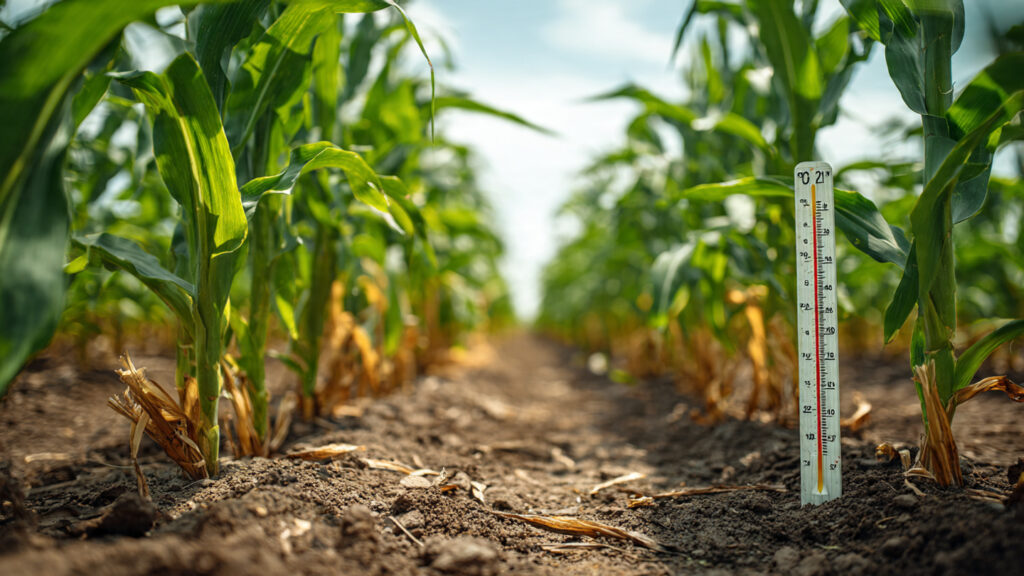
Corn is one of the most popular and rewarding crops for home gardeners. Its sweet, juicy kernels, versatility in cooking, and relatively fast growth make it a staple in many vegetable gardens. However, successful corn cultivation starts long before seeds hit the soil. One critical—but often overlooked—tool is the soil thermometer, which helps gardeners determine whether their soil is truly ready for planting. Using a soil thermometer ensures optimal germination, stronger seedlings, and ultimately, higher yields.
In this article, we’ll explore why soil temperature is so important for corn, how to use a soil thermometer effectively, and additional strategies to prepare your soil for a successful corn harvest.
Why Soil Temperature Matters for Corn
Corn (Zea mays) is a warm-season crop that requires a specific temperature range to germinate and grow well. Unlike some cool-season crops, planting corn too early in cold soil can lead to slow germination, weak seedlings, and crop failure.
Key Soil Temperature Guidelines for Corn:
- Minimum Germination Temperature: 50°F (10°C) – Seeds may sprout, but growth will be slow.
- Optimal Germination Temperature: 60–95°F (16–35°C) – Fast and uniform seedling emergence.
- Ideal Soil for Planting: 65–75°F (18–24°C) – Ensures strong early growth and reduces risk of disease.
Planting corn in soil that is too cold can lead to:
- Rotting seeds due to excessive moisture and slow germination
- Stunted seedlings that struggle to compete with weeds
- Uneven emergence, making crop management and harvesting more challenging
A soil thermometer helps you avoid guesswork and plant corn when conditions are optimal for success.
How a Soil Thermometer Works
A soil thermometer measures the temperature just below the soil surface, giving an accurate reading of conditions where seeds will germinate. Most garden soil thermometers are long, stainless steel probes with easy-to-read dials or digital displays.
Tips for Using a Soil Thermometer:
- Insert 2–4 Inches into Soil: This is the depth at which corn seeds are typically planted.
- Check in Multiple Spots: Soil temperature can vary across your garden; take readings in several locations for consistency.
- Measure in the Morning: Early morning readings give a realistic idea of soil conditions for the entire day.
- Track Over Time: Check soil temperature daily or weekly to identify trends and determine the best planting window.
By using a thermometer, gardeners gain confidence that seeds will germinate properly and avoid the frustrations of premature planting.
Preparing Soil for Corn
Knowing the soil temperature is only part of the equation. Proper soil preparation ensures corn gets off to a strong start.
1. Soil Testing
- Test your soil for pH; corn prefers slightly acidic to neutral soil (6.0–7.0).
- Check nutrient levels, especially nitrogen, phosphorus, and potassium, which are essential for corn growth.
- Amend soil as needed with compost, organic fertilizers, or lime to balance nutrients and pH.
2. Tilling and Aeration
- Loosen soil to a depth of 6–8 inches to allow roots to penetrate easily.
- Remove rocks, weeds, and debris that could impede seedling growth.
- Aerated, well-draining soil warms faster in spring, giving corn seeds an edge.
3. Organic Matter
- Adding compost or well-rotted manure improves soil structure, moisture retention, and fertility.
- Rich, loose soil accelerates seedling emergence and early growth.
Properly prepared soil combined with optimal temperature leads to healthy seedlings and strong stalks.
When to Plant Corn
Planting corn at the right time is critical. While soil temperature is key, gardeners should also consider air temperature and frost risk.
Ideal Planting Conditions:
- Soil temperature: 65–75°F (18–24°C)
- Air temperature: consistently above 50°F (10°C)
- No risk of frost for at least 2–3 weeks after planting
Planting too early may result in seeds sitting dormant in cold, wet soil, while planting too late can reduce the growing season and yield. A soil thermometer gives you the exact information to make the best planting decision.
Techniques to Warm Soil Faster
For gardeners eager to get corn in the ground but facing cooler soil, there are several techniques to accelerate warming:
1. Raised Beds
- Soil in raised beds warms faster than in-ground soil due to better drainage and exposure.
- Planting corn in raised beds can shorten the wait time in spring.
2. Black Plastic or Row Covers
- Covering soil with black plastic absorbs sunlight and raises soil temperature.
- Lightweight row covers protect seedlings from early frost and retain warmth.
3. Mulching
- Organic mulches, like straw, can help maintain stable soil temperatures once seeds germinate.
- Avoid heavy mulches before planting, as they can insulate soil and delay warming.
By combining these strategies with a soil thermometer, gardeners can plant earlier safely and improve overall crop performance.
Planting Techniques for Maximum Success
Once your soil is at the right temperature, proper planting techniques ensure high germination rates and healthy plants:
1. Seed Depth and Spacing
- Plant seeds 1–2 inches deep in rows.
- Space seeds 8–12 inches apart, with rows 30–36 inches apart.
2. Watering
- Keep soil consistently moist until seeds germinate.
- Avoid overwatering, which can cause seeds to rot in cooler soil.
3. Fertilization
- Apply starter fertilizer near seeds if soil nutrient levels are low.
- Side-dress corn with nitrogen when plants are 12–18 inches tall for optimal growth.
4. Thinning
- Once seedlings emerge, thin to the strongest plants to avoid overcrowding.
- Proper spacing promotes airflow, reduces disease, and ensures uniform growth.
Using a soil thermometer, combined with proper planting methods, gives corn the best start possible.
➡️ How to Grow Malabar Spinach from Cuttings for Fast, Easy Greens
➡️ How to Grow Super Delicious Cabbage at Home Without a Garden
➡️ How to Grow Bean Sprouts at Home in Plastic Bottles Easily (Step‑by‑Step Guide)
➡️ Why is Your Lemon Tree Blooming in the Heart of Winter?
➡️ Why Should Your Garden Have a Dedicated Pollinator Highway?
➡️ Why Do Your Fruit Trees Need a Winter Wash to Thrive in Spring?
➡️ How Can Rice Water Transform Your Fruits into Sweeter Delights?
➡️ Jumpstart Your Winter Garden: Seed Starting Under Lights
Monitoring Soil and Plant Health
Even after planting, monitoring soil conditions helps maintain healthy growth.
Tips for Soil and Seedling Care:
- Check soil temperature during heat waves or cold snaps to anticipate stress.
- Monitor moisture levels; corn prefers evenly moist soil for the first few weeks.
- Watch for signs of nutrient deficiency, pests, or disease, and address promptly.
A soil thermometer is not just for planting—it can be a tool for ongoing crop management, helping gardeners respond to environmental changes effectively.
Benefits of Using a Soil Thermometer
Gardeners often ask, “Do I really need a soil thermometer for corn?” The answer is a resounding yes. Key benefits include:
- Optimized Germination: Ensures seeds sprout quickly and uniformly.
- Reduced Crop Loss: Avoids planting in soil that’s too cold or prone to rot.
- Earlier Harvests: Planting at the right temperature can advance harvest dates by weeks.
- Resource Efficiency: Saves seeds, water, and labor by preventing failed plantings.
- Confidence and Precision: Removes guesswork, especially in climates with variable spring temperatures.
For serious gardeners and beginners alike, a simple soil thermometer can make the difference between a mediocre and a bumper corn harvest.
Conclusion
Corn is a rewarding crop, but successful cultivation begins with the soil. Using a soil thermometer to check soil temperature ensures you plant at the optimal time, giving seeds the warmth they need for rapid germination and strong early growth. Combined with proper soil preparation, fertilization, watering, and planting techniques, this simple tool helps gardeners maximize yield, improve plant health, and reduce frustration.
Whether you’re planting a small backyard patch or a larger vegetable plot, taking the time to measure and monitor soil temperature is an investment in success. With a soil thermometer in hand, you’ll know exactly when your soil is ready, giving your corn crop the best possible start and a bountiful harvest.
Planting corn isn’t just about tossing seeds into the ground—it’s about understanding your soil, giving seeds the right environment, and using the tools that make gardening precise and enjoyable. With this knowledge, your corn will grow faster, healthier, and more productive than ever before.