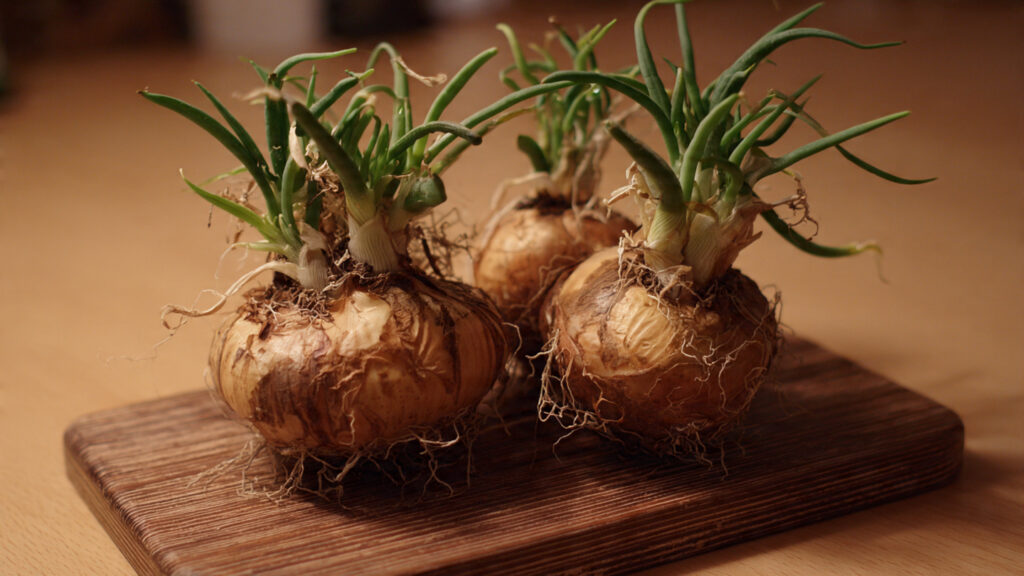
Onions are a staple in kitchens around the world, adding flavor, aroma, and nutrition to countless dishes. Yet, for many gardeners, growing onions can seem intimidating, leading to missed opportunities for fresh, homegrown produce. If you’ve ever wondered, “Why didn’t I know how to grow these onions earlier?”, you’re not alone. The truth is, growing onions at home is surprisingly simple, cost-effective, and incredibly rewarding. Let’s explore why onions are awesome to grow and how you can cultivate them with ease.
Why Onions Are Garden Heroes
Onions aren’t just flavorful—they’re packed with health benefits and are incredibly versatile in the kitchen. Here’s why onions deserve a prime spot in your garden:
- Nutrient-rich: Onions are high in vitamins C and B6, potassium, and antioxidants, which help strengthen the immune system.
- Pest-resistant: The strong aroma of onions naturally deters many garden pests, reducing the need for chemical interventions.
- Easy to store: Once harvested, onions can last for months if stored properly, ensuring a fresh supply all year round.
- Culinary versatility: From sautéing and caramelizing to using raw in salads, onions enhance countless recipes.
With benefits like these, it’s no wonder that discovering how to grow onions can be a game-changer for any gardener.
Choosing the Right Type of Onion
Before planting, it’s essential to select the onion variety that suits your growing conditions and culinary needs. There are three main types of onions:
- Short-day onions: Ideal for regions with mild winters. These onions begin forming bulbs when daylight reaches about 10–12 hours. Popular varieties include ‘Red Creole’ and ‘Texas Super Sweet.’
- Long-day onions: Perfect for northern regions with long summer days. They require 14–16 hours of daylight to form bulbs. Varieties include ‘Walla Walla’ and ‘Yellow Sweet Spanish.’
- Intermediate-day onions: These onions adapt to various daylight conditions and are suitable for most regions. Varieties include ‘Candy’ and ‘Super Star.’
Selecting the right type ensures strong growth, optimal bulb formation, and a more satisfying harvest.
Preparing Your Onion Garden
Onions thrive in loose, fertile soil with excellent drainage. Here’s how to prepare your garden for a successful onion crop:
- Soil preparation: Loosen the soil to at least 8–10 inches and mix in compost or well-rotted manure to improve fertility.
- pH level: Onions prefer slightly acidic to neutral soil (pH 6.0–7.0). You can test your soil and adjust using lime or sulfur as needed.
- Sunlight: Choose a location with at least 6–8 hours of direct sunlight daily. Onions need plenty of light for bulb development.
- Spacing: Plant onions 4–6 inches apart, with rows spaced about 12 inches apart. Proper spacing ensures good airflow, reducing the risk of disease.
Taking the time to prepare your onion garden properly sets the foundation for a healthy, productive harvest.
Planting Onions: Seeds, Sets, or Transplants?
There are three ways to grow onions: from seeds, sets, or transplants. Each method has its advantages:
- Seeds: Growing from seeds gives you the widest variety of onions, but it requires patience, as seeds take 8–10 weeks to develop into seedlings before transplanting.
- Sets: Onion sets are small bulbs planted directly in the soil. They are easier and faster than seeds, often producing bulbs in a single growing season.
- Transplants: These are young onion plants grown from seeds elsewhere and then transplanted. They combine some benefits of both seeds and sets, giving a head start in the season.
For beginners, sets are often the easiest and most foolproof option, allowing you to enjoy onions without the wait.
Caring for Your Onions
Once planted, onions require minimal care, but proper attention ensures larger, healthier bulbs. Here are some essential care tips:
- Watering: Onions need consistent moisture, especially during bulb formation. Water deeply once or twice a week, depending on rainfall. Avoid overwatering, which can cause rot.
- Mulching: Apply a thin layer of organic mulch to conserve moisture, suppress weeds, and maintain even soil temperature.
- Fertilization: Feed onions with a balanced nitrogen-rich fertilizer every few weeks to encourage strong leafy growth and healthy bulbs.
- Weeding: Keep the onion bed free of weeds, which compete for nutrients and can harbor pests.
With proper care, your onions will thrive, rewarding you with flavorful and plump bulbs.
Signs Your Onions Are Ready to Harvest
Knowing when to harvest is crucial. Onions are typically ready when:
- Leaves begin to yellow and fall over: This is the first sign that the bulb has matured.
- Bulb size: Gently lift a few bulbs to check their size; mature onions are firm and fully developed.
- Curing: After harvesting, cure onions by leaving them in a warm, dry, and well-ventilated place for 2–3 weeks. This helps to extend shelf life and enhances flavor.
Properly harvested and cured onions can last for months in storage, giving you a long-term supply of fresh produce.
Common Challenges and How to Overcome Them
Even though onions are generally low-maintenance, gardeners may face a few challenges:
- Pests: Onion maggots and thrips can damage bulbs. Planting companion plants like carrots or chamomile can help deter these pests naturally.
- Diseases: Fungal diseases like downy mildew or onion rot can occur in wet conditions. Ensure good spacing, proper drainage, and avoid overhead watering.
- Bolting: Onions may bolt, producing a flower stalk prematurely. This often happens due to temperature stress or planting the wrong type for your region.
By staying vigilant and addressing issues promptly, you can prevent small problems from ruining your crop.
➡️ How to Grow Malabar Spinach from Cuttings for Fast, Easy Greens
➡️ How to Grow Super Delicious Cabbage at Home Without a Garden
➡️ How to Grow Bean Sprouts at Home in Plastic Bottles Easily (Step‑by‑Step Guide)
➡️ Why is Your Lemon Tree Blooming in the Heart of Winter?
➡️ Why Should Your Garden Have a Dedicated Pollinator Highway?
➡️ Why Do Your Fruit Trees Need a Winter Wash to Thrive in Spring?
➡️ How Can Rice Water Transform Your Fruits into Sweeter Delights?
➡️ Jumpstart Your Winter Garden: Seed Starting Under Lights
Why Growing Your Own Onions Is So Rewarding
Once you’ve grown your first successful onion crop, you’ll wonder why you didn’t start earlier. Here’s what makes homegrown onions truly awesome:
- Flavor superiority: Onions grown at home are fresher and more flavorful than store-bought varieties.
- Cost-effective: Growing onions at home reduces grocery bills and ensures a continuous supply.
- Gardening satisfaction: Watching onions grow from tiny bulbs or seeds into mature, edible produce is deeply satisfying.
- Health benefits: Fresh onions provide higher nutrient content than older store-bought onions.
The joy of harvesting onions you nurtured yourself is incomparable. It’s an experience that turns a simple vegetable into a gardening triumph.
Tips to Make Onion Gardening Even Easier
Here are some additional tips for onion enthusiasts:
- Succession planting: Plant onions at intervals of 2–3 weeks to enjoy a continuous harvest.
- Container gardening: Onions grow well in pots, making them perfect for small spaces, balconies, or urban gardens.
- Use companion plants: Onions pair well with carrots, beets, and lettuce, helping improve soil health and deter pests.
- Experiment with varieties: Try growing different types of onions—red, yellow, or white—to discover your favorites.
These small strategies make onion gardening fun, productive, and less intimidating for beginners.
Conclusion: Don’t Wait Any Longer!
If you’ve ever thought, “Why didn’t I know how to grow these onions earlier?”, now is the perfect time to start. Onions are easy to grow, packed with flavor, and bring a sense of accomplishment to any gardener. From choosing the right variety and preparing your soil to planting, nurturing, and harvesting, the process is both educational and rewarding.
Whether you’re growing in a spacious backyard or a small container, onions are an excellent choice for gardeners of all experience levels. With the tips shared in this guide, you can enjoy fresh, homegrown onions that enhance your meals and elevate your gardening game.
Start your onion garden today and experience firsthand why homegrown onions are truly awesome!