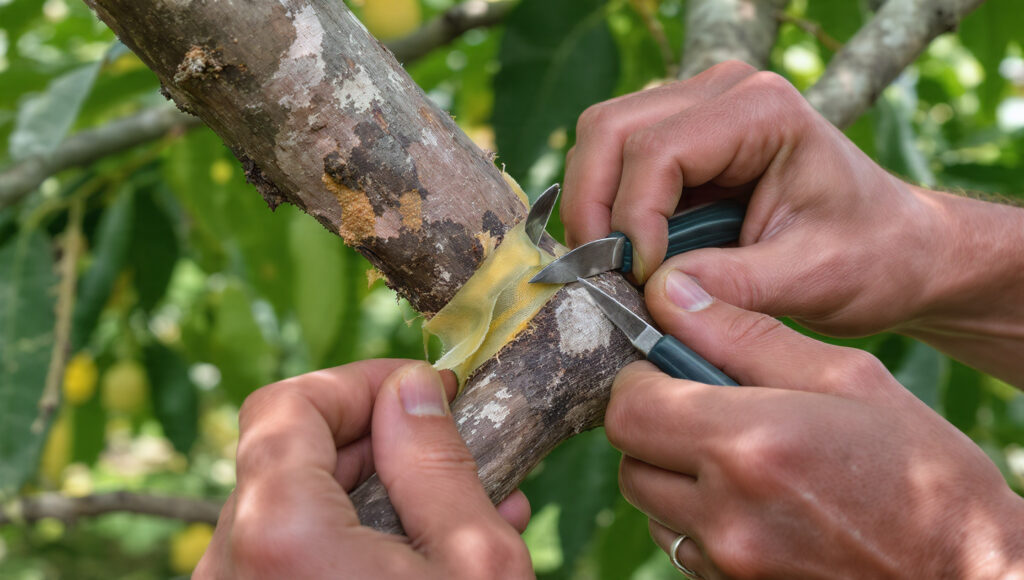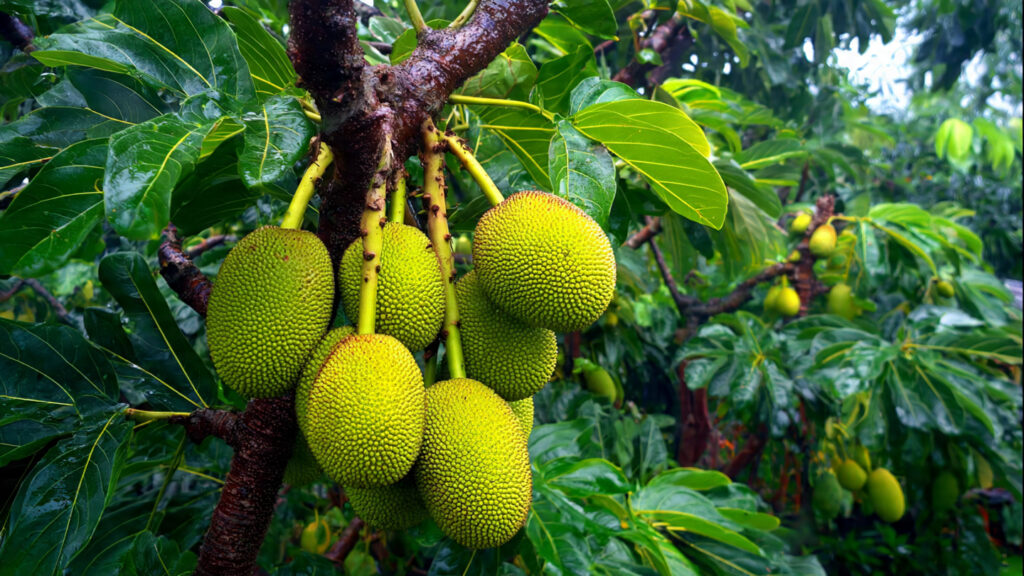
Grafting is one of the most effective ways to propagate fruit trees, and when it comes to jackfruit, this technique can transform the way home gardeners grow this tropical giant. Instead of waiting several years for a tree grown from seed to bear fruit, grafting allows for faster fruiting, uniform quality, and disease resistance. In this guide, we will walk you through the essential steps, tips, and best practices to successfully graft a jackfruit tree in your home garden.
Why Graft Jackfruit Trees?
Jackfruit (Artocarpus heterophyllus) is a tropical fruit tree prized for its enormous fruits and rich flavor. While growing jackfruit from seeds is possible, it comes with several challenges:
- Long Juvenile Period: Seed-grown trees may take 5–7 years or more to bear fruit. Grafted trees can fruit in as little as 2–3 years.
- Unpredictable Fruit Quality: Seedlings may vary in taste, size, and yield. Grafting ensures the offspring has the same characteristics as the parent tree.
- Disease Resistance: Selecting scion wood from a healthy, disease-free tree improves the resilience of the grafted plant.
- Space Efficiency: Grafted jackfruit trees can be trained for compact growth, making them suitable even for home gardens with limited space.
By grafting, gardeners can enjoy high-quality jackfruits sooner while maintaining control over tree health and fruit consistency.
Choosing the Right Rootstock
The rootstock forms the foundation of your grafted jackfruit tree. A strong, healthy rootstock is critical for graft success. Here’s what to consider:
- Age and Size: Select a rootstock that is 6–12 months old with a diameter of about 1–2 cm. Younger rootstocks are easier to graft.
- Health: Avoid trees with signs of disease, pests, or deformities. The rootstock must be vigorous and well-watered.
- Variety Compatibility: While most jackfruit varieties are compatible, ensure that your scion and rootstock are of the same species to avoid graft failure.
Rootstocks can be grown from seeds collected from mature, high-yielding trees. Allow the seedlings to grow for at least 6 months before grafting.
Selecting the Scion
The scion is a small branch taken from a healthy, mature jackfruit tree. It carries the genetic material of the desired fruit variety. Here’s how to choose the best scion:
- Healthy Wood: Look for disease-free branches with a diameter of 0.5–1 cm.
- Recent Growth: Use young, vigorous shoots that are semi-hardwood.
- Fruit Provenance: Select scion wood from a tree known for superior fruit quality.
Cut scion wood early in the morning when the plant’s turgor pressure is high. This helps prevent drying and increases grafting success.
Grafting Techniques for Jackfruit
There are several grafting methods suitable for jackfruit. The most commonly used techniques for home gardeners are cleft grafting, veneer grafting, and approach grafting.
1. Cleft Grafting
Cleft grafting is ideal for rootstocks that are slightly thicker than the scion. It involves the following steps:
- Prepare the Rootstock: Cut the rootstock cleanly at a height of 30–50 cm above ground. Split the cut vertically to create a cleft.
- Prepare the Scion: Trim the base of the scion into a wedge shape to fit the cleft.
- Insert the Scion: Slide the scion into the cleft, ensuring cambium layers of scion and rootstock align.
- Secure and Protect: Wrap the graft union with grafting tape or parafilm. Apply grafting wax to prevent moisture loss.
- Care: Keep the plant in partial shade and water moderately. Remove any shoots below the graft.
Cleft grafting generally shows results within 3–4 weeks if conditions are favorable.
2. Veneer Grafting
Veneer grafting works well for thinner rootstocks and is simpler for beginners:
- Prepare Rootstock: Make a 3–5 cm vertical cut on the rootstock.
- Prepare Scion: Cut a matching slanted cut on the scion.
- Join: Place the scion against the cut on the rootstock, ensuring cambium alignment.
- Wrap and Protect: Use grafting tape and wax. Keep in a shaded area.
Veneer grafting has a high success rate and is suitable for multiple grafts at a time.
3. Approach Grafting
Approach grafting is less common but very effective when rootstock and scion are already established plants:
- Select Matching Branches: Bring the scion branch near the rootstock branch.
- Wound Both Branches: Make small cuts in the cambium of both branches.
- Bind Together: Use grafting tape to hold the branches in close contact.
- Wait for Union: After 2–4 weeks, once the grafted union is stable, cut the original scion stem below the union.
Approach grafting is particularly useful for difficult-to-graft varieties.
Aftercare for Grafted Jackfruit Trees
Proper aftercare is crucial for the success of grafted jackfruit trees. Follow these steps:
➡️ How to Grow Malabar Spinach from Cuttings for Fast, Easy Greens
➡️ How to Grow Super Delicious Cabbage at Home Without a Garden
➡️ How to Grow Bean Sprouts at Home in Plastic Bottles Easily (Step‑by‑Step Guide)
➡️ Why is Your Lemon Tree Blooming in the Heart of Winter?
➡️ Why Should Your Garden Have a Dedicated Pollinator Highway?
➡️ Why Do Your Fruit Trees Need a Winter Wash to Thrive in Spring?
➡️ How Can Rice Water Transform Your Fruits into Sweeter Delights?
➡️ Jumpstart Your Winter Garden: Seed Starting Under Lights
- Watering: Keep the soil moist but not waterlogged. Young grafts are sensitive to drought.
- Shading: Protect the graft from direct sunlight for the first 2–3 weeks.
- Pruning: Remove any shoots from the rootstock below the graft union to direct energy to the scion.
- Pest Management: Monitor for aphids, mealybugs, and fungal infections. Use organic sprays if necessary.
- Support: Stake the grafted plant if needed to prevent wind damage.
With proper care, the grafted scion will begin vigorous growth, signaling a successful union.
Common Problems and Solutions
Even with careful attention, grafting can face challenges:
- Graft Failure: Usually caused by cambium misalignment or drying of the scion. Ensure proper alignment and wrap securely.
- Infections: Fungal or bacterial infections can harm the graft. Apply fungicides or keep the graft area dry.
- Slow Growth: If the scion grows slowly, check for nutrient deficiency and ensure adequate watering.
Learning from minor failures improves technique and increases success in subsequent grafts.
Benefits of Grafted Jackfruit Trees in Home Gardens
For home gardeners, grafting offers numerous advantages:
- Early Fruit Production: Enjoy jackfruit harvests in 2–3 years instead of waiting for seed-grown trees.
- Uniformity: Consistent fruit quality, size, and flavor.
- Compact Growth: Easier to manage in limited space.
- Disease Management: Selecting scions from healthy trees reduces risk of inherited diseases.
Grafted trees are particularly rewarding in urban gardens or small backyards where space and patience are limited.
Tips for Success
To ensure high grafting success, consider these tips:
- Perform grafting during the early growing season (spring or early monsoon) when sap flow is active.
- Always use sharp, sterilized tools to reduce the risk of infection.
- Select healthy, vigorous rootstocks and scions to maximize success rates.
- Monitor humidity and avoid exposing the graft to harsh winds or intense sun.
- Label grafts to keep track of varieties and success rates for future planning.
Conclusion
Grafting a jackfruit tree at home is a rewarding and practical way to accelerate fruit production and improve fruit quality. By choosing healthy rootstocks and scions, using the right grafting techniques, and providing proper aftercare, home gardeners can enjoy high-yielding, disease-resistant jackfruit trees in a fraction of the time it takes to grow them from seed. Whether you are an experienced gardener or a beginner, following this guide will give you the confidence and knowledge to successfully graft jackfruit trees and enjoy fresh, homegrown jackfruits sooner than you ever imagined.