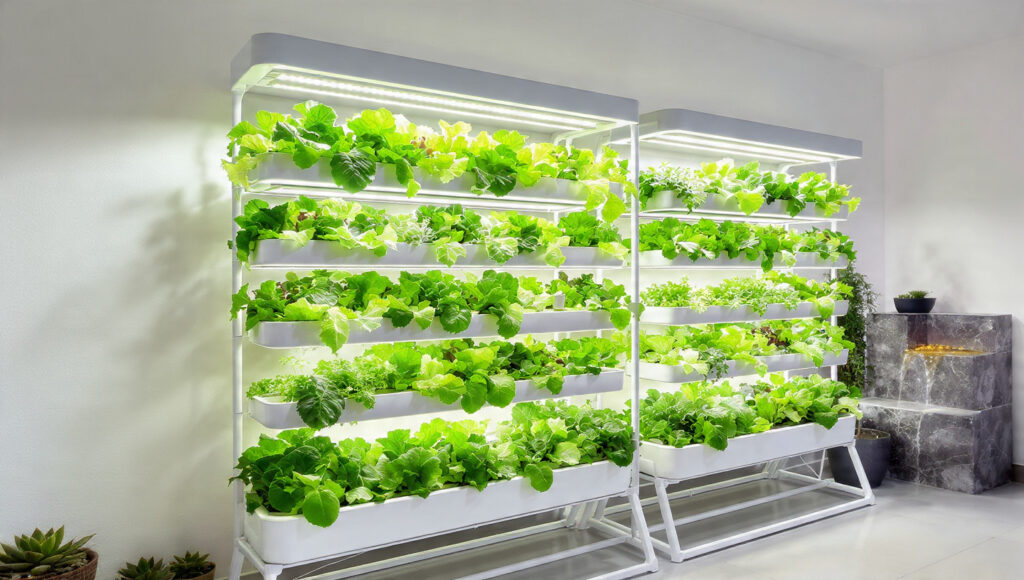
Gardening is often seen as a labor of love—hours spent tilling soil, pulling weeds, battling pests, and worrying about the weather. For many, this is exciting and rewarding, but for others, the very thought of maintaining a garden can be exhausting. What if you could enjoy fresh, homegrown vegetables all year long without a garden, without back-breaking work, and with almost no maintenance? Welcome to the lazy gardener’s paradise—a revolutionary way to grow your own vegetables effortlessly.
Why Choose No-Garden Gardening?
Not everyone has access to a backyard garden. Urban dwellers, apartment residents, and those with limited mobility often miss out on the joys of growing fresh produce. Traditional gardening can also feel intimidating, with its seemingly endless list of requirements: fertile soil, watering schedules, pest control, and seasonal planting.
The no-garden method changes all that. It uses simple, practical techniques to grow vegetables indoors or in small spaces. With a few basic tools, containers, and a little know-how, anyone can enjoy a steady supply of fresh vegetables—even in the tiniest apartment.
The Core Principle: Container and Indoor Gardening
The foundation of no-garden gardening is container gardening. The concept is simple: instead of planting in the ground, vegetables grow in pots, tubs, or other containers. This method offers several advantages:
- Mobility: You can move containers to optimize sunlight or protect plants from harsh weather.
- Soil Control: Avoid poor-quality soil and manage nutrients easily.
- Pest and Disease Management: Raised containers reduce the risk of many soil-borne pests.
- Space Efficiency: Even a balcony, windowsill, or unused corner can become a productive vegetable patch.
Containers can be anything from plastic tubs, buckets, and old crates to hanging baskets or hydroponic setups. The key is proper drainage and choosing containers large enough for the plants you want to grow.
Choosing Low-Maintenance Vegetables
The lazy gardener’s goal is to minimize effort. Not all vegetables are created equal when it comes to convenience. Focus on crops that are easy to grow, forgiving, and high-yielding. Some excellent options include:
- Leafy Greens: Spinach, lettuce, kale, and arugula grow quickly and thrive in small containers.
- Herbs: Basil, parsley, mint, and chives are perfect for indoor gardening and require minimal care.
- Root Vegetables: Radishes, carrots, and beets grow well in deep containers.
- Fruit-bearing Plants: Cherry tomatoes, peppers, and dwarf varieties of cucumbers offer high yields with little fuss.
- Perennial Vegetables: Green onions, garlic, and asparagus can continue producing for months or even years with minimal intervention.
By selecting the right vegetables, you reduce the time and effort needed to maintain your garden while maximizing your harvest.
Soil and Fertilizer Simplified
A major hurdle for many gardeners is soil management. In no-garden gardening, you don’t need complicated soil mixes. A good-quality potting mix with added organic compost or slow-release fertilizer is sufficient. Here’s a simple, low-maintenance soil formula:
- 60% potting mix – provides aeration and retains moisture
- 20% compost – adds nutrients naturally
- 20% perlite or sand – improves drainage
For fertilization, choose slow-release organic pellets. These nourish plants gradually for weeks, eliminating the need for constant feeding. Liquid fertilizers can also be applied once a month for extra growth, but even this is optional for the most resilient crops.
Watering Without Worry
Watering is often the most tedious part of gardening. No-garden gardeners use two clever tricks to minimize effort:
- Self-Watering Containers: These containers have a reservoir at the bottom, allowing plants to absorb water as needed. They drastically reduce the frequency of watering.
- Mulching: Adding a layer of straw, shredded leaves, or coconut coir on top of the soil reduces evaporation and keeps soil moist longer.
For leafy greens and herbs, water once or twice a week depending on temperature and humidity. Fruit-bearing plants may need a little more attention, but self-watering setups make it manageable.
Indoor Gardening Techniques
Indoor gardening not only saves space but also allows for year-round growing. Even apartments without a balcony can support thriving vegetable plants. Here’s how:
- Windowsill Gardening: Choose a sunny window with at least 4–6 hours of sunlight. Herbs, leafy greens, and dwarf peppers do well here.
- Grow Lights: LED grow lights mimic sunlight and are energy-efficient. They allow you to grow vegetables indoors even in low-light conditions.
- Vertical Gardening: Wall-mounted shelves or hanging pots maximize space and create a mini indoor farm. This is ideal for small apartments.
Indoor setups also protect plants from pests, weather extremes, and soil contamination, making them ideal for lazy gardeners seeking a low-maintenance approach.
Hydroponics: The Ultimate No-Maintenance Method
For those willing to invest a little more, hydroponics offers a nearly hands-off approach to growing vegetables. Hydroponic systems grow plants in nutrient-rich water rather than soil, offering several advantages:
- Faster Growth: Nutrients are delivered directly to roots, accelerating growth.
- Year-Round Production: Independent of soil quality or outdoor climate.
- Low Maintenance: Automated hydroponic systems require only occasional topping up of water and nutrients.
Even small, countertop hydroponic units can produce herbs and greens effortlessly. Once set up, these systems are perfect for lazy gardeners who want fresh vegetables with minimal effort.
➡️ How to Grow Malabar Spinach from Cuttings for Fast, Easy Greens
➡️ How to Grow Super Delicious Cabbage at Home Without a Garden
➡️ How to Grow Bean Sprouts at Home in Plastic Bottles Easily (Step‑by‑Step Guide)
➡️ Why is Your Lemon Tree Blooming in the Heart of Winter?
➡️ Why Should Your Garden Have a Dedicated Pollinator Highway?
➡️ Why Do Your Fruit Trees Need a Winter Wash to Thrive in Spring?
➡️ How Can Rice Water Transform Your Fruits into Sweeter Delights?
➡️ Jumpstart Your Winter Garden: Seed Starting Under Lights
Companion Planting for Pests and Growth
Even in container gardens, pests can be a nuisance. To reduce problems naturally, consider companion planting—growing plants together that support each other. For example:
- Basil planted with tomatoes repels certain pests and enhances flavor.
- Marigolds planted near cucumbers or peppers discourage aphids and whiteflies.
- Chives and garlic deter beetles and other small insects.
Companion planting minimizes the need for pesticides and further reduces your maintenance workload.
Harvesting with Minimal Effort
One of the best parts of lazy gardening is harvesting fresh vegetables regularly. With proper container placement and crop selection:
- Leafy greens can be “cut-and-come-again,” allowing you to harvest outer leaves while the inner plant continues to grow.
- Herbs can be snipped as needed, encouraging bushier growth.
- Fruit-bearing plants like cherry tomatoes or peppers ripen gradually, providing a continuous harvest without overwhelming work.
The key is to harvest regularly and use containers large enough to support mature plants without stress.
The Lazy Gardener’s Routine
Maintaining a no-garden garden is easier than you might think. A simple routine ensures maximum yield with minimal effort:
- Weekly Check: Inspect plants for pests, wilt, or nutrient deficiencies.
- Watering: Adjust based on soil moisture; self-watering containers make this nearly automatic.
- Harvesting: Pick ripe leaves, herbs, and fruits regularly.
- Pruning: Minimal pruning may be needed to encourage growth, especially for tomatoes or peppers.
Even with this basic routine, you’ll enjoy fresh vegetables all year long, without the back-breaking labor of traditional gardening.
Benefits Beyond Convenience
The lazy gardener’s approach isn’t just about saving time—it comes with multiple health, environmental, and financial benefits:
- Health: Fresh vegetables are free from pesticides and preservatives. You control what goes into your food.
- Mental Well-being: Indoor plants improve mood, reduce stress, and purify the air.
- Sustainability: Growing at home reduces reliance on packaged produce and lowers your carbon footprint.
- Cost Savings: Container gardening and hydroponics can save hundreds on groceries annually, especially with herbs and salad greens.
It’s the perfect blend of convenience, productivity, and personal satisfaction.
Start Your Lazy Garden Today
You don’t need a garden, a green thumb, or hours of free time to start enjoying fresh vegetables. Begin with a few containers, a handful of seeds, and your choice of easy-to-grow crops. Experiment with indoor setups, self-watering pots, or small hydroponic units. Once you see how effortless it can be, you’ll wonder why you ever thought gardening was hard.
The no-garden, no-maintenance method proves that anyone can be a gardener, even the busiest, laziest, or most inexperienced. By embracing smart planting techniques, low-maintenance crops, and space-saving solutions, you can enjoy homegrown vegetables year-round with minimal effort.
So go ahead—transform your apartment, balcony, or spare corner into a lazy gardener’s paradise. Your future self will thank you for the fresh, flavorful, and worry-free harvests you’ll enjoy all year long.