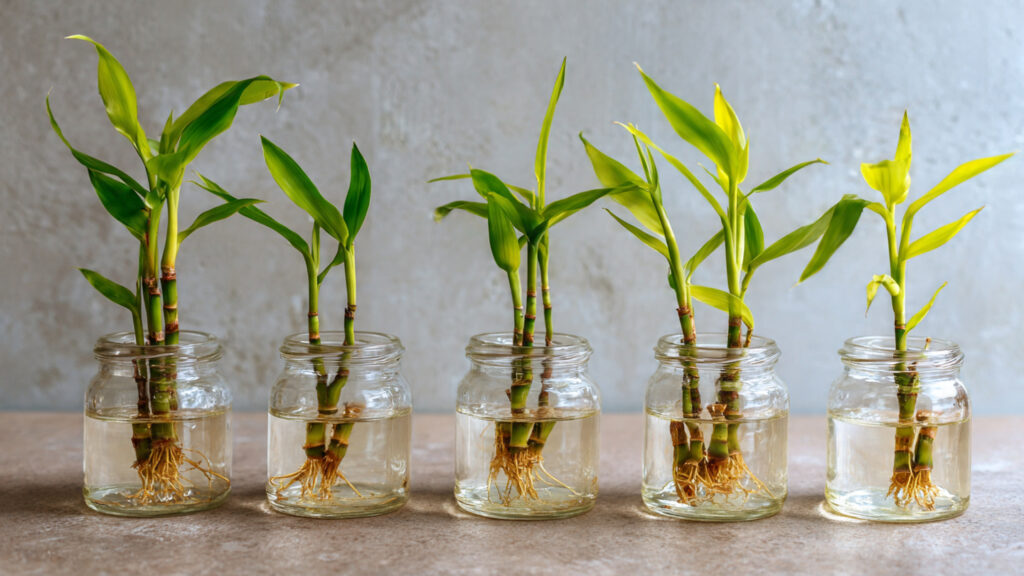
Lucky bamboo, despite its name, is not a true bamboo but a hardy, versatile plant cherished worldwide for its beauty and symbolism. Known for bringing good luck, prosperity, and positive energy, it has become a popular addition to homes, offices, and meditation spaces. One of the most attractive aspects of lucky bamboo is its ease of propagation, especially through the water method, which is simple, effective, and rewarding.
In this article, we will guide you step-by-step through the process of lucky bamboo propagation using water, explain the tools you need, share tips for faster growth, and address common mistakes to avoid. Whether you’re a beginner or an experienced plant enthusiast, this guide will make propagation effortless.
Why Choose the Water Method for Lucky Bamboo?
Lucky bamboo can be propagated in several ways, including soil planting, but the water method is preferred for many reasons:
- Ease and convenience – Water propagation allows you to observe root growth directly, making it easier to monitor progress.
- Lower risk of soil-borne diseases – Soil can sometimes carry fungi or pests that harm the plant, while water reduces this risk.
- Faster root development – Under the right conditions, lucky bamboo cuttings develop roots quickly in water, giving you visible results in just a few weeks.
Using water, you don’t need fancy equipment or complicated techniques—just patience and the right conditions.
Tools and Materials You’ll Need
Before starting your propagation journey, gather these essential items:
- Healthy lucky bamboo stalks – Choose a vibrant green stalk with at least one node (the bump where roots sprout). Avoid yellowed or weak stems.
- Clean container or vase – A transparent glass vase is ideal to observe root development.
- Filtered or distilled water – Tap water with high chlorine can damage the plant. Using filtered water ensures safer growth.
- Sharp scissors or pruning shears – Clean cuts reduce stress on the plant and prevent infection.
- Optional rooting hormone – While lucky bamboo can root in plain water, a rooting hormone can speed up the process.
With these tools ready, you’re all set to begin the water propagation method.
Step-by-Step Guide to Water Propagation
Step 1: Select and Prepare Your Cutting
The first step is choosing a healthy cutting. Look for a stalk with 2–3 nodes, as roots will develop from these nodes. Using sharp scissors, cut just below a node at a 45-degree angle. Remove any leaves near the bottom to prevent rot when submerged in water.
Tip: Avoid cuttings with damaged or dried ends, as these are less likely to thrive.
Step 2: Prepare the Container and Water
Choose a transparent container so you can monitor root growth. Fill it with filtered or distilled water and ensure the water level covers the bottom node of the cutting. Replace the water every 1–2 weeks to prevent stagnation and bacterial growth.
Pro tip: If your tap water contains chlorine, let it sit for 24 hours before use to allow chlorine to dissipate.
Step 3: Submerge the Cutting
Place the cutting upright in the water, making sure the node is fully submerged. Nodes are the critical areas where roots sprout. Avoid submerging too many leaves, as this can lead to decay.
Step 4: Find the Ideal Location
Lucky bamboo prefers indirect sunlight. Direct sunlight can burn the leaves, while too little light slows growth. Place your container in a bright room with filtered light for best results.
Temperature tip: Maintain a moderate room temperature between 65–90°F (18–32°C). Avoid drafty windows or air-conditioning vents, as sudden temperature changes can stress the plant.
Step 5: Monitor and Wait
Patience is key in water propagation. Within 2–4 weeks, you’ll start seeing tiny roots emerging from the nodes. Healthy roots are white or light green, firm, and growing steadily.
Observation tip: Watch for discoloration or slimy roots, which indicate bacterial growth. If this happens, clean the container and replace the water.
➡️ How to Grow Malabar Spinach from Cuttings for Fast, Easy Greens
➡️ How to Grow Super Delicious Cabbage at Home Without a Garden
➡️ How to Grow Bean Sprouts at Home in Plastic Bottles Easily (Step‑by‑Step Guide)
➡️ Why is Your Lemon Tree Blooming in the Heart of Winter?
➡️ Why Should Your Garden Have a Dedicated Pollinator Highway?
➡️ Why Do Your Fruit Trees Need a Winter Wash to Thrive in Spring?
➡️ How Can Rice Water Transform Your Fruits into Sweeter Delights?
➡️ Jumpstart Your Winter Garden: Seed Starting Under Lights
Step 6: Optional: Transition to Soil
Once the roots are 2–3 inches long, you can keep the lucky bamboo in water or transfer it to soil. Planting in well-draining soil offers long-term stability and faster growth. However, many enthusiasts prefer to leave lucky bamboo in water as a decorative and low-maintenance option.
Tips for Faster Growth and Stronger Plants
To ensure your lucky bamboo thrives during water propagation, follow these expert tips:
- Use filtered water – Reduces chemicals that can stunt growth.
- Maintain clean containers – Prevents bacterial or fungal infections.
- Change water regularly – Fresh water nourishes roots and prevents odor.
- Avoid overcrowding – Give each cutting enough space for roots to expand.
- Provide gentle support – If cuttings lean, use small pebbles or sticks to stabilize them.
Common Mistakes to Avoid
Even though water propagation is simple, beginners often make mistakes. Here’s what to watch out for:
- Submerging leaves – Leaves in water decay quickly, causing rot.
- Using dirty containers – Bacteria thrive in unclean vases, leading to unhealthy roots.
- Excessive sunlight – Direct sunlight burns leaves and slows root growth.
- Neglecting water changes – Stagnant water encourages mold and algae, affecting plant health.
By avoiding these pitfalls, your lucky bamboo cuttings are more likely to grow strong and healthy.
Creative Display Ideas for Water-Propagated Lucky Bamboo
Lucky bamboo isn’t just easy to propagate—it also makes a stunning decoration. Here are some ways to display your water-propagated plants:
- Glass jars with decorative stones – Add colored pebbles or marbles for aesthetic appeal.
- Floating bamboo arrangements – Place cuttings in shallow bowls with water and floating ornaments.
- Tiered bamboo displays – Use different heights of cuttings for a layered, dynamic look.
- Zen-inspired setups – Combine bamboo with sand, small rocks, or candles for a calming effect.
These arrangements not only enhance your interior but also create a positive, peaceful atmosphere.
The Benefits of Water-Propagated Lucky Bamboo
Water-propagated lucky bamboo is more than a decorative plant—it offers several benefits:
- Feng Shui advantages – Believed to bring prosperity, health, and positive energy to homes and workplaces.
- Air purification – Like many indoor plants, it can help remove toxins from the air.
- Easy maintenance – Minimal care required, ideal for busy individuals or those new to gardening.
- Fun and educational – Great for children or beginners to learn about plant growth and propagation.
Conclusion
Propagating lucky bamboo using the water method is simple, rewarding, and visually satisfying. With just a few tools, patience, and proper care, you can multiply your bamboo collection and enjoy its beauty and positive energy throughout your home or office.
By following this guide, you’ll avoid common mistakes, encourage faster root growth, and create stunning decorative displays. Whether you choose to keep your lucky bamboo in water or eventually transfer it to soil, you’ll discover how fun and easy propagation can be.
So why wait? Grab a healthy cutting, a clean vase, and start your journey into the world of lucky bamboo propagation today. With the water method, success is just a few weeks away—and so is a touch of luck and serenity in your life.