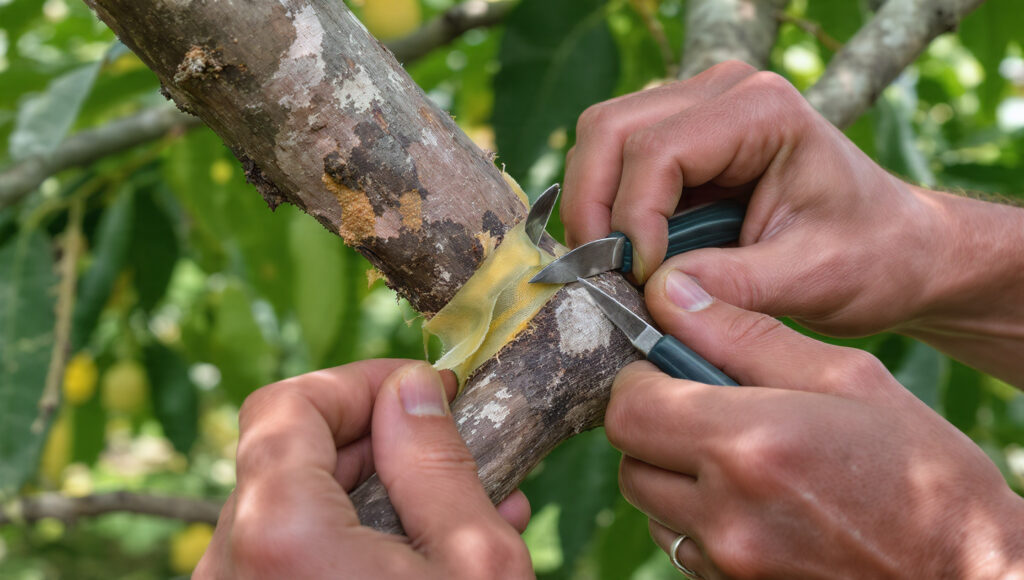
Mangoes, often called the “king of fruits,” are treasured worldwide for their sweet, juicy flavor and rich aroma. Growing mango trees from seeds is rewarding, but it takes years before they bear fruit—and even then, the quality may vary. Enter mango grafting, a proven horticultural technique that allows gardeners to enjoy faster, higher-quality harvests at home. With the right knowledge, tools, and care, you can master mango grafting and enjoy sweet, abundant fruits sooner than you ever thought possible.
Understanding Mango Grafting
Grafting is a horticultural process where a scion (a piece of a desired mango variety) is joined with a rootstock (seedling or young tree) so that they grow together as a single plant. This technique ensures:
- Faster fruiting compared to seed-grown mango trees
- Predictable fruit quality and flavor
- Disease-resistant and vigorous trees
- Ability to propagate rare or superior mango varieties
There are several grafting methods, but cleft grafting and approach grafting are the most popular for home gardeners. Understanding the science behind grafting allows you to achieve healthier, more productive trees.
Choosing the Right Mango Varieties
Successful grafting starts with selecting the right varieties for your home garden:
- Scion Selection
- Choose healthy, disease-free branches from mature, high-yielding mango trees.
- Look for branches with well-formed buds and strong growth.
- Popular home-friendly varieties include Alphonso, Kesar, Haden, Langra, and Banganapalli for sweet, flavorful harvests.
- Rootstock Selection
- Use vigorous seedlings grown from seeds or nursery-bought rootstocks.
- Ensure the rootstock is healthy, pest-free, and well-watered.
- Rootstock selection affects tree vigor, disease resistance, and adaptation to local conditions.
Choosing compatible scion and rootstock is crucial for a successful graft that will thrive in your garden.
Step-by-Step Mango Grafting Guide
Here’s a detailed guide to mastering mango grafting at home:
Step 1: Prepare Your Rootstock
- Select a seedling around 6–12 months old with a strong stem.
- Trim the top of the rootstock to encourage new growth and create a smooth, healthy surface for grafting.
- Water the rootstock well one day before grafting to ensure the plant is hydrated.
Step 2: Prepare the Scion
- Cut a healthy, 10–15 cm scion from a mature mango tree with at least 2–3 buds.
- Make a slanting cut at the base of the scion for maximum contact with the rootstock.
- Keep the scion moist and shaded until ready for grafting.
Step 3: Make the Graft
- Cleft Grafting:
- Split the top of the rootstock using a sharp knife.
- Insert the slanted scion into the split, ensuring the cambium layers of both plants align (this is crucial for successful fusion).
- Secure with grafting tape or plastic wrap to prevent drying and infection.
- Approach Grafting:
- Make a small cut on both the scion and rootstock.
- Bind them together using grafting tape, ensuring good contact between cambium layers.
- Leave the scion attached to the mother plant until the union is strong.
Step 4: Protect and Care
- Cover the grafted area with plastic or wax to retain moisture.
- Keep the plant shaded and well-watered for the first 2–3 weeks.
- Avoid disturbing the graft until it has healed and started producing new growth.
Successful grafting requires patience, precision, and care—but the results are well worth the effort.
Caring for Your Grafted Mango Tree
Once your graft has taken, maintaining healthy growth is essential for faster and sweeter harvests:
Watering
- Water the tree regularly during the first few months, keeping soil moist but not waterlogged.
- Reduce watering during the flowering phase to encourage fruit set.
Fertilization
- Use balanced fertilizers rich in nitrogen, phosphorus, and potassium to promote strong vegetative growth and flowering.
- Add organic compost or well-rotted manure to enrich soil and improve fruit quality.
Pruning
- Prune young grafted trees to encourage branching and open canopy, improving sunlight penetration.
- Remove dead or diseased branches promptly to maintain health.
Pest and Disease Control
- Mango trees may face pests such as mango hoppers, mealybugs, or fruit flies.
- Regularly inspect the plant and use organic sprays or neem oil to protect your tree.
- Prevent fungal infections by avoiding excessive watering and ensuring proper airflow.
Proper care ensures your grafted mango tree thrives, producing abundant, sweet fruits faster than seed-grown trees.
Advantages of Grafting Over Seeds
Why grafting is considered a game-changer for home mango growers:
- Faster Fruiting: Grafted trees often produce fruits within 2–3 years, while seed-grown trees may take 5–8 years.
- Consistent Quality: Fruits from grafted trees are identical to the parent variety, ensuring sweetness, texture, and aroma.
- Disease Resistance: Selecting healthy scions and rootstocks minimizes the risk of disease compared to random seed propagation.
- Space Efficiency: Grafted trees can be pruned to a manageable size, making them suitable for home gardens or terraces.
By mastering grafting, you bypass the uncertainties of seed propagation and enjoy predictable, high-quality harvests.
Harvesting Tips for Maximum Sweetness
The timing and care during fruit development are key to achieving juicy, sweet mangoes:
- Fruit Maturity: Harvest mangoes when the skin color starts to change from dark green to yellow or blush, depending on the variety.
- Sunlight: Ensure fruits receive adequate sunlight, which enhances sugar content and flavor.
- Water Management: Reduce watering slightly a few weeks before harvest to concentrate sugars in the fruits.
- Gentle Handling: Pick mangoes carefully to avoid bruising, which can reduce quality and shelf life.
Following these tips ensures that your home-grown mangoes are as sweet and succulent as store-bought varieties.
Common Mistakes to Avoid
Even experienced gardeners can make mistakes when grafting mangoes:
- Misaligned Cambium Layers: Without proper alignment, the graft will fail. Always double-check before securing.
- Overwatering: Too much water can cause root rot and hinder graft healing.
- Using Weak Scions: Always select strong, healthy branches from a mature mango tree.
- Premature Exposure: Avoid exposing young grafts to harsh sunlight or winds before they have established.
Awareness of these common pitfalls improves your chances of successful grafting and a bountiful harvest.
➡️ How to Grow Malabar Spinach from Cuttings for Fast, Easy Greens
➡️ How to Grow Super Delicious Cabbage at Home Without a Garden
➡️ How to Grow Bean Sprouts at Home in Plastic Bottles Easily (Step‑by‑Step Guide)
➡️ Why is Your Lemon Tree Blooming in the Heart of Winter?
➡️ Why Should Your Garden Have a Dedicated Pollinator Highway?
➡️ Why Do Your Fruit Trees Need a Winter Wash to Thrive in Spring?
➡️ How Can Rice Water Transform Your Fruits into Sweeter Delights?
➡️ Jumpstart Your Winter Garden: Seed Starting Under Lights
Final Thoughts: Master Mango Grafting at Home
Mango grafting is a transformative technique for home gardeners. It allows you to enjoy:
- Faster fruiting compared to traditional seed-grown trees
- Sweet, consistent mangoes from a variety of your choice
- Healthy, disease-resistant trees with long-term productivity
- A rewarding gardening experience that combines skill, patience, and nature’s bounty
By following this step-by-step guide—selecting the right scion and rootstock, performing careful grafts, and maintaining proper care—you can achieve mastery in mango grafting and savor delicious, home-grown mangoes within a few years.
Whether your goal is to grow mangoes in a backyard, garden, or even a large terrace, grafting is the secret to faster, sweeter, and more reliable harvests. Embrace the process, enjoy the journey, and relish the taste of your own home-grown mangoes like never before.
This article is structured with practical steps, detailed care tips, and insights for home gardeners, making it ideal for blogs, gardening websites, or social media content.