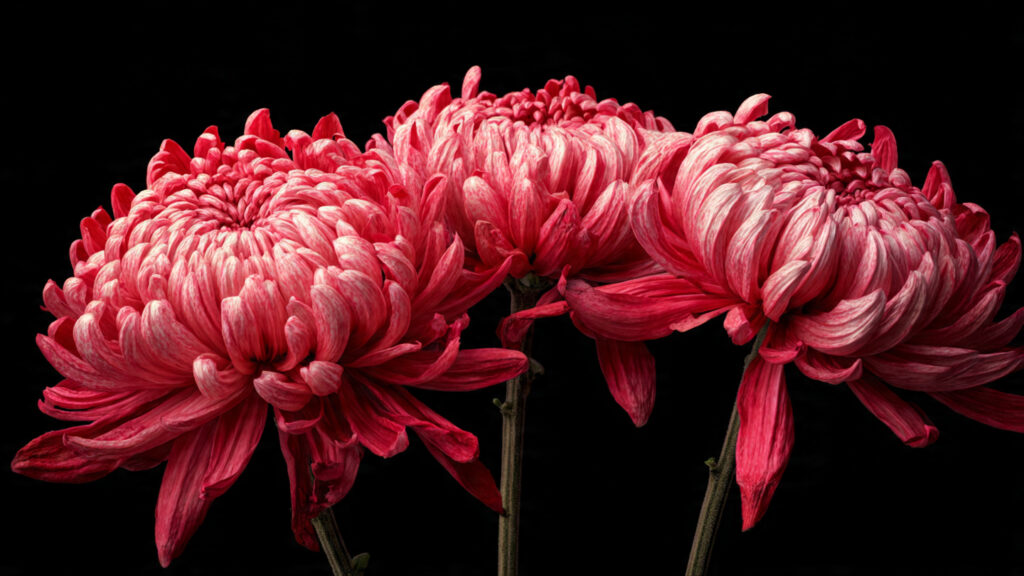
Chrysanthemums (Chrysanthemum morifolium) are among the most celebrated flowering plants for gardeners who crave vibrant autumn blooms. Known for their wide array of colors, textures, and forms, chrysanthemums can transform a garden into a spectacular display of floral beauty. However, achieving early buds for a stunning bloom requires more than just planting—they demand careful attention to pruning, pinching, fertilization, and environmental conditions.
For beginners and experienced gardeners alike, understanding how to encourage early bud formation is key to producing chrysanthemums that bloom fully, beautifully, and on schedule. This guide provides a step-by-step approach to mastering chrysanthemum early buds, from preparation and planting to care, maintenance, and harvesting techniques.
Understanding Chrysanthemum Bud Formation
Chrysanthemums are photoperiodic plants, meaning their flowering is triggered by changes in day length:
- Short-Day Plants: Most chrysanthemums require short days and long nights to initiate bud formation. This typically occurs as summer transitions into fall.
- Bud Development: Buds begin as tiny clusters at the leaf axils. Healthy growth prior to bud formation ensures that these buds develop into large, well-shaped blooms.
- Factors Affecting Buds: Light, temperature, nutrient availability, and pruning all influence early bud formation.
By understanding the plant’s natural flowering cycle, gardeners can manipulate conditions to produce early buds and a more controlled blooming period.
Choosing the Right Chrysanthemum Variety
Not all chrysanthemums are equal when it comes to early bud production. Some varieties are naturally faster to bloom, making them ideal for gardeners seeking early displays:
- Early-Flowering Varieties: ‘Garden Gold,’ ‘Brighton Bronze,’ and ‘Red Emperor’ produce buds sooner than other cultivars.
- Dwarf or Compact Varieties: These plants develop buds quickly and maintain a bushy, manageable shape.
- Pompon Mums: Small, globe-shaped blooms form buds rapidly and are perfect for early displays.
Selecting early-flowering varieties increases the likelihood of producing a spectacular bloom before the peak of fall.
Preparing the Soil for Bud Formation
Chrysanthemums need well-draining, nutrient-rich soil to support early bud growth:
- Soil Type: A loamy soil enriched with compost or aged manure ensures strong root development.
- pH Level: Aim for slightly acidic to neutral soil (6.0–7.0).
- Drainage: Avoid waterlogged soil, which can stunt growth and inhibit bud formation.
- Soil Enrichment: Adding organic fertilizers high in phosphorus encourages flower bud development.
Healthy soil creates a strong foundation for robust vegetative growth, which is essential for early bud formation.
Planting and Spacing Techniques
Proper planting and spacing significantly impact bud development:
- Planting Depth: Plant chrysanthemums at the same depth as they were in pots or nursery beds.
- Spacing: Space plants 18–24 inches apart to allow airflow and light penetration, preventing disease and promoting strong bud formation.
- Sunlight Exposure: Full sun (at least 6–8 hours per day) is critical. Shaded plants produce fewer buds and weaker stems.
Correct planting techniques ensure that each plant receives adequate resources for early bud initiation.
Pinching and Pruning for Early Buds
Pinching and pruning are essential tools for manipulating chrysanthemums to produce early, abundant buds:
Pinching
- Timing: Begin pinching when plants are 6–8 inches tall.
- Method: Remove the top 1–2 inches of the main shoot to encourage lateral branching.
- Frequency: Repeat every 2–3 weeks until mid-summer to develop multiple growth points that will later produce buds.
Pruning
- Summer Pruning: Remove weak, spindly, or diseased stems to redirect energy toward stronger branches.
- Bud Pinching: For early blooms, gardeners can pinch late-developing buds to encourage earlier flowering on primary branches.
By properly pinching and pruning, plants produce a bushier canopy with more sites for early bud development.
Fertilization Strategies
Nutrient management plays a pivotal role in stimulating early buds:
- Nitrogen: Promotes leafy growth in the early stages, establishing a strong framework for buds.
- Phosphorus: Supports flower bud initiation and development; apply phosphorus-rich fertilizer as the plant matures.
- Potassium: Enhances overall plant vigor and bloom quality.
- Frequency: Use a balanced fertilizer every 3–4 weeks during vegetative growth, then switch to a phosphorus-focused feed as buds start forming.
Regular, targeted fertilization ensures that plants have the energy and resources needed for early and healthy buds.
Light Manipulation for Early Bud Formation
Since chrysanthemums are short-day plants, manipulating light can accelerate bud formation:
➡️ How to Grow Malabar Spinach from Cuttings for Fast, Easy Greens
➡️ How to Grow Super Delicious Cabbage at Home Without a Garden
➡️ How to Grow Bean Sprouts at Home in Plastic Bottles Easily (Step‑by‑Step Guide)
➡️ Why is Your Lemon Tree Blooming in the Heart of Winter?
➡️ Why Should Your Garden Have a Dedicated Pollinator Highway?
➡️ Why Do Your Fruit Trees Need a Winter Wash to Thrive in Spring?
➡️ How Can Rice Water Transform Your Fruits into Sweeter Delights?
➡️ Jumpstart Your Winter Garden: Seed Starting Under Lights
- Supplemental Darkness: Cover plants for 12–14 hours each night with blackout cloth to simulate shorter days, inducing early buds.
- Extended Daylight: Avoid too much artificial light at night, which can delay flowering.
- Sunlight Optimization: Ensure that daytime sunlight is consistent and adequate to maximize photosynthesis and energy production.
Light manipulation allows gardeners to control flowering schedules and achieve earlier blooms than would occur naturally.
Watering Techniques
Watering is critical for bud formation and overall plant health:
- Consistent Moisture: Keep soil evenly moist but not waterlogged. Inconsistent watering can stress plants and delay buds.
- Deep Watering: Water deeply at the base to encourage strong root systems.
- Avoid Wetting Foliage: Wet leaves increase the risk of fungal diseases that can affect buds.
- Mulching: Apply mulch to retain soil moisture and maintain a stable temperature.
Proper watering ensures healthy growth and provides the energy needed for early bud initiation.
Temperature Management
Temperature impacts the timing and quality of chrysanthemum buds:
- Optimal Growth: Daytime temperatures of 65–75°F (18–24°C) promote strong vegetative growth.
- Nighttime Temperatures: Slightly cooler nights (55–60°F / 13–16°C) encourage flowering.
- Frost Protection: Protect outdoor plants from late-season frost, which can damage buds and reduce bloom potential.
Maintaining a stable temperature range supports both early bud formation and high-quality blooms.
Supporting Bud Development
Once buds form, additional care helps them develop fully:
- Staking: Support heavy stems to prevent breakage under the weight of buds and flowers.
- Deadheading: Remove any spent flowers to redirect energy to remaining buds.
- Pest Control: Watch for aphids, spider mites, and caterpillars, which can damage buds before they bloom.
- Disease Prevention: Maintain airflow and avoid overhead watering to prevent powdery mildew and other fungal infections.
Careful support and protection ensure that early buds develop into healthy, stunning flowers.
Encouraging Continuous Bloom
- Succession Pinching: Continue pinching laterals in early summer to create additional bud sites for staggered blooms.
- Fertilization Adjustment: Switch to bloom-promoting fertilizer with higher phosphorus content as buds form.
- Light Monitoring: Maintain consistent light exposure to ensure all buds mature simultaneously.
This combination of techniques prolongs flowering, extends the visual display, and ensures a continuous show of blooms.
Harvesting and Displaying Chrysanthemums
- Cutting for Bouquets: Harvest blooms early in the morning for maximum vase life.
- Pinch Early for Display: Select buds that are firm but showing color for an early decorative display.
- Indoor Display: Use vases or floral arrangements to enjoy early blooms indoors before outdoor peak flowering.
Proper harvesting maximizes both aesthetic appeal and the longevity of flowers.
Troubleshooting Common Problems
- Delayed Bud Formation: Often due to insufficient light, over-fertilization with nitrogen, or improper day-length management.
- Spindly Plants: Pinching and pruning too late can result in long stems with fewer buds.
- Fungal Infections: Powdery mildew or leaf spot can reduce bud quantity; improve airflow and avoid wet foliage.
- Pest Damage: Aphids and mites can stunt bud growth; monitor and control pests promptly.
Addressing these issues ensures timely, healthy, and abundant bud formation.
Final Thoughts
Mastering early bud formation in chrysanthemums requires a combination of proper variety selection, precise light and temperature management, consistent watering, and careful pruning. Key strategies include:
- Selecting early-flowering or dwarf varieties for predictable blooms.
- Preparing nutrient-rich, well-draining soil.
- Practicing regular pinching and pruning to encourage lateral growth.
- Managing light exposure to mimic natural short-day conditions.
- Fertilizing strategically to promote bud initiation and bloom quality.
- Maintaining optimal watering, humidity, and temperature.
By following these techniques, gardeners can produce chrysanthemums with abundant early buds, leading to a stunning and prolonged display of flowers. With patience, attention, and the right care, your chrysanthemums will reward you with a spectacular bloom that brightens both indoor and outdoor spaces.