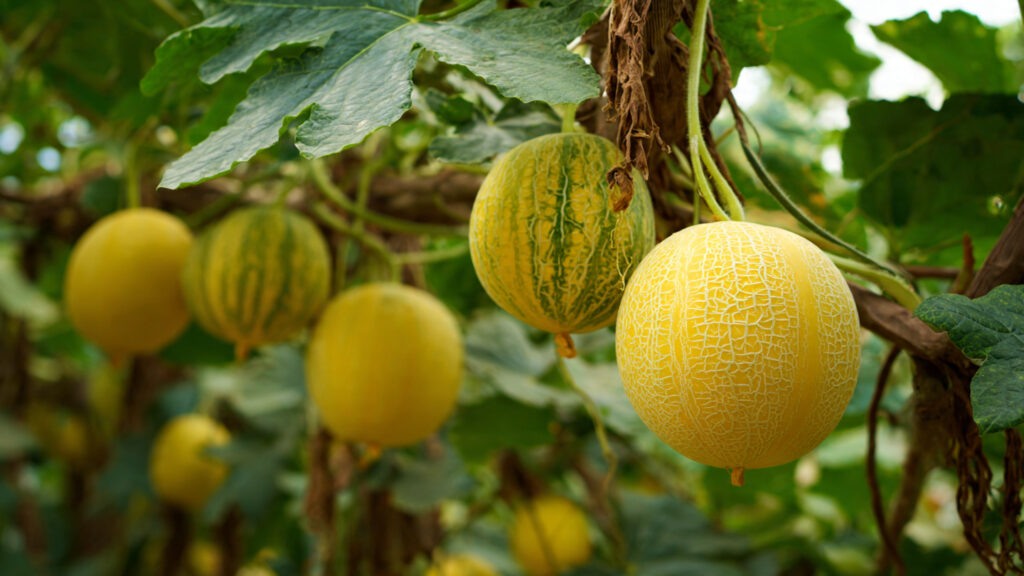
Nothing beats the taste of a juicy, sweet yellow melon harvested straight from your garden. But growing melons successfully takes more than just planting seeds in the soil. From selecting the right variety to ensuring proper pollination, several factors influence the size, sweetness, and overall quality of your fruit. Avoiding common mistakes can dramatically improve your harvest and give you large, flavorful melons that everyone will enjoy. This guide highlights the key mistakes gardeners often make when planting yellow melons and how to prevent them.
Mistake 1: Choosing the Wrong Variety
Not all yellow melons are created equal. There are varieties suited to different climates, growing seasons, and garden spaces. Selecting an unsuitable variety can lead to small, bland fruits or plants that struggle to thrive.
- Check Your Climate: Some yellow melons require long, warm growing seasons, while others mature quickly in cooler climates.
- Know the Growth Habit: Varieties may be vining or bush-type. Vining melons require more space but usually produce larger fruits, whereas bush types are ideal for smaller gardens.
- Research Fruit Characteristics: Look for varieties known for sweetness and large size, such as ‘Golden Honeydew’ or ‘Sunshine Yellow’.
Choosing the right variety sets the foundation for a successful harvest. Don’t compromise on this crucial step.
Mistake 2: Planting Too Early or Too Late
Timing is everything when growing yellow melons. Planting too early exposes seedlings to cold soil and frost, which can stunt growth or kill young plants. Planting too late shortens the growing season, resulting in underdeveloped fruits.
- Ideal Soil Temperature: Melons thrive in soil that is at least 70°F (21°C).
- Avoid Frost: Frost can damage delicate seedlings. In cooler regions, start seeds indoors and transplant after the last frost.
- Monitor Weather Patterns: Consistent warm days and nights are essential for fruit development.
Proper planting timing ensures healthy seedlings that grow into strong, fruit-bearing plants.
Mistake 3: Ignoring Soil Preparation
Yellow melons are heavy feeders. Planting in poor or improperly prepared soil is a common mistake that leads to small, tasteless fruits.
- Soil Type: Melons prefer loose, well-draining soil rich in organic matter. Sandy loam is ideal.
- Soil pH: A slightly acidic to neutral pH (6.0–6.8) encourages nutrient uptake.
- Nutrient Preparation: Incorporate compost or well-rotted manure into the soil before planting. Avoid excessive nitrogen, as this promotes leafy growth at the expense of fruit development.
Taking time to prepare your soil can significantly improve fruit size, sweetness, and plant health.
Mistake 4: Planting Too Close Together
Crowding melon plants restricts airflow, increases competition for nutrients, and can lead to smaller fruits or disease.
- Spacing Recommendations: Provide at least 2–3 feet between bush-type plants and 4–6 feet between vining types.
- Air Circulation: Adequate spacing reduces humidity around foliage, minimizing fungal diseases such as powdery mildew.
- Sunlight Access: Proper spacing ensures all plants receive sufficient sunlight, which is crucial for photosynthesis and fruit sweetness.
Remember: giving your melons room to breathe is essential for producing large, sweet fruits.
Mistake 5: Overwatering or Underwatering
Water management is critical for melon growth. Both overwatering and underwatering can negatively affect fruit size, texture, and sweetness.
- Consistent Moisture: Keep the soil evenly moist, especially during flowering and fruit development.
- Avoid Waterlogging: Excess water can lead to root rot and nutrient leaching.
- Watering Schedule: Deep, infrequent watering encourages strong root systems. Avoid frequent shallow watering, which creates weak roots.
- Mulching: Applying organic mulch helps retain soil moisture and regulates temperature.
Proper watering ensures melons develop full, juicy flesh instead of small, dry fruits.
Mistake 6: Neglecting Pollination
Yellow melons rely on pollinators, like bees, to produce fruit. Without proper pollination, flowers may remain unfruitful or produce misshapen melons.
- Attract Pollinators: Plant flowers that attract bees nearby, such as marigolds, sunflowers, or cosmos.
- Hand Pollination: In areas with few pollinators, gently transfer pollen from male to female flowers using a small brush.
- Timing of Pollination: Morning hours are ideal for hand pollination, as flowers are fully open and pollen is fresh.
Strong pollination habits lead to larger, evenly shaped, and sweeter fruits.
Mistake 7: Ignoring Pest and Disease Management
Melons are susceptible to pests like aphids, cucumber beetles, and spider mites, as well as diseases like powdery mildew and fusarium wilt. Ignoring these threats can reduce fruit quality and yield.
- Regular Inspection: Check leaves, stems, and fruits for early signs of pests or disease.
- Natural Controls: Encourage beneficial insects, like ladybugs, to control aphids.
- Fungicide or Organic Solutions: For fungal issues, apply appropriate organic fungicides or neem oil.
- Crop Rotation: Avoid planting melons or other cucurbits in the same soil consecutively to reduce disease buildup.
Managing pests and diseases ensures your melons reach full size and maximum sweetness.
➡️ How to Grow Malabar Spinach from Cuttings for Fast, Easy Greens
➡️ How to Grow Super Delicious Cabbage at Home Without a Garden
➡️ How to Grow Bean Sprouts at Home in Plastic Bottles Easily (Step‑by‑Step Guide)
➡️ Why is Your Lemon Tree Blooming in the Heart of Winter?
➡️ Why Should Your Garden Have a Dedicated Pollinator Highway?
➡️ Why Do Your Fruit Trees Need a Winter Wash to Thrive in Spring?
➡️ How Can Rice Water Transform Your Fruits into Sweeter Delights?
➡️ Jumpstart Your Winter Garden: Seed Starting Under Lights
Mistake 8: Not Pruning or Supporting Vines
Vining melon varieties can produce more abundant and larger fruits with careful pruning and support.
- Prune Excess Vines: Remove smaller side shoots to focus energy on developing main fruits.
- Support Vines: Use trellises, nets, or stakes to elevate vines, improving airflow and reducing the risk of rot.
- Fruit Thinning: Limit the number of fruits per vine to allow remaining melons to grow larger and sweeter.
Pruning and support practices help your melon plants focus energy on producing fewer, higher-quality fruits.
Mistake 9: Harvesting Too Early or Too Late
Even perfectly grown melons can disappoint if harvested at the wrong time. Picking too early results in hard, bland fruits; waiting too long can cause overripe, mushy melons.
- Signs of Ripeness: Look for a yellow skin color, a sweet aroma at the blossom end, and a slight softness near the stem.
- Cucurbit Tendril Check: The tendril closest to the fruit often dries and turns brown when the melon is ripe.
- Timing: Harvest in the morning or evening to avoid heat stress, especially in hot climates.
Proper harvesting ensures your melons reach peak sweetness and optimal texture.
Mistake 10: Forgetting Post-Harvest Care
Even after harvesting, how you handle melons affects their flavor, shelf life, and safety.
- Curing: Let freshly harvested melons sit at room temperature for a few days to allow sugars to develop fully.
- Storage: Store ripe melons in a cool, ventilated area or refrigerate to prolong freshness.
- Handling: Avoid dropping or bruising melons, as damaged spots can rot quickly.
Good post-harvest practices preserve the quality of your hard-earned fruits.
Final Thoughts
Growing large, sweet yellow melons requires attention to detail, patience, and careful planning. By avoiding these common mistakes—choosing the right variety, planting at the correct time, preparing the soil, spacing plants properly, managing water, ensuring pollination, controlling pests, pruning, harvesting correctly, and handling fruits carefully—you can dramatically improve your melon harvest.
Remember that successful melon cultivation combines proper technique with observation. Each garden has its unique conditions, so adapt these tips to your local climate, soil, and pollinator availability. With the right approach, your garden can produce juicy, golden yellow melons that are sweet, flavorful, and the pride of your summer harvest.
Growing melons is rewarding, and avoiding these pitfalls ensures that every bite of your garden-grown fruit is a sweet success.