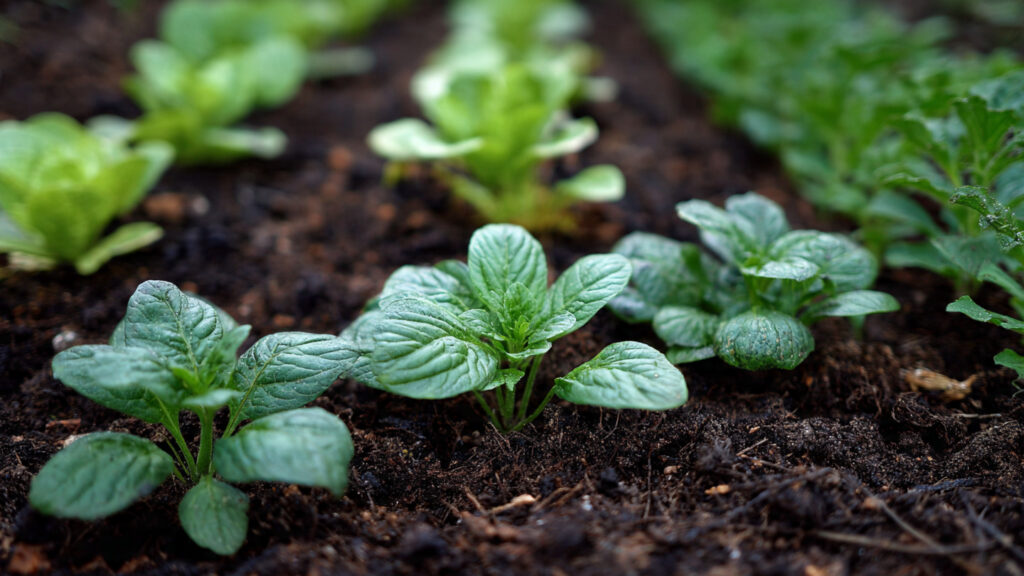
Every passionate gardener knows that thriving plants start from the ground up. Healthy, robust soil is the foundation of any successful garden, whether you’re growing vibrant flowers, nutritious vegetables, or luscious fruit trees. Just as humans benefit from morning routines that energize the body and mind, your garden soil can also thrive when nurtured with consistent morning rituals. By dedicating a few morning moments to soil care, you can significantly boost soil strength, fertility, and overall garden health.
Why Morning Matters in Gardening
Morning is not just a peaceful time for humans; it’s a perfect period for gardening activities. The soil in the early hours is cool and retains moisture from the night, making it ideal for interventions such as watering, mulching, and applying amendments. Furthermore, morning sun is gentle enough not to stress plants or microorganisms that inhabit your soil. Engaging with your garden at this time allows you to establish a rhythm that benefits both you and the soil ecosystem.
Understanding Soil Strength
Before diving into morning rituals, it’s crucial to understand what “soil strength” really means. Strong soil is rich in nutrients, well-aerated, and teeming with beneficial microorganisms. It has good structure and texture, allowing water and air to penetrate deeply while supporting root development. Weak soil, on the other hand, may be compacted, nutrient-poor, or prone to erosion. Strengthening soil is not a one-time task—it requires consistent care and attention.
1. Early Morning Observation
Start your morning ritual with a simple walk through your garden. Observe the soil’s condition—its moisture, texture, and smell. Is it dry or damp? Is it hard or crumbly? Checking for early signs of pests or fungal infections is also easier in the morning when dew highlights stressed areas. This observation not only helps you identify problems early but also strengthens your connection with the land, making soil care a mindful practice rather than a chore.
Tips for Observation:
- Carry a small notebook to jot down notes on soil health.
- Look for color changes, compaction, or pooling water.
- Note areas where plants appear stressed, as this often points to weak soil underneath.
2. Gentle Morning Watering
Watering is one of the most critical soil-strengthening practices, and the morning is the ideal time. Cool morning watering prevents evaporation, allowing moisture to penetrate deeper into the soil. This encourages healthy root growth and activates soil microbes essential for nutrient cycling. Avoid watering in the scorching midday sun, which can harm soil structure and promote fungal growth.
Watering Guidelines:
- Use a drip irrigation system or a watering can for precision.
- Water slowly to allow deep soil absorption.
- Focus on areas that appear dry or compacted.
3. Mulching for Soil Protection
Morning is also the perfect time to apply or refresh mulch. Mulch acts as a protective blanket, retaining soil moisture, regulating temperature, and preventing erosion. Organic mulches, such as straw, wood chips, or compost, decompose over time, enriching the soil with nutrients and improving its structure. Incorporating this ritual into your morning gardening routine ensures that your soil remains resilient and fertile.
Mulching Tips:
- Spread a 2–4 inch layer around plants but avoid piling directly against stems.
- Use locally available organic materials to reduce costs.
- Refresh mulch weekly or as needed after rainfall or wind.
4. Soil Aeration and Loosening
Compacted soil restricts root growth and water infiltration. Morning is an ideal time to gently aerate or loosen soil using hand tools or a garden fork. Aeration improves oxygen flow to roots and stimulates microbial activity, strengthening the soil’s ecosystem. Light tilling can also help mix organic matter evenly into the soil, enhancing fertility.
Aeration Tips:
- Aerate in small sections to avoid disturbing too much soil at once.
- Focus on beds with heavy clay or compacted areas.
- Avoid over-tilling, which can damage soil structure.
5. Compost and Organic Amendments
Adding compost or other organic soil amendments in the morning helps boost soil nutrients when the temperature is moderate. Compost not only enriches soil with essential elements like nitrogen, phosphorus, and potassium but also promotes the growth of beneficial microorganisms. These microbes improve soil structure, suppress pathogens, and increase nutrient availability for plants.
Composting Tips:
- Use well-decomposed compost for immediate soil benefits.
- Mix compost gently into the top 2–3 inches of soil.
- Rotate different types of organic amendments, such as worm castings or leaf mold, to maintain soil diversity.
6. Morning Weeding for Soil Health
Weeds compete with plants for nutrients, water, and light. Tackling weeds in the morning is easier because soil is soft and moisture-rich, allowing roots to come out completely. Removing weeds early prevents them from seeding and depleting soil nutrients, giving your cultivated plants a better chance to thrive.
Weeding Tips:
- Pull weeds gently to avoid disturbing soil structure.
- Mulch after weeding to prevent regrowth.
- Identify persistent weeds and consider preventive measures like ground covers.
7. Encouraging Beneficial Microbes
Healthy soil is alive with beneficial bacteria, fungi, and earthworms. Morning soil rituals can enhance microbial activity. Adding compost tea, organic fertilizers, or even a thin layer of garden-friendly mulch encourages microbes to flourish. These microorganisms break down organic matter, release nutrients, and improve soil structure, directly contributing to soil strength.
Microbe-Boosting Tips:
- Prepare compost tea early in the morning for maximum microbial activity.
- Avoid chemical fertilizers that harm beneficial organisms.
- Introduce organic matter gradually to maintain balance.
8. Gentle Sun Exposure
While morning sunlight is mild, it helps activate soil microbes and warms the soil for optimal nutrient cycling. Exposing soil briefly to early sun after weeding or mulching can boost microbial activity, enhancing decomposition and nutrient release. Remember, overexposure during hot hours can harm soil and plant roots.
9. Mindful Soil Care Ritual
Lastly, consider incorporating mindfulness into your morning soil care. This doesn’t just benefit your mental health; studies show that mindful gardening improves observation, reduces mistakes, and promotes sustainable practices. Touch the soil, notice its texture, smell its richness, and connect with the life teeming beneath your feet. When you treat soil with care and awareness, it often responds in kind, producing stronger, healthier plants.
10. Consistency is Key
Morning rituals for soil strength are most effective when practiced consistently. Daily or regular engagement helps you spot problems early, ensures adequate moisture and nutrients, and gradually improves soil structure. Even spending 15–30 minutes each morning checking and nurturing soil can lead to a significant long-term difference in garden productivity.
Bonus Tips for Supercharging Soil Strength
- Crop Rotation: Avoid planting the same species repeatedly in the same spot to prevent nutrient depletion.
- Cover Crops: Planting legumes or clover can naturally add nitrogen to the soil.
- Avoid Heavy Foot Traffic: Protect soil from compaction by using designated pathways.
- Soil Testing: Regularly test your soil to identify deficiencies and tailor amendments.
Conclusion
Transforming your garden soil into a strong, fertile foundation doesn’t require complex machinery or expensive chemicals—just a commitment to mindful, consistent morning care. By observing, watering, mulching, aerating, and feeding your soil in the early hours, you create an environment that promotes healthy roots, flourishing plants, and resilient garden ecosystems. Morning rituals not only enhance soil strength but also deepen your connection to nature, turning everyday gardening into a rewarding and holistic practice.
By dedicating a little time each morning, you set the stage for abundant harvests, beautiful blooms, and a garden that thrives year after year. Remember, strong soil makes strong plants—and strong plants make a strong gardener’s heart.
➡️ How to Grow Malabar Spinach from Cuttings for Fast, Easy Greens
➡️ How to Grow Super Delicious Cabbage at Home Without a Garden
➡️ How to Grow Bean Sprouts at Home in Plastic Bottles Easily (Step‑by‑Step Guide)
➡️ Why is Your Lemon Tree Blooming in the Heart of Winter?
➡️ Why Should Your Garden Have a Dedicated Pollinator Highway?
➡️ Why Do Your Fruit Trees Need a Winter Wash to Thrive in Spring?
➡️ How Can Rice Water Transform Your Fruits into Sweeter Delights?
➡️ Jumpstart Your Winter Garden: Seed Starting Under Lights