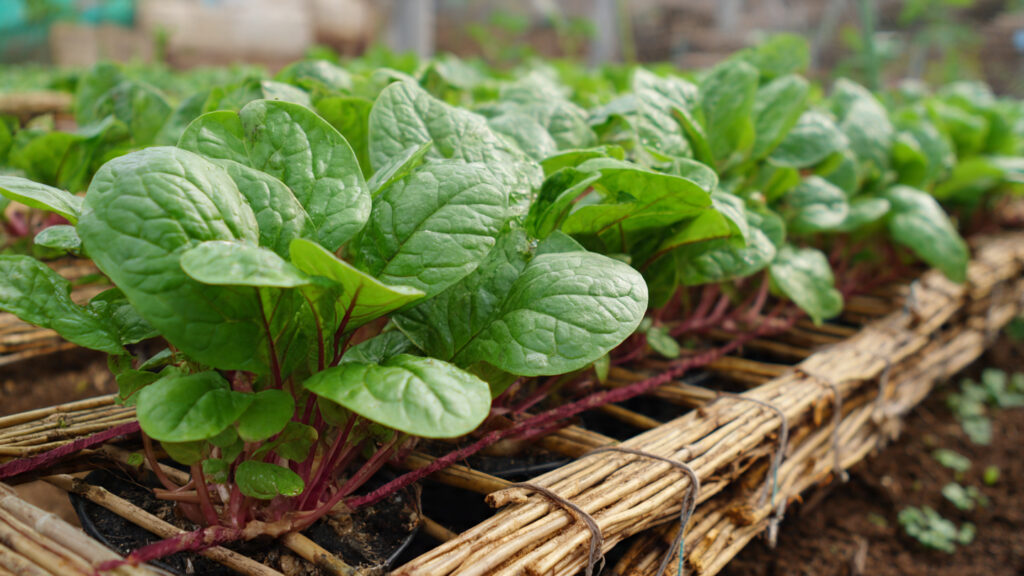
Malabar spinach (Basella alba and Basella rubra) has been captivating gardeners and chefs alike for centuries. Unlike traditional spinach, this tropical vine thrives in heat, grows rapidly, and produces lush, nutrient-rich leaves that are perfect for salads, stir-fries, and soups. One of its most remarkable features is its ability to grow quickly even in relatively dry conditions, which has sparked curiosity among scientists and gardeners about the mechanisms behind this impressive adaptability.
This article explores the secrets behind Malabar spinach’s drought resilience, explains why it grows so fast even without constant watering, and provides practical tips for gardeners looking to cultivate this vibrant, low-maintenance leafy green in their own home gardens.
Understanding Malabar Spinach
Malabar spinach is a fast-growing vine native to tropical Asia and Africa. Unlike common spinach, which prefers cooler, moist climates, Malabar spinach thrives in heat and sunlight, making it an ideal summer green in warm regions.
Key Characteristics:
- Succulent, thick leaves that retain moisture
- Rapid growth rate, often producing harvestable leaves within 4–6 weeks of planting
- Climbs trellises, fences, or walls, creating a lush vertical canopy
- Rich in vitamins A, C, and iron, making it a nutritional powerhouse
Its succulent leaves and climbing habit give it a unique advantage in dry or low-water conditions, as it can store water and maintain photosynthesis even when soil moisture is low.
The Science Behind Its Drought Resilience
Malabar spinach’s ability to thrive in dry conditions comes down to several biological adaptations:
1. Succulent Leaves and Water Storage
The thick, fleshy leaves of Malabar spinach function as natural water reservoirs. During periods of limited water availability, the plant can draw on stored moisture within its leaves to maintain cell turgor and continue growing. This adaptation is similar to that seen in many succulents, allowing the plant to withstand temporary drought without wilting.
2. Deep Root System
Malabar spinach develops a moderately deep root system that penetrates soil layers to access residual moisture. Even in dry conditions, this root network helps the plant find water that isn’t immediately available at the surface, contributing to its sustained growth.
3. Crassulacean Acid Metabolism (CAM-Like Traits)
While not a true CAM plant like cacti, Malabar spinach exhibits partial CAM-like behavior under stress, reducing water loss by opening stomata primarily during cooler, more humid times (like early morning or evening). This minimizes transpiration during hot, dry periods and helps the plant conserve water.
4. Rapid Cell Expansion and Growth Rate
Malabar spinach grows extremely fast because its cells can expand quickly with minimal water loss. Its ability to prioritize vertical growth and leaf expansion allows it to produce harvestable foliage even under less-than-ideal watering conditions.
These adaptations collectively explain why gardeners notice healthy, lush vines even when water supply is limited.
Soil Requirements for Dry Condition Growth
Malabar spinach is not only drought-tolerant but also flexible when it comes to soil. However, proper soil selection can optimize growth, even with minimal watering.
Ideal Soil Characteristics:
- Well-draining: Prevents root rot in occasional heavy rains
- Rich in organic matter: Supports rapid growth and nutrient uptake
- Slightly acidic to neutral pH (6.0–7.5): Optimal for nutrient absorption
Amending soil with compost or well-rotted manure improves water retention slightly while maintaining drainage, creating a perfect balance for low-maintenance growth.
Planting Malabar Spinach
Planting Malabar spinach correctly ensures rapid establishment and growth, even in dry conditions.
Seeds or Cuttings:
- Seeds: Soak seeds overnight before planting to improve germination
- Cuttings: Take 6–8 inch stem cuttings from a mature plant; remove lower leaves and plant directly in soil
Spacing and Support:
- Space plants 12–18 inches apart to allow airflow and reduce competition for soil moisture
- Provide a trellis, fence, or support for vertical growth, maximizing leaf exposure to sunlight
Optimal Planting Time:
- Plant during warm months with plenty of sunlight
- Ensure soil is moderately moist at planting to encourage root establishment
Once established, the plant’s succulent leaves and deep roots make it remarkably resilient to periods of low water.
Watering Tips for Minimal Irrigation
Despite its drought tolerance, Malabar spinach benefits from occasional watering to maximize growth. However, excessive watering is unnecessary and can even hinder its adaptation to dry conditions.
➡️ How to Grow Malabar Spinach from Cuttings for Fast, Easy Greens
➡️ How to Grow Super Delicious Cabbage at Home Without a Garden
➡️ How to Grow Bean Sprouts at Home in Plastic Bottles Easily (Step‑by‑Step Guide)
➡️ Why is Your Lemon Tree Blooming in the Heart of Winter?
➡️ Why Should Your Garden Have a Dedicated Pollinator Highway?
➡️ Why Do Your Fruit Trees Need a Winter Wash to Thrive in Spring?
➡️ How Can Rice Water Transform Your Fruits into Sweeter Delights?
➡️ Jumpstart Your Winter Garden: Seed Starting Under Lights
Guidelines:
- Water lightly during establishment (first 2–3 weeks)
- Reduce watering frequency once plants are established
- Allow soil to dry slightly between waterings
- Harvest leaves regularly to encourage new growth, which can continue even with minimal irrigation
This approach saves water while still promoting a lush, productive vine.
Fertilization for Fast Growth
Malabar spinach thrives in nutrient-rich conditions, and occasional feeding enhances leaf production.
Recommended Fertilizers:
- Organic compost or worm castings incorporated into soil
- Liquid fertilizers high in nitrogen to promote leafy growth
- Feed every 3–4 weeks during the active growing season
Balanced fertilization ensures the plant maintains rapid growth even when water is limited, supporting healthy foliage and vibrant green color.
Pruning and Maintenance
Pruning Malabar spinach encourages bushier growth and prevents the vine from becoming unruly.
Tips:
- Regularly pinch back growing tips to promote lateral growth
- Remove older leaves that yellow or wilt
- Harvest leaves frequently to stimulate continuous leaf production
Pruning helps the plant allocate energy efficiently, maintaining vigor in dry conditions while producing flavorful leaves.
Common Pests and Diseases
Malabar spinach is hardy, but some pests and diseases may appear, especially in humid indoor conditions or crowded gardens.
Pests:
- Aphids: Small green or black insects on new growth
- Spider mites: Tiny red or brown dots causing leaf speckling
- Caterpillars: Can chew holes in leaves
Management:
- Spray with water to dislodge pests
- Use neem oil or insecticidal soap if infestations persist
- Ensure proper spacing for airflow to reduce fungal risks
The plant’s resilience makes it less prone to disease than many other leafy greens, even in semi-dry conditions.
Harvesting Malabar Spinach
One of the most rewarding aspects of growing Malabar spinach is the rapid and continuous harvest.
Harvesting Tips:
- Begin harvesting leaves 4–6 weeks after planting
- Pick the largest, mature leaves first to encourage new growth
- Avoid removing more than one-third of the plant at a time to maintain health
- Leaves can be used fresh in salads, cooked, or added to soups and stews
Frequent harvesting not only provides a steady supply of nutritious greens but also stimulates faster regrowth, even under low-water conditions.
The Science Behind Fast Growth Without Frequent Watering
Malabar spinach grows rapidly in dry conditions due to:
- Water-storing leaves that prevent dehydration
- Efficient root systems that access residual soil moisture
- Reduced transpiration through partial CAM-like behavior
- Cellular adaptations that allow rapid leaf expansion
These traits make it an ideal plant for hot climates, drought-prone areas, or low-maintenance indoor gardening.
Styling Malabar Spinach Indoors or in the Garden
Malabar spinach is not only functional but visually appealing. Its glossy, heart-shaped leaves and trailing vines make it perfect for vertical gardening or decorative planting.
Placement Tips:
- Use a trellis or cage for vertical growth
- Combine with other edible vines like beans or peas for layered greenery
- Place in containers near sunny windows or balconies for maximum yield
- Its bright green (or red-stemmed varieties) leaves add tropical beauty to any garden or indoor space
Benefits of Growing Malabar Spinach
Growing Malabar spinach provides several advantages:
- Fast, high-yielding crop with minimal water
- Nutrient-rich leaves for a healthy diet
- Low maintenance and easy to grow
- Thrives in heat when other leafy greens struggle
- Can be grown indoors, on balconies, or in small gardens
These benefits make it a versatile, eco-friendly choice for sustainable gardening.
Final Thoughts
Malabar spinach is one of the few leafy greens that combines speed, flavor, nutrition, and drought resilience. Its succulent leaves, efficient root system, and adaptive physiology allow it to thrive and grow rapidly even in dry conditions, making it an ideal plant for low-maintenance gardening.
By understanding the science behind its drought tolerance, providing well-draining soil, minimal but strategic watering, and occasional fertilization, gardeners can enjoy a continuous harvest of lush, flavorful leaves. Pruning and proper support ensure the plant remains productive, while its attractive vines enhance the aesthetic appeal of any indoor or outdoor space.
Whether grown in a sunny windowsill, balcony, or backyard garden, Malabar spinach proves that fast-growing, low-water vegetables are not only possible—they can also be delicious, nutritious, and beautiful.