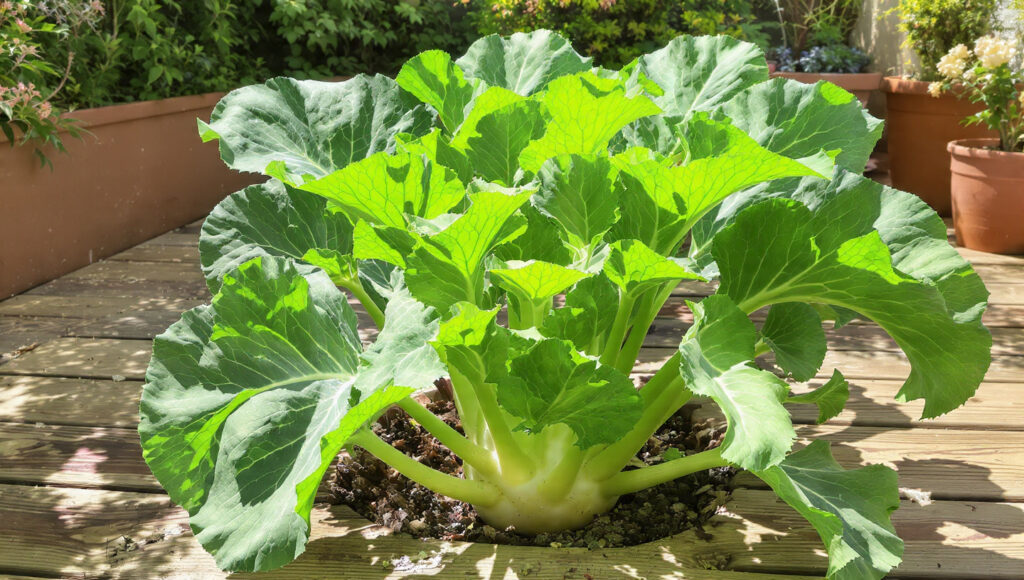
Kohlrabi (Brassica oleracea var. gongylodes) is a versatile and nutritious vegetable that’s gaining popularity among urban gardeners. Its crunchy, slightly sweet bulb and tender leaves make it perfect for salads, stir-fries, soups, and even pickling. Traditionally, growing kohlrabi requires a garden bed with fertile soil, but modern methods have made it possible to cultivate big, lush kohlrabi directly on terraces, balconies, or patios—without traditional soil.
This soil-free approach is perfect for urban dwellers with limited space, allowing them to enjoy fresh, homegrown kohlrabi regardless of land availability. Whether you’re new to urban gardening or an experienced terrace gardener, this guide will show you how to grow kohlrabi easily, maximize growth, and harvest healthy, flavorful bulbs.
Why Grow Kohlrabi Without Soil?
Growing kohlrabi without soil—often called soilless cultivation or container hydroponics—offers several advantages:
- Space efficiency: Ideal for terraces, balconies, and rooftops.
- Controlled nutrients: Plants receive precise nutrition for rapid growth.
- Reduced pests and diseases: Soil-borne problems are minimized.
- Higher yields: Soilless systems can produce larger, healthier bulbs in less time.
- Flexibility: Grow kohlrabi anywhere, even on concrete terraces.
With the right setup and care, urban gardeners can achieve the same—or even better—results than traditional soil planting.
Understanding Kohlrabi Growth
Kohlrabi is a cool-season brassica that grows best in moderate temperatures. Key characteristics include:
- Bulb formation: The edible part develops above ground, making it perfect for terrace planting.
- Leaf production: The leaves are edible and highly nutritious, supporting overall plant growth.
- Rapid growth: Most varieties mature within 6–8 weeks.
By understanding these growth traits, you can provide optimal conditions for large, healthy kohlrabi bulbs.
Choosing the Right Variety
Selecting a variety suited to terrace cultivation ensures success:
- ‘Azur Star’ – Produces medium to large bulbs and tolerates warmer climates.
- ‘Kolibri’ – Fast-growing, compact variety ideal for container gardening.
- ‘White Vienna’ – Classic kohlrabi with large, smooth bulbs.
- ‘Purple Vienna’ – Adds color to your terrace garden with striking purple bulbs.
For soil-free setups, compact or fast-growing varieties often perform best, as they adapt well to containers or hydroponic systems.
Step 1: Selecting a Container or Hydroponic System
You don’t need a traditional garden bed—kohlrabi thrives in containers or hydroponic systems:
- Containers: Use pots or troughs at least 12 inches deep and wide. Ensure drainage holes are present to prevent waterlogging.
- Hydroponic setups: Net pots with inert growing media like coco coir, perlite, or rockwool provide support while nutrients are delivered via water solution.
- Raised planters: Ideal for terraces, allowing for easy management and proper root space.
A well-chosen container ensures roots have enough room to develop strong, healthy bulbs.
Step 2: Preparing the Soilless Medium
Even without traditional soil, kohlrabi needs a medium to anchor roots and retain moisture:
- Coco coir: Lightweight, retains water well, and promotes root aeration.
- Perlite: Excellent for aeration and drainage.
- Vermiculite: Helps retain moisture and nutrients.
- Mixtures: Combine coco coir, perlite, and composted organic material for balanced growth.
A proper medium provides stability while allowing nutrients and water to reach the roots efficiently.
Step 3: Sowing Seeds or Transplanting
Kohlrabi can be started from seeds or seedlings:
- Seeds: Sow ½ inch deep in small containers or seed trays. Keep moist and warm. Germination usually takes 5–10 days.
- Seedlings: Transplant into larger containers or hydroponic setups once they have 2–3 true leaves.
Spacing is critical: keep 6–8 inches between plants to allow bulbs to expand without crowding. Proper spacing ensures airflow, reducing disease risk and promoting larger bulbs.
Step 4: Providing Adequate Sunlight
Kohlrabi thrives in full sun:
➡️ How to Grow Malabar Spinach from Cuttings for Fast, Easy Greens
➡️ How to Grow Super Delicious Cabbage at Home Without a Garden
➡️ How to Grow Bean Sprouts at Home in Plastic Bottles Easily (Step‑by‑Step Guide)
➡️ Why is Your Lemon Tree Blooming in the Heart of Winter?
➡️ Why Should Your Garden Have a Dedicated Pollinator Highway?
➡️ Why Do Your Fruit Trees Need a Winter Wash to Thrive in Spring?
➡️ How Can Rice Water Transform Your Fruits into Sweeter Delights?
➡️ Jumpstart Your Winter Garden: Seed Starting Under Lights
- Light requirement: At least 6 hours of direct sunlight per day.
- Terrace positioning: Place containers where they receive maximum sunlight, preferably south- or west-facing.
- Partial shade: In extremely hot regions, light afternoon shade can prevent leaf scorching and stress.
Ample sunlight is essential for strong stems, lush leaves, and rapid bulb development.
Step 5: Watering for Big, Lush Bulbs
Consistent moisture is critical in soil-free systems:
- Containers: Keep the medium evenly moist but not waterlogged. Deep watering encourages strong root growth.
- Hydroponics: Maintain nutrient solution levels and monitor water pH (optimal 6.0–6.5).
- Frequency: Check daily during hot weather; water more often as plants mature and bulbs enlarge.
Proper watering prevents stress, which can cause small, tough bulbs.
Step 6: Fertilizing for Maximum Growth
Soilless cultivation requires providing nutrients directly:
- Balanced liquid fertilizer: A complete N-P-K solution supports leafy growth and bulb development.
- Frequency: Every 1–2 weeks, depending on plant size and system type.
- Micronutrients: Include magnesium, calcium, and iron for healthy leaves and strong bulbs.
Consistent feeding ensures rapid growth and large, tender bulbs.
Step 7: Supporting Healthy Growth
Even in containers, kohlrabi may require support:
- Stakes or small cages: Prevent plants from tipping as bulbs enlarge.
- Prune yellow leaves: Keeps plants focused on bulb development and reduces disease risk.
- Air circulation: Adequate spacing ensures airflow, reducing fungal problems in humid terrace conditions.
Healthy plants grow faster, produce larger bulbs, and resist pests and stress.
Step 8: Managing Pests and Diseases
Kohlrabi grown on terraces is generally less prone to soil-borne pests, but vigilance is still necessary:
- Aphids: Spray with water or insecticidal soap.
- Cabbage worms or caterpillars: Inspect leaves regularly and remove by hand.
- Fungal issues: Ensure drainage and airflow; avoid wetting leaves during watering.
Regular monitoring keeps terrace-grown kohlrabi healthy and productive.
Step 9: Harvesting at the Right Time
Harvesting properly ensures tender, flavorful bulbs:
- Size: Pick bulbs when they are 2–3 inches in diameter.
- Timing: Small bulbs are sweeter and more tender; large bulbs may become woody.
- Leaves: Don’t discard—they are edible and nutritious.
Frequent harvesting encourages continuous leaf growth and allows remaining bulbs to mature evenly.
Step 10: Extending Your Terrace Kohlrabi Harvest
With proper care, you can enjoy kohlrabi for weeks:
- Succession planting: Sow new seeds every 2–3 weeks to maintain continuous harvest.
- Container rotation: Move pots to adjust sunlight exposure throughout the season.
- Hydroponic adjustments: Maintain nutrient solution strength and monitor pH for consistent growth.
These simple strategies keep your terrace stocked with fresh kohlrabi all season long.
Advantages of Terrace Kohlrabi
Growing kohlrabi on a terrace without soil offers many benefits:
- Urban gardening made easy: No backyard? No problem.
- Space-saving: Containers and hydroponics maximize vertical and horizontal space.
- Fast growth: Soilless systems promote rapid bulb development.
- Less disease: Reduced soil-borne pests and pathogens.
- Aesthetic appeal: Lush green leaves and attractive bulbs enhance terrace gardens.
Terrace-grown kohlrabi combines functionality and beauty, making it a smart choice for urban gardeners.
Final Thoughts
Growing big, lush kohlrabi on your terrace is entirely achievable without traditional soil. By selecting the right variety, providing a suitable container or hydroponic system, and maintaining proper sunlight, water, and nutrition, you can produce healthy, flavorful bulbs right at home.
This method not only makes kohlrabi accessible to urban gardeners but also allows for higher yields, less disease, and faster growth compared to conventional soil cultivation. Whether in containers or hydroponic setups, these techniques empower you to enjoy fresh, homegrown kohlrabi year after year, all from the comfort of your terrace.