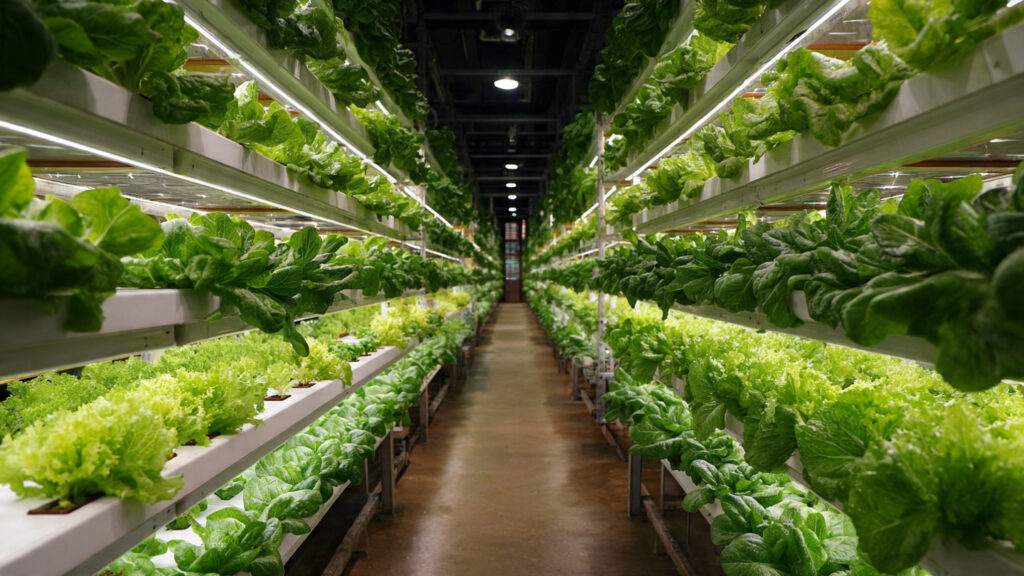
Imagine harvesting crisp lettuce, juicy tomatoes, and fragrant herbs without ever digging into soil. No muddy hands, no weeds, and no backbreaking labor. In 2026, growing vegetables with just water is no longer a futuristic dream—it’s a practical, affordable, and highly productive reality. Welcome to the world of modern hydroponics.
Hydroponics, a method of growing plants without soil, is transforming how people garden at home and how farmers produce food globally. Whether you live in a small apartment, a crowded city, or an area with poor soil quality, hydroponics allows you to grow fresh vegetables easily, cleanly, and efficiently.
Let’s explore how this system works and how you can start your own soil-free vegetable garden today.
What Is Hydroponics?
Hydroponics comes from the Greek words “hydro” (water) and “ponos” (labor), meaning “working water.” Instead of drawing nutrients from soil, plants grown hydroponically receive everything they need directly from a nutrient-rich water solution.
This innovative growing method has gained worldwide attention, especially with organizations like NASA researching hydroponics to grow food in space. If astronauts can grow vegetables without soil, you can certainly grow them in your kitchen or balcony.
In hydroponics, plant roots are either suspended in water or supported by inert materials such as coconut coir, perlite, or clay pellets. The water contains precisely balanced nutrients, allowing plants to grow faster and healthier than traditional soil-grown crops.
Why Hydroponics Is So Popular in 2026
Hydroponics has evolved dramatically over the past decade. In 2026, modern systems are smarter, more compact, and more beginner-friendly than ever before. Here’s why so many people are switching to soil-free gardening:
1. Faster Growth
Plants grown hydroponically often grow 30–50% faster than those grown in soil. Because nutrients are delivered directly to the roots, plants don’t waste energy searching for food.
2. Higher Yields
With optimized light, water, and nutrients, hydroponic systems can produce significantly more vegetables in a smaller space.
3. Less Water Usage
Surprisingly, hydroponics uses up to 90% less water than traditional farming. The water is recirculated rather than lost into the ground.
4. No Weeds, Fewer Pests
Without soil, there are virtually no weeds. Many soil-borne diseases are also eliminated, reducing the need for pesticides.
5. Perfect for Small Spaces
You can grow vegetables indoors, on balconies, rooftops, or even in a spare corner of your living room.
How Hydroponics Actually Works
At its core, hydroponics relies on three essential elements:
- Water
- Nutrients
- Light
Nutrient Solution
Plants need essential nutrients like nitrogen, phosphorus, potassium, calcium, magnesium, and trace minerals. In hydroponics, these nutrients are dissolved in water and delivered directly to the roots.
Oxygen Supply
Roots also need oxygen. Many hydroponic systems use air pumps to oxygenate the water, ensuring healthy root development.
➡️ How to Grow Malabar Spinach from Cuttings for Fast, Easy Greens
➡️ How to Grow Super Delicious Cabbage at Home Without a Garden
➡️ How to Grow Bean Sprouts at Home in Plastic Bottles Easily (Step‑by‑Step Guide)
➡️ Why is Your Lemon Tree Blooming in the Heart of Winter?
➡️ Why Should Your Garden Have a Dedicated Pollinator Highway?
➡️ Why Do Your Fruit Trees Need a Winter Wash to Thrive in Spring?
➡️ How Can Rice Water Transform Your Fruits into Sweeter Delights?
➡️ Jumpstart Your Winter Garden: Seed Starting Under Lights
Light Source
If you’re growing indoors, LED grow lights mimic natural sunlight. Modern full-spectrum LEDs are energy-efficient and designed specifically for plant growth.
The Most Popular Hydroponic Systems
You don’t need expensive equipment to get started. Here are the most common types of hydroponic systems in 2026:
1. Deep Water Culture (DWC)
In this system, plant roots hang directly in oxygenated nutrient solution. It’s simple, affordable, and perfect for beginners.
2. Nutrient Film Technique (NFT)
A thin stream of nutrient solution flows continuously over the roots. This system is popular for leafy greens and herbs.
3. Kratky Method
The Kratky method is a passive, non-circulating system. It requires no electricity and is ideal for small-scale home gardeners.
4. Vertical Hydroponics
Stacked growing systems maximize vertical space, making them perfect for apartments or urban homes.
Best Vegetables to Grow Without Soil
Not all vegetables are equally suited for hydroponics, especially for beginners. Here are the easiest and most productive options:
- Lettuce
- Spinach
- Kale
- Basil
- Mint
- Cherry tomatoes
- Cucumbers
- Peppers
Leafy greens grow especially fast and are often ready to harvest within 30–40 days.
Step-by-Step Guide to Starting Your Own Hydroponic Garden
Starting is easier than you might think. Follow these simple steps:
Step 1: Choose Your System
For beginners, Deep Water Culture or the Kratky method is ideal. They require minimal setup and maintenance.
Step 2: Select a Container
You can use plastic tubs, buckets, or specialized hydroponic containers. Make sure they are food-safe and lightproof.
Step 3: Add Nutrient Solution
Purchase a pre-mixed hydroponic nutrient solution. Follow the instructions carefully to maintain the correct concentration.
Step 4: Support the Plants
Use net pots and a growing medium like clay pellets to hold plants upright.
Step 5: Provide Light
Place your system near a sunny window or install LED grow lights if growing indoors.
Step 6: Monitor pH Levels
Plants absorb nutrients best at a pH between 5.5 and 6.5. A simple digital pH meter makes this easy to manage.
Common Mistakes to Avoid
Even though hydroponics is simple, beginners often make these mistakes:
- Overfeeding nutrients
- Ignoring pH levels
- Not providing enough light
- Poor oxygen circulation
- Letting water temperature rise too high
Keep your water temperature between 18–24°C for optimal growth.
Is Hydroponic Produce Healthy?
Absolutely. Vegetables grown hydroponically are just as nutritious—sometimes even more so—than soil-grown produce. Since nutrient delivery is controlled, plants receive exactly what they need for optimal development.
Many commercial farms are now switching to hydroponics to produce pesticide-free, high-quality vegetables year-round.
The Future of Hydroponics
With global populations increasing and arable land decreasing, hydroponics is becoming a crucial part of sustainable agriculture. Countries with limited farmland are investing heavily in vertical farms and indoor growing facilities.
In 2026, smart hydroponic systems come equipped with mobile apps, automatic nutrient dosing, and AI-powered growth monitoring. These innovations make growing vegetables easier than ever—even for complete beginners.
Urban farming is no longer a trend; it’s a necessity. Hydroponics is helping reduce transportation costs, food waste, and environmental impact.
Hydroponics vs. Traditional Soil Gardening
| Feature | Hydroponics | Soil Gardening |
|---|---|---|
| Growth Speed | Faster | Moderate |
| Water Usage | Low | High |
| Weed Problems | None | Common |
| Space Requirement | Minimal | Larger |
| Pest Issues | Fewer | More frequent |
Both methods have their advantages, but hydroponics clearly shines when it comes to efficiency and space-saving.
Is Hydroponics Expensive?
Initial setup costs vary. A simple DIY system can cost very little, while advanced automated setups may require a higher investment. However, the long-term savings on water, pesticides, and store-bought vegetables make hydroponics highly cost-effective.
Many beginners start small and expand as they gain experience.
Final Thoughts
Growing vegetables without soil is not just a modern experiment—it’s a revolutionary shift in how we produce food. Hydroponics makes gardening accessible to everyone, regardless of space, climate, or soil quality.
In 2026, with smart technology and beginner-friendly systems widely available, there has never been a better time to try hydroponics. Whether you want fresh lettuce for your salads, homegrown herbs for cooking, or a sustainable lifestyle upgrade, this soil-free method offers endless possibilities.