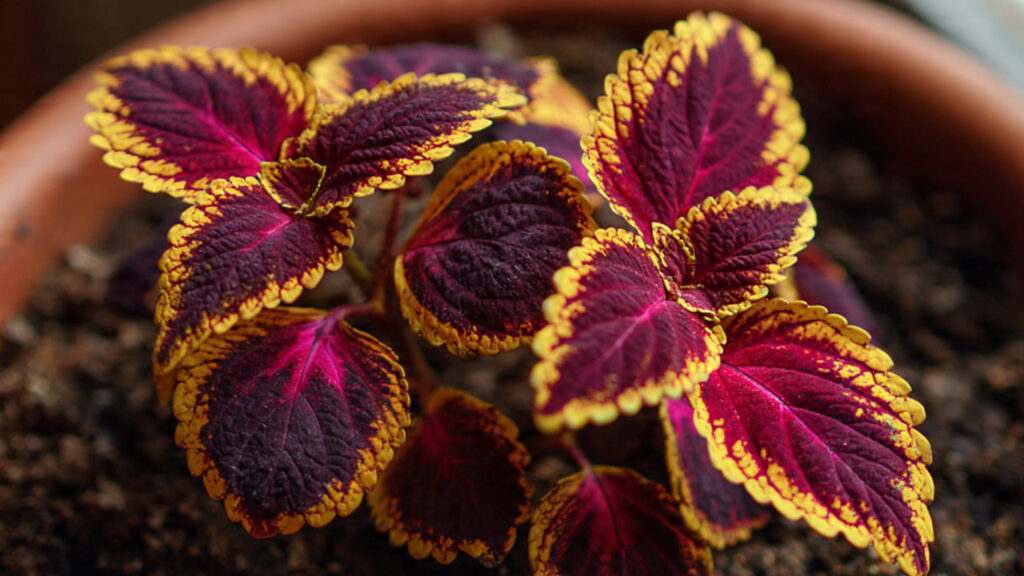
Coleus plants are some of the most colorful and versatile additions to any home garden. Known for their vibrant foliage in shades of green, red, pink, yellow, and purple, coleus can brighten patios, garden beds, and indoor spaces alike. While many gardeners have tried propagating coleus in water, there’s a growing consensus among experienced home gardeners that the soil propagation method beats water propagation for producing stronger, bushier, and more resilient plants.
In this article, we’ll explore why propagating coleus in soil is superior, how to do it step-by-step, and the tips and techniques that ensure successful propagation for a thriving garden.
Why Propagating Coleus Is Popular
Coleus is easy to grow, and its ability to root from cuttings makes it ideal for home propagation. Gardeners often propagate coleus to:
- Multiply their favorite varieties without buying new plants.
- Preserve rare or unique cultivars.
- Fill in gaps in garden beds or containers with new plants.
- Maintain vibrant color displays season after season.
The plant’s natural propensity to root quickly makes propagation accessible even for novice gardeners. However, the medium in which you root the cuttings plays a crucial role in determining their success and long-term health.
Soil vs. Water Propagation
Many gardeners start coleus cuttings in water because it’s simple and allows them to see roots forming. However, rooting in water has limitations:
- Weaker roots: Water roots tend to be soft and fragile. When transplanted to soil, these roots are prone to damage and transplant shock.
- Delayed adaptation: Plants rooted in water must adjust to soil, often slowing growth or causing stress.
- Higher risk of rot: Water-propagated cuttings are more prone to fungal infections or stem rot if left too long.
On the other hand, soil propagation encourages the development of strong, fibrous roots that are better adapted to nutrient uptake and long-term growth in garden soil or containers. Plants started in soil are generally healthier, bushier, and more resilient.
Benefits of Soil Propagation
Soil propagation offers several advantages over water propagation:
- Stronger Root Systems – Roots develop directly in the medium where they will grow permanently, reducing transplant shock.
- Faster Adaptation – Cuttings acclimate to soil immediately, leading to faster overall growth.
- Reduced Risk of Stem Rot – Soil allows better aeration around the stem, lowering the chances of fungal infections.
- Encourages Bushier Growth – Healthy roots support vigorous foliage development, resulting in fuller, more colorful plants.
- Easy Integration with Fertilization – Once roots establish, soil-grown cuttings can immediately benefit from organic or slow-release fertilizers.
For home gardeners who want strong, thriving coleus plants, soil propagation is the most reliable and rewarding method.
Step-by-Step Guide to Propagating Coleus in Soil
Here’s a detailed guide to successfully propagate coleus cuttings directly in soil:
Step 1: Select Healthy Parent Plants
- Choose coleus with vibrant leaves and no signs of disease.
- Avoid woody or stressed stems; young, soft, and green stems root more easily.
- Cuttings should be 3–6 inches long with at least 2–3 sets of leaves.
Step 2: Prepare the Cuttings
- Remove the lower leaves, leaving 1–2 sets of leaves at the top.
- Optional: Dip the cut end in rooting hormone to accelerate root development.
- Trim any flowers or buds to direct energy toward root formation.
Step 3: Prepare the Soil
- Use a well-draining, lightweight soil mix. Ideal ingredients include:
- 50% potting soil
- 25% perlite or coarse sand for aeration
- 25% compost or coconut coir for moisture retention
- Fill small pots or seed trays with the mix and moisten lightly.
Step 4: Plant the Cuttings
- Make a small hole in the soil and insert the cutting 1–2 inches deep.
- Firm the soil gently around the stem to ensure stability.
- Space multiple cuttings apart to prevent overcrowding and allow airflow.
Step 5: Create a Humid Environment
- Cover the cuttings with a clear plastic dome, bag, or bottle to retain humidity.
- Avoid direct sunlight; place in bright, indirect light.
- Open the cover occasionally to prevent mold or fungal growth.
Step 6: Watering and Care
- Keep the soil evenly moist but not waterlogged.
- Water gently to avoid disturbing the cuttings.
- Roots typically begin forming within 2–3 weeks, depending on temperature and conditions.
Step 7: Transplanting
- Once roots are well-developed, usually 4–6 weeks after planting, gradually acclimate cuttings to normal garden or container conditions.
- Transplant to larger pots, garden beds, or hanging baskets as desired.
- Fertilize lightly after transplant to support continued growth.
By following these steps, gardeners can create strong, bushy, and resilient coleus plants that thrive indoors or outdoors.
Additional Tips for Success
- Temperature Matters: Coleus roots best in warm conditions between 70–75°F (21–24°C). Avoid cold drafts or sudden temperature changes.
- Indirect Light: Bright but indirect light encourages strong root growth without stressing the leaves.
- Avoid Overwatering: Too much moisture can lead to fungal diseases. Keep the soil damp but not soggy.
- Prune Regularly: Pinch back stems to encourage branching and maintain a bushy shape.
- Rotate Pots: Rotate containers if indoors to ensure even light distribution and symmetrical growth.
Common Mistakes to Avoid
Even with soil propagation, mistakes can reduce success rates:
- Planting too deep: Cuttings should be shallow enough to prevent stem rot.
- Using heavy garden soil: Compacted soil suffocates roots and slows growth.
- Ignoring humidity: Low humidity can cause cuttings to wilt and die.
- Crowding cuttings: Overcrowding reduces airflow and increases the risk of disease.
- Neglecting indirect light: Direct sunlight can scorch delicate young cuttings.
Avoiding these errors ensures high success rates and healthy, vigorous plants.
Why Soil-Propagated Coleus Outperforms Water-Propagated Plants
While water propagation may look simple, soil-propagated coleus develops the characteristics gardeners want most:
- Immediate soil adaptation: No transplant shock, leading to faster growth.
- Stronger stems and roots: Supports fuller, more vibrant foliage.
- Fewer diseases: Soil roots are less prone to rot and fungal infections.
- Long-term health: Plants started in soil tend to live longer and produce more leaves.
Essentially, soil propagation prepares plants for real-world growing conditions, unlike water propagation, which requires an extra acclimation step.
Conclusion
For home gardeners seeking vibrant, bushy, and resilient coleus, the soil propagation method is clearly superior to water propagation. By starting cuttings directly in a well-prepared, well-draining soil mix, gardeners encourage strong root systems, rapid adaptation, and fuller growth, resulting in a visually stunning garden display.
➡️ How to Grow Malabar Spinach from Cuttings for Fast, Easy Greens
➡️ How to Grow Super Delicious Cabbage at Home Without a Garden
➡️ How to Grow Bean Sprouts at Home in Plastic Bottles Easily (Step‑by‑Step Guide)
➡️ Why is Your Lemon Tree Blooming in the Heart of Winter?
➡️ Why Should Your Garden Have a Dedicated Pollinator Highway?
➡️ Why Do Your Fruit Trees Need a Winter Wash to Thrive in Spring?
➡️ How Can Rice Water Transform Your Fruits into Sweeter Delights?
➡️ Jumpstart Your Winter Garden: Seed Starting Under Lights
Key takeaways include:
- Choose healthy, soft-stemmed cuttings from established plants.
- Prepare loose, nutrient-rich, well-draining soil to support root growth.
- Maintain humidity and indirect light for faster rooting.
- Avoid overwatering and overcrowding to reduce disease risks.
- Transplant carefully once roots are established for continued growth.
With these simple techniques, propagating coleus becomes a reliable and rewarding gardening activity, allowing home gardeners to multiply their plants easily, preserve favorite varieties, and enjoy lush, colorful foliage season after season.