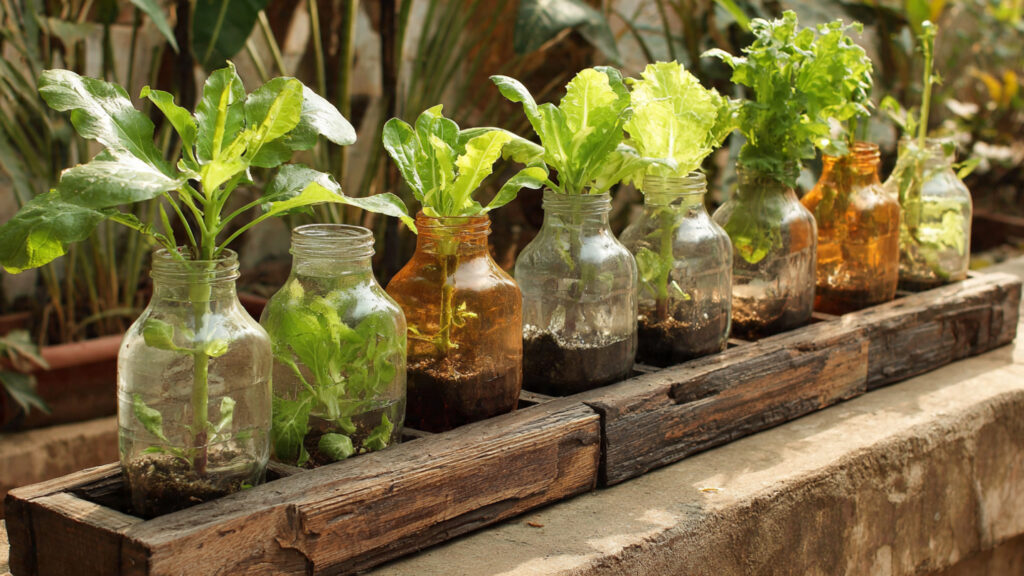
In today’s world, where environmental concerns and sustainable living are becoming increasingly important, creative solutions to reduce waste and grow your own food are gaining popularity. One of the most practical and eco-friendly ideas is to recycle plastic bottles to grow vegetables at home. Not only does this help reduce plastic waste, but it also allows you to cultivate fresh, nutritious vegetables right in your kitchen, balcony, or backyard, regardless of space constraints.
This article will guide you through the benefits of using plastic bottles for gardening, the vegetables that thrive in this setup, and step-by-step instructions for creating your own mini vegetable garden using recycled bottles.
Why Use Plastic Bottles for Gardening?
Plastic bottles are one of the most common pollutants globally. By repurposing them into planters, you are contributing to environmental conservation while creating a productive use for materials that would otherwise end up in landfills. But the benefits don’t stop there:
- Cost-Effective – Plastic bottles are usually free or inexpensive to collect. Using them as planters eliminates the need to buy pots or raised beds.
- Space-Saving – Vertical gardening using bottles allows you to grow vegetables even in limited spaces, such as balconies, terraces, or small patios.
- Portability – Bottles are lightweight, making it easy to rearrange your garden or move plants to get optimal sunlight.
- Controlled Environment – You can manage soil, water, and nutrients more efficiently in individual bottle planters, reducing the risk of soil-borne diseases.
- Educational and Fun – Bottle gardening is an excellent activity for kids to learn about plant growth, sustainability, and healthy eating.
By turning waste into a resource, you are not just growing food—you are actively participating in circular economy practices and promoting eco-conscious living.
Best Vegetables to Grow in Plastic Bottles
While most vegetables can be adapted for bottle gardening, some are particularly suited due to their small size and shallow root systems:
- Leafy Greens – Lettuce, spinach, kale, and coriander grow quickly and thrive in small containers.
- Herbs – Basil, mint, chives, and parsley are perfect for bottle planters and can provide fresh seasoning year-round.
- Tomatoes – Dwarf tomato varieties are ideal for vertical bottle gardening. They produce abundant fruit in a compact space.
- Peppers – Small chili or bell peppers can grow well in bottle planters if given sufficient sunlight.
- Radishes and Carrots – Short-rooted varieties like radishes are suitable for bottle planting, providing a fast-growing harvest.
- Green Onions – They are resilient, easy to grow, and take up minimal space.
Step-by-Step Guide to Growing Vegetables in Plastic Bottles
Transforming plastic bottles into vegetable planters is simple and requires only a few materials. Here’s how to get started:
1. Collect and Prepare Bottles
- Collect empty plastic bottles (1–2 liters work best).
- Wash thoroughly to remove any residue.
- Cut the bottle horizontally or vertically, depending on whether you want vertical hanging gardens or horizontal countertop planters.
- Drill or poke small drainage holes at the bottom to prevent waterlogging.
2. Add Soil and Nutrients
- Use a mixture of garden soil, compost, and cocopeat to provide nutrients and retain moisture.
- For leafy greens and herbs, a 2:1 ratio of soil to compost works well.
- Lightly press the soil to remove air pockets but avoid compacting it too much, as roots need space to grow.
3. Plant Seeds or Seedlings
- Sow seeds according to the instructions on the seed packet.
- For seedlings, dig a small hole in the soil and gently transplant them.
- Water lightly to settle the seeds or seedlings.
4. Position and Water Your Bottles
- Place the bottles in a location that receives adequate sunlight (4–6 hours daily for most vegetables).
- Water regularly, ensuring the soil is moist but not waterlogged. The drainage holes help prevent root rot.
- For vertical gardens, hang the bottles using sturdy ropes, hooks, or a wooden frame. Ensure the structure can support the weight of soil and water.
5. Care and Maintenance
- Fertilize with organic solutions like diluted compost tea or liquid manure every 2–3 weeks to boost growth.
- Monitor for pests and remove any affected leaves immediately.
- Prune and harvest regularly to encourage continuous growth.
Innovative Ways to Use Plastic Bottles for Gardening
Plastic bottles are versatile and can be used in many creative ways to optimize vegetable growth:
- Vertical Wall Gardens – Stack or hang bottles vertically on walls or fences to maximize limited space.
- Hanging Gardens – Suspend bottles from ceilings or balcony railings to grow herbs and flowers.
- Hydroponic Bottle Systems – Fill bottles with nutrient-rich water to grow vegetables without soil.
- Self-Watering Planters – Cut bottles in half, invert the top into the bottom half, and use it as a water reservoir for continuous hydration.
These methods not only save space but also allow for better sunlight exposure and air circulation for plants.
Environmental and Health Benefits
1. Reduces Plastic Waste
By using bottles for gardening, you prevent them from polluting landfills and oceans, where plastic can take hundreds of years to decompose. Every bottle you recycle contributes to a cleaner and healthier environment.
2. Promotes Organic Food Production
Growing vegetables at home allows you to avoid chemical pesticides and synthetic fertilizers. You know exactly what goes into your plants, which leads to healthier, chemical-free food for your family.
3. Encourages Sustainable Practices
Bottle gardening is a practical example of sustainability. It teaches eco-friendly habits and encourages other forms of recycling, composting, and water conservation.
4. Improves Physical and Mental Health
Gardening is therapeutic. It reduces stress, improves mood, and provides light physical activity. Growing your own vegetables also encourages healthier eating habits.
Tips for Success
- Use transparent bottles for vertical gardens so sunlight reaches the roots; cover the exposed areas with black tape to prevent algae growth.
- Rotate bottles occasionally to ensure even sunlight exposure.
- Monitor water levels in self-watering systems to avoid overwatering or drying out.
- Keep a small journal of planting dates, growth stages, and harvest times for better planning.
- Combine with other recycled materials like old crates or wooden pallets to create an efficient gardening setup.
Common Mistakes to Avoid
- Overcrowding seeds – This can stunt growth and reduce yields.
- Ignoring drainage – Always make proper drainage holes to prevent waterlogging.
- Using old or contaminated soil – Fresh, nutrient-rich soil ensures healthy plant growth.
- Skipping sunlight – Most vegetables need 4–6 hours of sunlight daily; insufficient light leads to weak plants.
- Neglecting pests – Monitor plants regularly for insects or fungal infections. Organic remedies like neem oil or garlic spray can help.
Conclusion
Recycling plastic bottles to grow vegetables at home is a practical, eco-friendly, and rewarding approach to gardening. It allows you to grow fresh, healthy produce while reducing plastic waste and contributing to environmental sustainability. Whether you have a small balcony, rooftop, or kitchen counter, this method adapts to any space and provides a continuous supply of vegetables and herbs.
With a little creativity, patience, and care, you can turn waste into a source of nourishment for your family and make a positive impact on the planet. By adopting bottle gardening, you’re not just planting vegetables—you’re planting the seeds of sustainability, health, and responsibility for a greener future.
Start today: gather some bottles, soil, seeds, and water, and watch as your small, recycled garden flourishes with life, flavor, and vitality.
➡️ How to Grow Malabar Spinach from Cuttings for Fast, Easy Greens
➡️ How to Grow Super Delicious Cabbage at Home Without a Garden
➡️ How to Grow Bean Sprouts at Home in Plastic Bottles Easily (Step‑by‑Step Guide)
➡️ Why is Your Lemon Tree Blooming in the Heart of Winter?
➡️ Why Should Your Garden Have a Dedicated Pollinator Highway?
➡️ Why Do Your Fruit Trees Need a Winter Wash to Thrive in Spring?
➡️ How Can Rice Water Transform Your Fruits into Sweeter Delights?
➡️ Jumpstart Your Winter Garden: Seed Starting Under Lights