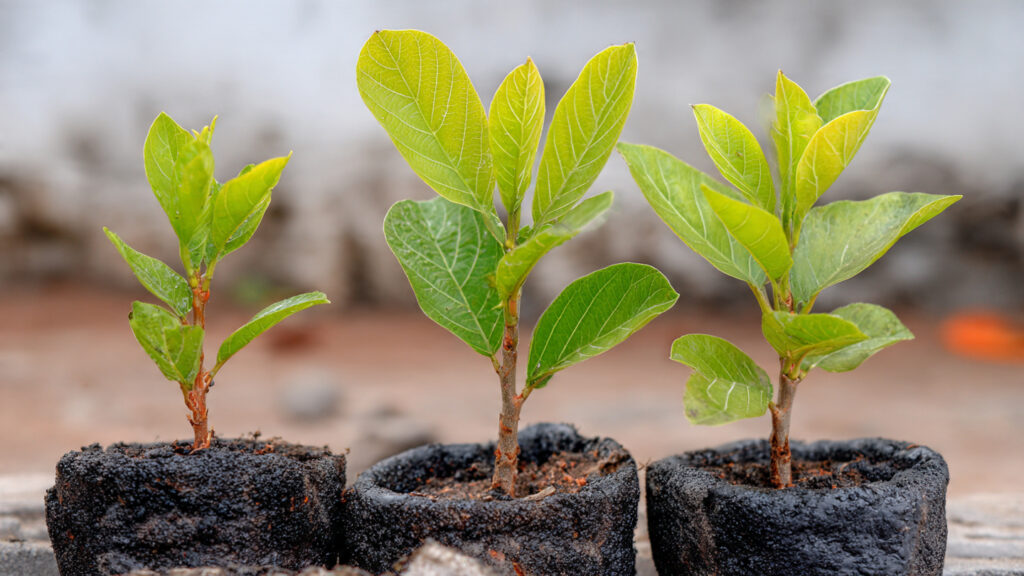
Guava, with its sweet, aromatic fruit, is a prized addition to tropical and subtropical gardens worldwide. While growing guava from seeds is possible, it often results in slow growth, late fruiting, and inconsistent fruit quality. Enter grafting—an age-old horticultural technique that has been revolutionized with modern methods to accelerate growth, improve fruit quality, and boost yields. In this article, we explore the latest techniques in guava grafting that promise faster, more reliable results for both home gardeners and commercial growers.
Why Grafting Guava Is a Game-Changer
Before diving into new methods, it’s essential to understand why grafting is so impactful for guava cultivation. Grafting involves joining a scion (a cutting from a desired guava variety) to a rootstock (a healthy, compatible plant). The rootstock provides the grafted plant with established roots and disease resistance, while the scion ensures fruit quality and characteristics.
The benefits of grafting over seed propagation include:
- Faster fruiting: Grafted guava trees can start producing fruits within 1–2 years, compared to 3–5 years for seed-grown trees.
- Uniformity: Fruits from grafted trees maintain the exact qualities of the parent variety, such as sweetness, color, and size.
- Enhanced vigor: Grafted trees often exhibit stronger growth and better resistance to soil-borne diseases.
- Space efficiency: Grafting allows for high-density planting and optimized orchard management.
With these advantages, grafting is the cornerstone for modern guava cultivation—but new techniques are making the process even more effective.
Modern Grafting Techniques for Faster Growth
While traditional cleft grafting and approach grafting remain popular, recent innovations in grafting have improved success rates, growth speed, and fruit yields. Here are the most revolutionary methods:
1. Micro-Grafting
Micro-grafting is an advanced technique where tiny scions are grafted onto young rootstocks in a controlled nursery environment. This method allows for:
- Faster establishment due to reduced transplant shock
- Higher survival rates even with delicate varieties
- Early fruit production because the grafted plant focuses energy on the scion
The secret behind micro-grafting is precision: using sharp, sterilized instruments and maintaining ideal humidity and temperature in the nursery accelerates healing at the graft union.
2. In-Vitro Grafting
A cutting-edge innovation in guava propagation, in-vitro grafting involves performing grafts in a sterile, laboratory-controlled environment. Advantages include:
- Disease-free plants that are highly resistant to pathogens
- Increased grafting success, even with hard-to-graft varieties
- Uniform growth and early fruiting
Although in-vitro grafting requires specialized equipment, it is rapidly becoming accessible for commercial growers and high-value varieties, ensuring a higher return on investment.
3. Side Veneer Grafting
Side veneer grafting is one of the most practical and effective techniques for guava. It involves cutting a diagonal slit on the rootstock’s side and inserting the scion at a matching angle. This method is widely appreciated for:
- High success rates, often exceeding 85%
- Minimal damage to the rootstock
- Compatibility with younger rootstocks, reducing nursery time
Side veneer grafting allows gardeners to prepare multiple grafts at once, significantly accelerating orchard expansion.
4. Approach Grafting with Growth Regulators
Modern improvements to traditional approach grafting involve using growth regulators like auxins to stimulate cell division at the graft union. Benefits include:
- Faster healing and integration between scion and rootstock
- Reduced risk of graft failure due to environmental stress
- Enhanced nutrient transfer, promoting early fruiting
Combining natural grafting practices with hormonal stimulation is an exciting breakthrough for maximizing growth potential.
Selecting the Right Rootstock and Scion
The success of grafting heavily depends on choosing compatible rootstock and scion combinations:
- Rootstock: Choose vigorous, disease-resistant guava varieties. Seedlings with robust root systems and good adaptability to soil conditions are ideal. Some growers use hybrid rootstocks for faster growth.
- Scion: Select healthy, disease-free branches from high-yielding, flavorful guava varieties. The scion should be from the previous season’s growth to ensure proper compatibility and vigor.
Matching scion and rootstock properly reduces graft failure, accelerates growth, and ensures superior fruit quality.
➡️ How to Grow Malabar Spinach from Cuttings for Fast, Easy Greens
➡️ How to Grow Super Delicious Cabbage at Home Without a Garden
➡️ How to Grow Bean Sprouts at Home in Plastic Bottles Easily (Step‑by‑Step Guide)
➡️ Why is Your Lemon Tree Blooming in the Heart of Winter?
➡️ Why Should Your Garden Have a Dedicated Pollinator Highway?
➡️ Why Do Your Fruit Trees Need a Winter Wash to Thrive in Spring?
➡️ How Can Rice Water Transform Your Fruits into Sweeter Delights?
➡️ Jumpstart Your Winter Garden: Seed Starting Under Lights
Step-by-Step Guide to a Successful Guava Graft
Even with revolutionary techniques, careful execution is key. Here’s a practical guide for home gardeners and small-scale growers:
- Prepare the Rootstock: Trim the top of the rootstock to create a smooth surface for grafting. Ensure the rootstock is healthy and pest-free.
- Select and Prepare the Scion: Cut a scion with 2–3 buds. Remove leaves from the base while keeping the top leaves intact.
- Make the Graft Cut: Depending on the method—side veneer, cleft, or approach—make precise cuts on both scion and rootstock.
- Join and Secure: Fit the scion onto the rootstock, ensuring cambium layers align perfectly. Use grafting tape or parafilm to secure the union.
- Protect and Nurture: Cover the graft union with a plastic bag or wrap to retain moisture. Keep the plant in a shaded, humid area until the graft heals.
- Monitor Growth: Within 2–3 weeks, new growth should appear from the scion. Gradually acclimate the grafted plant to normal sunlight.
By following these steps carefully, gardeners can achieve faster growth and higher success rates.
Post-Grafting Care for Maximum Yield
Even a perfectly executed graft requires attentive care:
- Watering: Maintain consistent moisture without waterlogging the soil.
- Fertilization: Apply balanced fertilizers to encourage root and shoot development. Organic compost can improve soil structure and nutrient availability.
- Pruning: Once the scion establishes, prune weak shoots to concentrate energy on fruit-bearing branches.
- Pest and Disease Control: Monitor regularly for common guava pests like fruit flies or fungal infections and manage promptly.
Proper post-grafting care ensures that the new tree not only survives but thrives, producing high-quality fruits faster.
Advantages of Revolutionary Grafting Techniques
The latest grafting methods are transforming guava cultivation:
- Faster Return on Investment: Trees bear fruit in 1–2 years instead of 3–5, which is especially valuable for commercial growers.
- Higher Yields: Improved grafting techniques strengthen scions and rootstocks, leading to larger, more uniform fruits.
- Disease Resistance: Modern rootstocks and sterile techniques minimize pathogen exposure.
- Scalability: New methods like micro-grafting allow for rapid multiplication of superior varieties for large-scale orchards.
These benefits make grafting a cornerstone of modern guava farming, blending science and tradition for optimal results.
Conclusion
Grafting guava trees is no longer a slow, uncertain process. Revolutionary techniques—from micro-grafting and in-vitro methods to improved side veneer and hormone-assisted approaches—are transforming how gardeners and farmers propagate guava. These methods not only accelerate growth but also ensure superior fruit quality, higher yields, and stronger, disease-resistant trees.
For anyone serious about guava cultivation, embracing these modern grafting techniques is essential. The combination of careful scion and rootstock selection, precise execution, and attentive post-grafting care creates a pathway to faster fruiting and more productive trees. By integrating innovation with proven horticultural practices, guava growers can enjoy a bountiful harvest, healthier plants, and a thriving orchard that delivers quality fruits year after year.