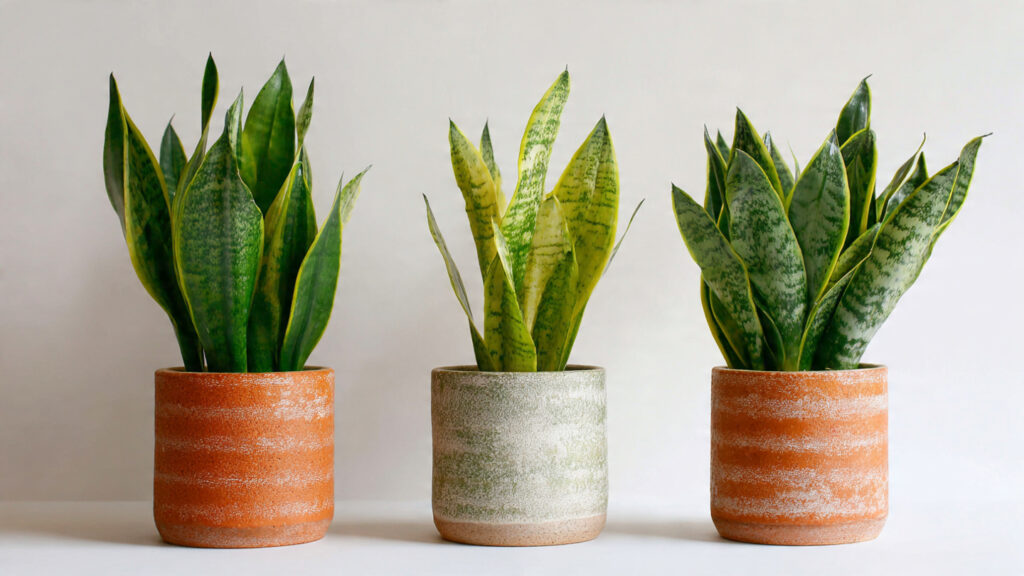
In the world of indoor plants, few species combine style, resilience, and low maintenance quite like Sansevieria. Often known as the snake plant or mother-in-law’s tongue, Sansevieria has become a favorite among plant enthusiasts and interior decorators alike. Its upright, sword-shaped leaves and striking variegated patterns make it an attractive addition to any room, while its hardy nature ensures it thrives even with minimal care.
Whether you are a seasoned gardener or a beginner looking to add greenery to your home, Sansevieria is a versatile house plant that truly fits every lifestyle.
What Makes Sansevieria So Popular?
Sansevieria is more than just a pretty plant—it’s practical, durable, and surprisingly adaptable. Here are some reasons why it has gained widespread popularity:
- Low Maintenance: This plant tolerates neglect, irregular watering, and low light conditions, making it ideal for busy individuals.
- Air-Purifying Properties: Studies by NASA have shown that Sansevieria can filter toxins like formaldehyde, benzene, and xylene from indoor air.
- Stylish Design: Its tall, upright leaves and variegated stripes complement modern, minimalist, or eclectic interiors.
- Compact and Versatile: Available in various sizes and patterns, it can fit in corners, on desks, or as a statement piece on the floor.
Reality Check: While Sansevieria is nearly indestructible, it’s not completely maintenance-free. Proper care ensures the plant thrives and maintains its striking appearance.
Varieties of Sansevieria
Sansevieria comes in numerous varieties, each with unique shapes, colors, and growth habits. Popular types include:
- Sansevieria trifasciata: The classic snake plant with tall, upright leaves and green variegation.
- Sansevieria cylindrica: Cylindrical, spear-like leaves that fan out for a modern sculptural look.
- Sansevieria laurentii: Similar to trifasciata, but with yellow-edged leaves that brighten up any space.
- Sansevieria hahnii: A compact, rosette-forming variety perfect for desks or tabletops.
Pro Tip: Choose a variety based on your space and design goals. Taller varieties work as floor plants, while shorter rosettes make excellent tabletop companions.
Ideal Growing Conditions
Although Sansevieria is hardy, providing suitable growing conditions ensures it reaches its full potential:
- Light: Adaptable to low light, medium light, or indirect sunlight. Bright indirect light encourages faster growth and more vivid leaf coloration.
- Temperature: Thrives between 15°C and 30°C. Protect from frost or extremely cold drafts.
- Humidity: Tolerant of average indoor humidity; avoid overly damp environments that promote root rot.
- Soil: Well-draining soil is essential. A cactus or succulent mix works best.
Reality Check: Direct, harsh sunlight can scorch leaves, while overwatering in poorly drained soil can cause root rot. Balance is key.
Watering Your Sansevieria
One of Sansevieria’s most attractive qualities is its drought tolerance. However, understanding proper watering habits ensures longevity:
- Frequency: Water every 2–6 weeks depending on temperature, light, and season. Allow soil to dry completely between waterings.
- Method: Water the soil directly, avoiding splashing water on leaves.
- Overwatering Warning: Too much water can cause yellowing leaves or root rot.
Pro Tip: In winter, reduce watering to once a month, as the plant’s growth slows during cooler months.
Fertilizing Sansevieria
Sansevieria does not require frequent fertilization, but occasional feeding helps maintain healthy foliage:
- Use a balanced, water-soluble fertilizer diluted to half-strength.
- Fertilize every 2–3 months during the growing season (spring and summer).
- Avoid over-fertilizing, as this can damage roots and leaves.
Reality Check: Fertilizer is supplementary. The plant’s resilience means it can survive without regular feeding, but occasional nutrients enhance its growth and color.
Potting and Repotting
Container choice and repotting practices are essential for maintaining a stylish, thriving Sansevieria:
- Pot selection: Choose a pot with good drainage holes to prevent water accumulation. Terra cotta pots are ideal for absorbing excess moisture.
- Repotting frequency: Every 2–3 years is sufficient. Sansevieria prefers to be slightly root-bound, which actually encourages growth.
- Potting mix: Use a cactus or succulent soil blend to ensure proper aeration and drainage.
Pro Tip: Elevate the pot slightly with small feet or a stand to improve air circulation and enhance the aesthetic appeal.
Pruning and Leaf Care
Sansevieria requires minimal pruning, but occasional leaf care keeps it looking its best:
➡️ How to Grow Malabar Spinach from Cuttings for Fast, Easy Greens
➡️ How to Grow Super Delicious Cabbage at Home Without a Garden
➡️ How to Grow Bean Sprouts at Home in Plastic Bottles Easily (Step‑by‑Step Guide)
➡️ Why is Your Lemon Tree Blooming in the Heart of Winter?
➡️ Why Should Your Garden Have a Dedicated Pollinator Highway?
➡️ Why Do Your Fruit Trees Need a Winter Wash to Thrive in Spring?
➡️ How Can Rice Water Transform Your Fruits into Sweeter Delights?
➡️ Jumpstart Your Winter Garden: Seed Starting Under Lights
- Remove damaged leaves: Trim yellow or dried leaves at the base with clean scissors.
- Cleaning leaves: Wipe leaves gently with a damp cloth to remove dust and improve photosynthesis.
- Dividing plants: When the plant becomes crowded, divide rhizomes during repotting to propagate new plants.
Reality Check: Sansevieria grows slowly, so drastic pruning is rarely needed. Gentle maintenance is sufficient for appearance and health.
Propagating Sansevieria
Propagation is simple and satisfying, allowing you to create multiple plants from a single parent:
- Leaf cuttings: Cut healthy leaves into 3–4 inch sections and place them in soil or water until roots form.
- Division: During repotting, separate rhizomes with a clean knife and replant them individually.
- Patience: Rooting can take several weeks, but the result is a new, thriving plant.
Pro Tip: Use a rooting hormone to speed up propagation and improve success rates.
Styling Sansevieria in Your Home
Sansevieria is as much a design element as a house plant. Here are ideas to showcase its elegance:
- Minimalist decor: Place a tall snake plant in a sleek, modern pot in the corner of a living room.
- Mixed arrangements: Combine small rosette varieties with other succulents or indoor plants for a textured display.
- Office greenery: Compact Sansevieria adds life to desks and shelves without requiring constant care.
- Vertical displays: Tall varieties in narrow planters create a dramatic, architectural effect.
Pro Tip: Use decorative pots that complement your interior style. Earth tones, metallics, or monochrome designs work beautifully with Sansevieria’s green foliage.
Health Benefits of Sansevieria
Beyond aesthetics, Sansevieria contributes to a healthier living environment:
- Air purification: Removes toxins like formaldehyde, benzene, and trichloroethylene from indoor air.
- Oxygen production: Unlike most plants, it produces oxygen at night, making it ideal for bedrooms.
- Low allergy risk: Its dust-resistant leaves reduce airborne allergens.
Reality Check: While beneficial, Sansevieria is mildly toxic if ingested by pets or children, so placement is important for safety.
Common Problems and Solutions
Even a hardy plant like Sansevieria can face occasional issues:
- Yellowing leaves: Usually due to overwatering; reduce watering and check drainage.
- Soft or mushy leaves: Indicates root rot; repot in fresh soil and trim damaged roots.
- Leaf curling: Often caused by insufficient light; move the plant closer to indirect sunlight.
Pro Tip: Regular monitoring and a balance of light, water, and soil quality prevent most problems.
Conclusion
Sansevieria is a stylish, versatile, and resilient house plant suitable for every home. Its combination of beauty, hardiness, and air-purifying properties makes it an excellent choice for beginners, busy individuals, or interior design enthusiasts. By providing proper light, minimal watering, occasional fertilization, and creative styling, you can enjoy a plant that enhances both your space and well-being.
Whether placed on a desk, in a living room corner, or as a floor statement piece, Sansevieria proves that style and ease of care can go hand in hand. With its striking foliage and forgiving nature, this plant truly is a green companion for everyone—transforming ordinary spaces into stylish, vibrant interiors.