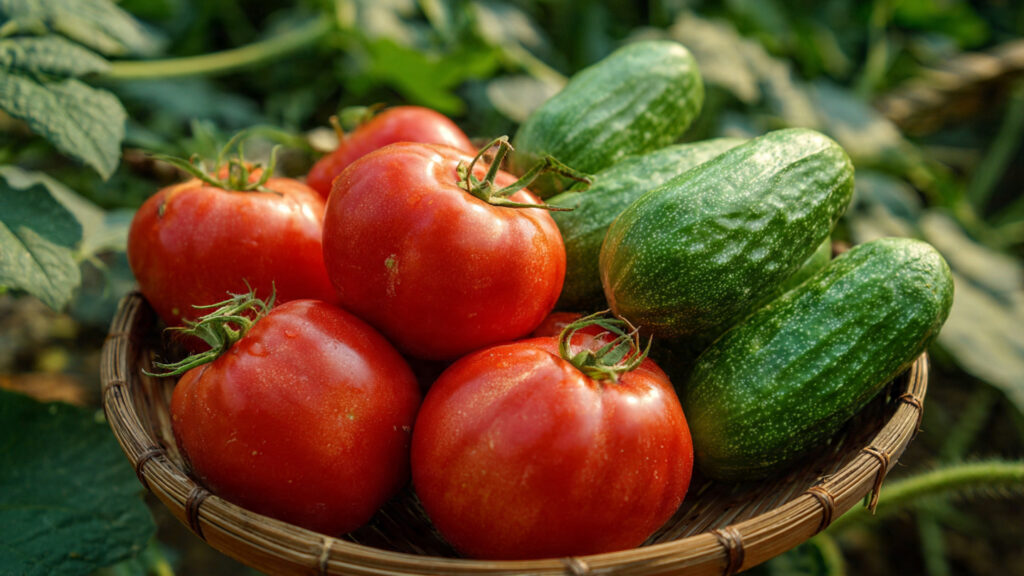
Gardening can be a rewarding hobby, but many gardeners struggle to get maximum yields from their vegetables. Tomatoes and chayotes are popular plants for home gardens, but without proper care, their production can be disappointing. Recently, I discovered a simple gardening trick that completely transformed my tomato and chayote plants, making them produce more than ever before. If you want your garden to flourish and enjoy bountiful harvests, this guide will show you exactly what I did and how you can replicate it in your own garden.
1. Understanding Tomato and Chayote Growth
Before diving into the trick, it’s important to understand the natural growth patterns of tomatoes and chayotes.
Tomatoes:
- Tomatoes thrive in warm, sunny conditions, ideally 6–8 hours of sunlight per day.
- They require consistent watering and nutrient-rich soil to develop juicy fruits.
- Flowering and fruit set are sensitive to temperature fluctuations and nutrient imbalances.
Chayotes:
- Chayotes are fast-growing, climbing vines that produce green, pear-shaped vegetables.
- They prefer well-draining soil and benefit from trellising or support.
- Flowering and fruiting are heavily influenced by fertility, pruning, and pollination.
Understanding these needs ensures that any technique applied maximizes growth and yields.
2. The Simple Trick That Boosted Production
The trick that transformed my garden is strategic pruning and targeted fertilization, combined with supportive soil care. Many gardeners overlook these details, which is why their plants don’t reach their full potential.
Step 1: Prune for Productivity
Pruning is more than just aesthetics—it encourages better airflow, stronger stems, and more fruit-bearing branches.
Pruning Tips for Tomatoes:
- Remove suckers (small shoots that grow between the main stem and branches) to redirect energy toward fruit production.
- Trim lower leaves that touch the soil to reduce disease risk.
- Prune lightly, avoiding excessive leaf removal, which can reduce photosynthesis.
Pruning Tips for Chayotes:
- Trim old or overcrowded vines to allow sunlight to reach new growth.
- Cut back non-fruiting branches to stimulate the plant to produce more flowers and fruits.
- Train vines along trellises or supports for maximum sunlight exposure and airflow.
Pruning may seem simple, but it dramatically increases both yield and fruit quality.
Step 2: Targeted Fertilization
Fertilizer is essential for high-yield vegetables, but the type, timing, and amount can make a huge difference.
Tomatoes:
- Use balanced fertilizers with slightly higher phosphorus (P) to encourage flowering and fruiting.
- Apply fertilizer at planting and during fruit set, reducing nitrogen levels to prevent excessive foliage growth.
Chayotes:
- Incorporate organic compost or well-rotted manure into the soil before planting.
- During the growing season, use a liquid fertilizer or foliar spray rich in potassium (K) to improve flowering and fruit quality.
Targeted fertilization ensures the plant focuses energy on producing more fruits instead of excessive leaves or stems.
Step 3: Improve Soil Health
Healthy soil is the foundation of high-yield plants. Tomatoes and chayotes both thrive in loose, nutrient-rich soil.
➡️ How to Grow Malabar Spinach from Cuttings for Fast, Easy Greens
➡️ How to Grow Super Delicious Cabbage at Home Without a Garden
➡️ How to Grow Bean Sprouts at Home in Plastic Bottles Easily (Step‑by‑Step Guide)
➡️ Why is Your Lemon Tree Blooming in the Heart of Winter?
➡️ Why Should Your Garden Have a Dedicated Pollinator Highway?
➡️ Why Do Your Fruit Trees Need a Winter Wash to Thrive in Spring?
➡️ How Can Rice Water Transform Your Fruits into Sweeter Delights?
➡️ Jumpstart Your Winter Garden: Seed Starting Under Lights
Soil Care Tips:
- Mix in compost or organic matter to improve soil structure and retain moisture.
- Mulch around plants to retain soil moisture, regulate temperature, and suppress weeds.
- Ensure good drainage, as waterlogged soil can stunt growth or cause root rot.
By creating the right soil conditions, plants grow stronger and produce more fruit naturally.
3. Watering Techniques That Work
Consistent watering is critical, especially during fruit development. But did you know how you water can also impact yields?
Watering Tips for Maximum Production:
- Water deeply once or twice a week, rather than frequent shallow watering. Deep watering encourages strong root growth.
- Avoid wetting the foliage to prevent fungal diseases, which can damage fruit production.
- During hot weather, water early in the morning to reduce evaporation and stress.
Proper watering ensures that plants remain hydrated and focused on producing fruits rather than conserving resources.
4. Pollination Boosts Fruit Yield
Tomatoes and chayotes need effective pollination for maximum fruit set. Poor pollination often leads to fewer flowers developing into fruits.
Pollination Tips:
- For tomatoes, shake the flowers gently or use a small brush to transfer pollen between blooms.
- Encourage pollinators like bees and butterflies by planting companion flowers nearby.
- For chayotes, hand-pollination may be needed if natural pollinators are scarce.
Ensuring proper pollination directly contributes to more fruits per plant.
5. Managing Pests and Diseases
Healthy plants produce more fruit. Preventing pests and diseases is key to achieving record-breaking yields.
Common Pests and Solutions:
- Tomato pests: aphids, whiteflies, and tomato hornworms. Use insecticidal soap or neem oil.
- Chayote pests: aphids and spider mites. Regular inspection and natural sprays work effectively.
Disease Prevention:
- Remove diseased leaves promptly.
- Ensure proper spacing for airflow to prevent fungal infections.
- Rotate crops each season to avoid soil-borne diseases.
Keeping your plants healthy allows them to focus energy on producing more flowers and fruits.
6. Harvesting Techniques
Harvesting at the right time encourages continuous production.
Tomatoes:
- Pick fruits when fully colored but still firm.
- Frequent harvesting encourages plants to produce more flowers and fruit.
Chayotes:
- Harvest when the fruits are medium-sized and tender.
- Avoid leaving mature fruits on the vine too long, as this signals the plant to slow production.
Timely harvesting is part of the “trick” that maximizes yield.
7. Combining Techniques for Maximum Yield
By combining pruning, targeted fertilization, soil care, proper watering, and effective pollination, I was able to see a dramatic increase in tomato and chayote yields.
Key Takeaways:
- Prune strategically to direct energy toward fruiting.
- Fertilize according to the plant’s growth stage.
- Maintain healthy, nutrient-rich soil.
- Water deeply and consistently.
- Encourage pollination and protect from pests.
- Harvest regularly to stimulate new growth.
These small adjustments, when done together, can double or even triple your harvest compared to traditional care methods.
8. Bonus Tips for Home Gardeners
- Stagger planting: Plant new tomato or chayote seeds every few weeks for continuous harvest.
- Companion planting: Grow basil near tomatoes to improve growth and deter pests.
- Container growing: Use pots for chayotes if space is limited and move them to optimize sunlight.
- Record keeping: Track planting dates, pruning, and fertilization schedules to identify what works best for your garden.
Even small improvements can yield big results when combined consistently.
Conclusion
It’s amazing how a simple gardening trick—strategic pruning and targeted fertilization—combined with proper soil care, watering, and pollination can transform your tomato and chayote plants. By following these techniques, you can achieve higher yields, healthier plants, and more fruits than ever before.
Whether you have a small backyard garden or a few containers on your balcony, implementing these strategies will turn your garden into a fruit-producing powerhouse. From understanding growth habits to ensuring continuous harvesting through proper care, these steps make it possible to enjoy bountiful tomatoes and chayotes season after season.
With patience, observation, and consistent application of these methods, you’ll see shocking results—and your homegrown harvests will impress both family and friends.
Start today, and experience the satisfaction of a garden that truly thrives, producing more fruits than you ever imagined.