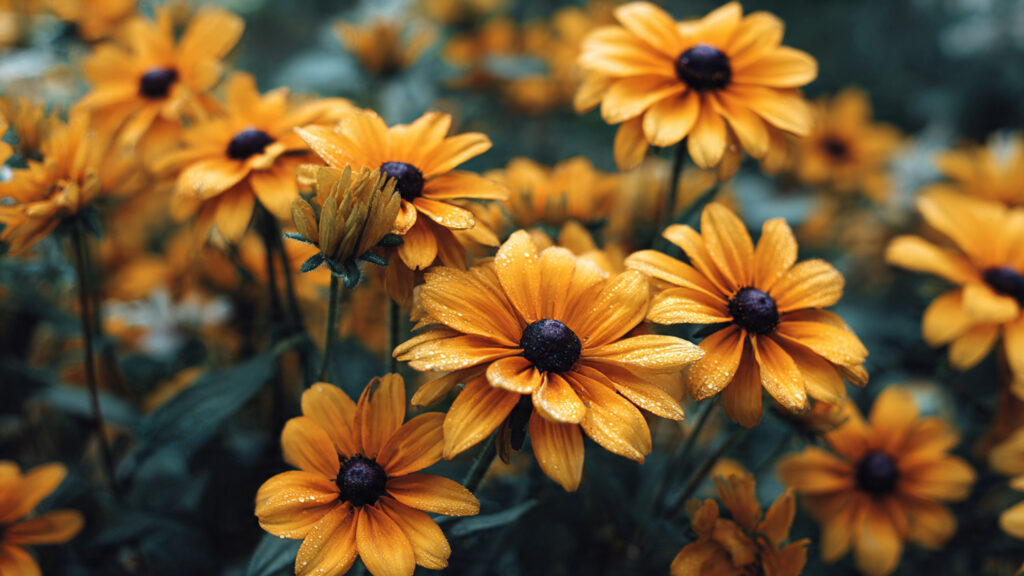
Summer is the season when gardens come alive with colors, textures, and the gentle hum of pollinators. Among the plethora of blooms available, few flowers are as striking and reliable as the Rudbeckia, commonly known as black-eyed Susans. Their golden-yellow petals and dark central cones make them a favorite for gardeners looking to add warmth, vibrancy, and resilience to their outdoor spaces. But is planting Rudbeckia the right choice for your garden? Let’s explore why these summer flowers deserve serious consideration and how you can make the most of them.
The Allure of Rudbeckia
Rudbeckia belongs to the Asteraceae family, the same family as sunflowers, daisies, and coneflowers. This lineage explains its cheerful, daisy-like appearance, which radiates positivity and warmth. The flowers typically bloom from mid-summer to early fall, providing a long-lasting display when many other plants are beginning to fade. Their bright yellow or orange petals and contrasting dark centers not only catch the eye but also attract pollinators like bees and butterflies, enriching the ecological value of your garden.
One of the most appealing traits of Rudbeckia is its versatility. They can thrive in a variety of garden settings—from formal beds and borders to wildflower meadows and cottage-style landscapes. Their vibrant colors complement almost any planting scheme, and their upright growth habit provides structure and height without overwhelming other plants.
Benefits of Growing Rudbeckia
1. Low Maintenance, High Impact
Rudbeckia is remarkably easy to grow, making it ideal for both beginner and experienced gardeners. These flowers are drought-tolerant once established, requiring only occasional watering during prolonged dry spells. They thrive in full sun and can adapt to a variety of soil types, although they prefer well-drained soil. This low-maintenance requirement allows gardeners to enjoy vibrant blooms with minimal effort.
2. Long Blooming Period
While many summer flowers are fleeting, Rudbeckia offers a prolonged bloom period. From late June through September, these flowers provide consistent color, creating a cheerful atmosphere that can brighten any garden space. Deadheading spent blooms can encourage even more flowers, extending the season further. This longevity makes Rudbeckia a cost-effective choice for gardeners who want sustained beauty without repeated planting.
3. Attracting Pollinators
In an age when pollinators are under threat, planting flowers that support bees, butterflies, and other beneficial insects is more important than ever. Rudbeckia does exactly that. The flowers produce nectar and pollen that pollinators rely on, and their bright coloration acts as a natural signal to attract these crucial garden helpers. By including Rudbeckia in your planting scheme, you’re not just enhancing aesthetics—you’re also supporting local biodiversity.
4. Resistance to Pests and Diseases
Compared to many ornamental plants, Rudbeckia shows excellent resistance to common pests and diseases. While occasional issues such as powdery mildew or aphid infestations can occur, these plants are generally robust. With proper spacing to ensure air circulation and occasional monitoring, Rudbeckia can thrive with minimal chemical intervention, making it a safer and more sustainable choice for eco-conscious gardeners.
Different Varieties to Consider
Rudbeckia comes in several varieties, each offering unique characteristics and benefits:
- Rudbeckia hirta (Black-eyed Susan): This is the most common variety, featuring bright yellow petals and a dark brown or black center. It’s ideal for borders, mass plantings, and wildflower gardens.
- Rudbeckia fulgida (Goldsturm): Known for its prolific blooms and compact growth, Goldsturm is perfect for containers, smaller gardens, and mixed perennial beds.
- Rudbeckia subtomentosa (Sweet Black-eyed Susan): Taller and more robust, this variety produces large, cheerful blooms and works well as a backdrop plant in garden beds.
- Rudbeckia laciniata (Green-headed Coneflower): Offering dramatic height and uniquely shaped flowers, this variety is excellent for naturalized areas or informal garden spaces.
Choosing the right variety depends on your garden’s size, style, and the visual impact you wish to create. For instance, compact varieties are perfect for small gardens or container planting, while taller varieties work well as statement pieces or for attracting pollinators over a larger area.
Planting Rudbeckia for Success
1. Choosing the Right Location
Rudbeckia thrives in full sun, meaning it should receive at least six to eight hours of direct sunlight each day. While it can tolerate partial shade, too much shade can result in leggy growth and fewer blooms. The ideal location is a well-drained bed or border with adequate airflow to prevent fungal issues.
2. Soil Preparation
While Rudbeckia is adaptable, it performs best in moderately fertile, well-draining soil. Incorporating organic matter such as compost can improve soil structure, water retention, and nutrient content. Avoid overly rich soil, which can lead to excessive foliage growth at the expense of flowers.
3. Planting Techniques
Rudbeckia can be started from seeds, seedlings, or divisions. For seeds, sow them directly in the garden after the last frost, lightly covering them with soil. Germination usually occurs within 7–14 days. Transplants should be spaced about 12–18 inches apart, depending on the variety, to allow adequate airflow and room for growth. Mulching around the base helps retain soil moisture and suppress weeds.
4. Watering and Fertilization
Once established, Rudbeckia is drought-tolerant. Water deeply but infrequently to encourage strong root development. Overwatering can lead to root rot or fungal diseases. Fertilization is generally unnecessary if the soil is healthy; however, a light application of balanced fertilizer in early spring can boost early growth and flowering.
5. Maintenance Tips
- Deadheading: Removing spent flowers encourages continuous blooming and prevents unwanted self-seeding.
- Dividing: Every 3–4 years, divide overcrowded clumps in spring or fall to maintain vigor.
- Monitoring: Keep an eye out for pests like aphids or caterpillars, and treat issues promptly with organic or chemical solutions as needed.
Designing with Rudbeckia
Rudbeckia is versatile in garden design. Its bold yellow hues pair beautifully with purple, blue, or pink flowers, creating striking color contrasts. Some popular companions include:
- Salvia: The deep blue or purple spikes complement Rudbeckia’s golden tones.
- Echinacea: Coneflowers share a similar shape and growth habit, creating a harmonious perennial border.
- Ornamental Grasses: The airy texture of grasses contrasts with Rudbeckia’s solid blooms, adding movement and softness.
- Coreopsis: Another cheerful yellow flower, it can be interplanted for a layered, textured look.
Rudbeckia also works well in informal, cottage-style gardens, where its naturalistic shape and long bloom period fit perfectly with the relaxed, layered planting style. For a more structured look, plant in neat rows or clusters along garden edges, pathways, or borders.
➡️ How to Grow Malabar Spinach from Cuttings for Fast, Easy Greens
➡️ How to Grow Super Delicious Cabbage at Home Without a Garden
➡️ How to Grow Bean Sprouts at Home in Plastic Bottles Easily (Step‑by‑Step Guide)
➡️ Why is Your Lemon Tree Blooming in the Heart of Winter?
➡️ Why Should Your Garden Have a Dedicated Pollinator Highway?
➡️ Why Do Your Fruit Trees Need a Winter Wash to Thrive in Spring?
➡️ How Can Rice Water Transform Your Fruits into Sweeter Delights?
➡️ Jumpstart Your Winter Garden: Seed Starting Under Lights
Environmental Benefits
Beyond aesthetics, Rudbeckia contributes positively to the environment. By attracting pollinators, it supports the reproduction of other plants in your garden, increasing overall biodiversity. The flowers also produce seeds that provide food for birds during fall and winter. Choosing native varieties of Rudbeckia enhances these benefits, as native species are well-adapted to local climates and ecological conditions.
Potential Challenges
While Rudbeckia is generally easy to grow, there are a few considerations:
- Powdery Mildew: This fungal disease can affect the leaves, particularly in humid climates. Ensure proper spacing and airflow, and consider resistant varieties.
- Self-Seeding: Rudbeckia can self-seed prolifically. If you want to control its spread, deadhead spent flowers regularly.
- Winter Care: In colder climates, cut back foliage in late fall and apply a layer of mulch to protect roots from harsh winter temperatures.
Conclusion
Rudbeckia is a standout choice for anyone looking to add vibrant color, resilience, and ecological value to their garden. Its cheerful blooms, long flowering period, and low-maintenance nature make it perfect for both beginner and experienced gardeners. By selecting the right variety, planting in ideal conditions, and incorporating basic care practices, you can enjoy a radiant display of summer flowers that attracts pollinators and delights the senses.
So, should you grow Rudbeckia summer flowers? Absolutely. Whether you’re aiming for a bright border, a wildflower meadow, or a pollinator-friendly haven, Rudbeckia delivers beauty, simplicity, and long-lasting appeal—making it a must-have for a vibrant, thriving garden.