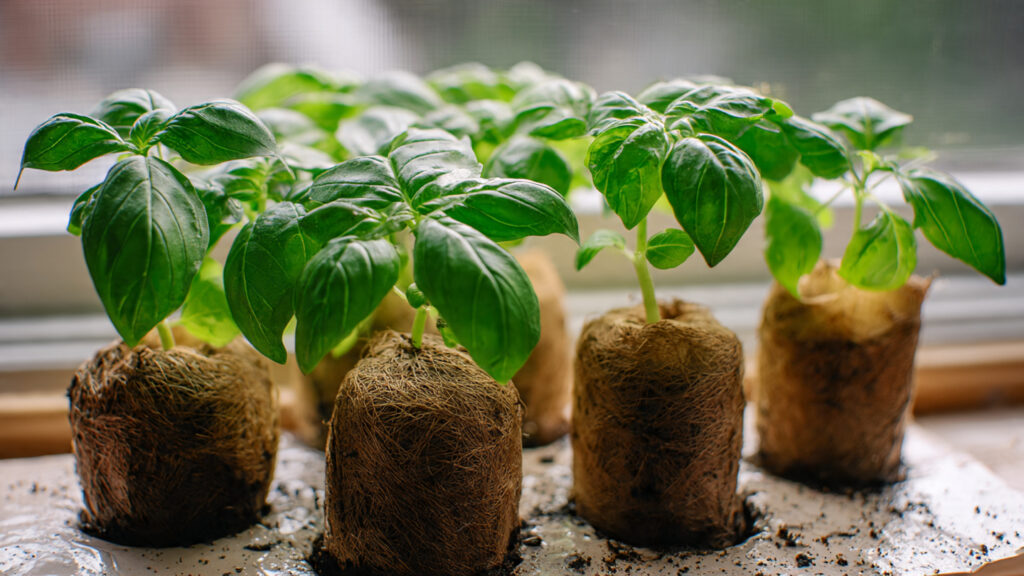
Basil (Ocimum basilicum) is one of the most versatile and aromatic herbs that can transform everyday meals into culinary delights. Fresh basil is a staple in Italian, Mediterranean, and Southeast Asian cuisine, making it a must-have in any home garden. While growing basil from seeds is common, propagating it from cuttings is an easy, cost-effective, and faster way to multiply your plants. Cuttings produce mature plants more quickly than seeds and allow gardeners to preserve favorite varieties.
This simple guide will walk you through the steps for successfully growing basil from cuttings at home, including selecting healthy parent plants, taking and rooting cuttings, planting, and ongoing care to maintain a lush and productive herb garden.
Why Grow Basil From Cuttings?
Growing basil from cuttings offers several advantages:
- Faster Growth: Cuttings skip the germination phase, producing mature plants more quickly than starting from seeds.
- Clonal Propagation: Cuttings produce genetically identical plants, ensuring your favorite flavors and traits are preserved.
- Cost-Effective: Expand your herb garden without purchasing additional seeds or plants.
- Continuous Harvest: Regularly taking cuttings encourages bushier growth on the parent plant and provides a constant supply of fresh basil.
Whether you want to maintain a kitchen windowsill herb garden or create a larger outdoor plot, cuttings are an efficient way to expand your basil collection.
Selecting Healthy Parent Plants
The first step in propagating basil is choosing a healthy plant to take cuttings from. Healthy parent plants produce strong cuttings with a higher chance of successful rooting.
What to Look For:
- Vigorous Growth: Select a plant with lush, green leaves and sturdy stems. Avoid plants showing yellowing leaves, disease, or pest infestations.
- No Flowering: Flowering stems are less likely to root successfully. Pinch off any flower buds to focus energy on leaf and stem growth.
- Young Stems: Soft, new growth is ideal for cuttings because it roots more easily than older, woody stems.
A healthy parent plant ensures your cuttings have the best start for robust growth.
Taking Basil Cuttings
Once you have identified a suitable parent plant, it’s time to take cuttings.
Step-by-Step Guide:
- Choose a Stem: Select a healthy stem that is 4–6 inches long with at least 2–4 sets of leaves.
- Make the Cut: Using clean, sharp scissors or pruning shears, cut the stem just below a leaf node (where the leaves attach to the stem). This node is where roots will develop.
- Remove Lower Leaves: Strip off the leaves from the bottom 2 inches of the stem to prevent them from rotting when placed in water or soil.
- Optional Tip: Pinch off any flower buds or developing flowers on the cutting to encourage leaf growth rather than flowering.
Proper cutting techniques ensure that your basil cuttings have the best chance of rooting successfully.
Rooting Basil Cuttings
Basil cuttings can root either in water or directly in soil. Both methods are effective, but water propagation is often preferred for beginners because you can watch the roots develop.
Method 1: Rooting in Water
- Place the Cutting: Put the prepared stem into a small glass or jar filled with fresh, room-temperature water. Ensure the leafless portion of the stem is submerged while keeping the leaves above water.
- Provide Indirect Light: Place the container in a bright location, avoiding direct sunlight that can stress the cutting.
- Change Water Regularly: Replace the water every 2–3 days to prevent bacterial growth.
- Watch for Roots: Roots should start to develop within 1–2 weeks. They typically grow 1–2 inches long before the cutting is ready for planting.
Method 2: Rooting Directly in Soil
- Prepare the Pot: Fill a small pot with well-draining potting mix or a mixture of compost and perlite.
- Plant the Cutting: Insert the stripped portion of the stem 1–2 inches into the soil. Firm gently to ensure good contact.
- Water Lightly: Moisten the soil to keep it consistently damp but not waterlogged.
- Maintain Humidity: Cover the pot with a plastic bag or a small clear dome to create a humid microclimate, encouraging root growth.
- Monitor Growth: Roots should develop within 2–3 weeks. Tug gently to check resistance, which indicates root formation.
Both methods are reliable, and you can even start cuttings in water and transfer them to soil once roots have formed.
Transplanting Rooted Cuttings
Once your basil cuttings have developed strong roots, it’s time to plant them in a permanent location.
Steps for Successful Transplanting:
- Choose the Right Location: Basil prefers full sun (6–8 hours daily) and well-draining soil. If growing indoors, place the pot near a south- or west-facing window.
- Prepare the Soil: Enrich garden beds or pots with compost or organic matter. Basil thrives in soil that retains moisture but drains well.
- Plant Carefully: Dig a hole slightly larger than the root system and gently place the cutting. Cover roots with soil and press lightly to remove air pockets.
- Water Thoroughly: Water immediately after planting to help settle the soil and reduce transplant shock.
- Spacing: For garden beds, space plants 12–18 inches apart to allow airflow and prevent disease.
Proper transplanting ensures healthy establishment and vigorous growth.
Ongoing Care for Basil Plants
After transplanting, maintaining healthy growth requires attention to sunlight, water, and nutrients.
Watering:
- Keep soil consistently moist but avoid overwatering.
- Water at the base to reduce the risk of fungal diseases.
- Mulch around outdoor plants to conserve moisture and regulate soil temperature.
Fertilization:
- Apply a balanced, water-soluble fertilizer every 3–4 weeks during active growth.
- Avoid over-fertilizing, which can reduce essential oils in the leaves and affect flavor.
Pruning and Harvesting:
- Pinch the top leaves regularly to encourage bushy growth.
- Harvest leaves from the top rather than the lower stems for continuous production.
- Remove flower buds promptly to prevent bolting and ensure leaf flavor remains strong.
Proper care encourages rapid growth, large leaves, and flavorful harvests.
Troubleshooting Common Issues
Even with proper care, some challenges may arise when growing basil from cuttings.
➡️ How to Grow Malabar Spinach from Cuttings for Fast, Easy Greens
➡️ How to Grow Super Delicious Cabbage at Home Without a Garden
➡️ How to Grow Bean Sprouts at Home in Plastic Bottles Easily (Step‑by‑Step Guide)
➡️ Why is Your Lemon Tree Blooming in the Heart of Winter?
➡️ Why Should Your Garden Have a Dedicated Pollinator Highway?
➡️ Why Do Your Fruit Trees Need a Winter Wash to Thrive in Spring?
➡️ How Can Rice Water Transform Your Fruits into Sweeter Delights?
➡️ Jumpstart Your Winter Garden: Seed Starting Under Lights
Leaf Yellowing:
- Often caused by overwatering or nutrient deficiency. Adjust watering and feed with balanced fertilizer.
Wilting:
- May occur due to heat stress, underwatering, or transplant shock. Provide shade or increase watering.
Pests:
- Aphids, spider mites, and whiteflies can affect basil. Inspect regularly and use insecticidal soap if necessary.
Slow Root Development:
- Ensure cuttings are taken from healthy stems, placed in adequate light, and kept in a humid environment.
Proactive observation and care prevent minor issues from becoming major problems.
Tips for Year-Round Basil Production
Basil thrives year-round in many climates with proper care. Consider these strategies for continuous harvests:
- Succession Planting: Take new cuttings every few weeks to maintain a continuous supply of mature plants.
- Indoor Cultivation: Grow basil in pots indoors during colder months, providing bright light and consistent watering.
- Rotate Locations: Move outdoor containers to avoid heat stress or harsh afternoon sun.
- Pruning Schedule: Regular pinching encourages branching and prevents legginess.
By integrating these methods, you can enjoy fresh basil every day of the year.
Benefits of Growing Basil From Cuttings
- Economical: Multiply plants without buying seeds.
- Fast Results: Mature plants in a fraction of the time compared to seeds.
- Flavor Preservation: Retain the specific aroma and taste of preferred varieties.
- Sustainable: Reduce waste and create a renewable herb supply.
- Engaging DIY Project: Fun, hands-on gardening activity for all ages.
Growing basil from cuttings is rewarding, practical, and a gateway to a thriving home herb garden.
Final Thoughts
Propagating basil from cuttings is an easy, effective, and rewarding method to expand your herb garden. By selecting healthy parent plants, taking proper cuttings, rooting them carefully, and providing ongoing care, gardeners can achieve robust, flavorful basil plants in a fraction of the time it takes from seeds.
Key takeaways for successful basil propagation:
- Choose healthy, non-flowering stems for cuttings.
- Root cuttings in water or soil under bright, indirect light.
- Transplant rooted cuttings into nutrient-rich, well-draining soil.
- Maintain consistent watering, sunlight, and pruning practices.
- Monitor for pests and adjust environmental conditions to prevent stress.
With these strategies, your basil garden will thrive, providing fresh leaves for culinary delights, teas, and even decorative purposes, making your home a haven for aromatic, vibrant herbs.