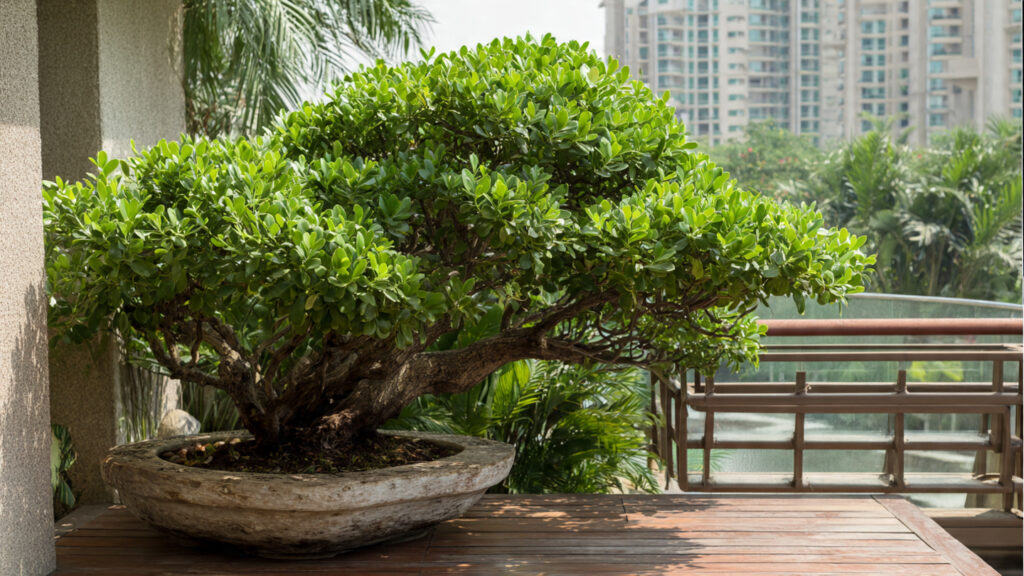
Jade trees (Crassula ovata), also known as money trees or lucky plants, are among the most popular succulents for both indoor and outdoor landscaping. With their thick, glossy, jade-colored leaves and sturdy branches, jade trees bring a touch of elegance and vibrancy to any garden, patio, or indoor space. Beyond their aesthetic appeal, jade trees are low-maintenance, drought-tolerant, and can live for decades when cared for properly. For gardeners and landscape enthusiasts seeking a simple yet dramatic way to enhance their outdoor or indoor spaces, growing jade trees is an excellent choice. This guide provides a comprehensive, step-by-step approach to cultivating jade trees, transforming your landscape with minimal effort.
Why Jade Trees Are Ideal for Landscaping
Jade trees are prized in landscaping for several reasons:
- Visual Appeal: Their thick, shiny leaves and sculptural branches create a striking focal point in gardens or containers.
- Low Maintenance: Jade trees are drought-tolerant and resilient, thriving with minimal care.
- Adaptable Growth: Suitable for both indoor and outdoor environments, depending on climate.
- Longevity: Jade trees can live for decades, gradually developing a tree-like appearance with age.
- Symbolism: Often associated with good fortune, prosperity, and positive energy, making them popular in Feng Shui practices.
With the right techniques, jade trees can transform a landscape, whether planted in beds, containers, or as accent trees in outdoor gardens.
Step 1: Selecting the Right Jade Tree
Choosing a healthy jade tree is the first step to a successful landscape transformation:
- Healthy Leaves: Look for vibrant green, plump leaves without yellowing, spots, or signs of pests.
- Sturdy Stem: Choose plants with strong stems and well-developed branches.
- Mature vs. Young Plants: Younger plants are easier to shape and train, while mature trees provide instant structure.
- Varieties: Some popular landscape varieties include ‘Gollum’ with tubular leaves, and ‘Hobbit’ with curled foliage, offering unique visual interest.
Investing in a healthy plant ensures a strong start and reduces potential setbacks in growth.
Step 2: Choosing the Ideal Location
Jade trees thrive in sunny, well-draining locations:
- Sunlight: Full sun to partial shade is optimal. Outdoor planting requires at least 4–6 hours of sunlight daily for healthy growth.
- Protection from Frost: Jade trees are sensitive to frost and should be planted in sheltered locations in colder climates or moved indoors during winter.
- Wind Protection: Avoid windy sites that may damage branches or cause leaf loss.
Correct placement ensures vigorous growth and minimizes stress, allowing your jade tree to develop a robust, tree-like form.
Step 3: Preparing the Soil
Jade trees require well-draining soil to prevent root rot:
- Soil Composition: Mix equal parts potting soil, sand, and perlite for optimal drainage.
- Raised Beds or Mounds: If planting in a garden bed, consider slightly elevated mounds to prevent waterlogging.
- Soil pH: A neutral to slightly acidic soil (pH 6.0–7.0) promotes healthy root development.
Healthy soil ensures long-term resilience and supports the thick, glossy foliage that makes jade trees visually striking.
Step 4: Planting Techniques
Whether planting in a garden or a container, proper techniques ensure a solid foundation:
- Hole Preparation: Dig a hole twice the width of the root ball and equal in depth.
- Root Care: Gently loosen the roots before planting to encourage outward growth.
- Planting Depth: Position the plant so the base of the stem is level with the surrounding soil.
- Watering: Water lightly after planting to settle the soil, but avoid overwatering.
Proper planting establishes a strong root system that supports healthy, long-term growth.
Step 5: Watering and Moisture Management
Jade trees are drought-tolerant but require proper watering practices:
- Frequency: Water deeply but infrequently. Allow the top 1–2 inches of soil to dry before watering again.
- Method: Water at the base to avoid wetting leaves, which can lead to fungal issues.
- Container Plants: Ensure pots have drainage holes to prevent stagnant water at the roots.
Correct watering promotes robust growth while maintaining the succulent, plump leaves characteristic of healthy jade trees.
Step 6: Fertilization for Vibrant Growth
Fertilization enhances leaf development and overall plant vitality:
- Balanced Fertilizer: Use a succulent fertilizer with balanced NPK values every 6–8 weeks during the growing season.
- Organic Options: Compost or worm castings provide natural nutrients and improve soil structure.
- Avoid Over-Fertilization: Excess nutrients encourage weak, leggy growth rather than strong branches.
Regular feeding ensures lush foliage and contributes to the overall visual impact of the tree in your landscape.
➡️ How to Grow Malabar Spinach from Cuttings for Fast, Easy Greens
➡️ How to Grow Super Delicious Cabbage at Home Without a Garden
➡️ How to Grow Bean Sprouts at Home in Plastic Bottles Easily (Step‑by‑Step Guide)
➡️ Why is Your Lemon Tree Blooming in the Heart of Winter?
➡️ Why Should Your Garden Have a Dedicated Pollinator Highway?
➡️ Why Do Your Fruit Trees Need a Winter Wash to Thrive in Spring?
➡️ How Can Rice Water Transform Your Fruits into Sweeter Delights?
➡️ Jumpstart Your Winter Garden: Seed Starting Under Lights
Step 7: Pruning and Shaping
Pruning is essential to create a stunning, structured jade tree for your landscape:
- Early Training: Prune young plants to encourage a strong central trunk and branching framework.
- Remove Dead or Weak Branches: Enhances airflow, reduces disease risk, and strengthens remaining branches.
- Shape for Aesthetics: Trim selectively to maintain a balanced canopy and highlight natural form.
- Encourage Bushiness: Pinching tips of young branches promotes fuller growth and denser foliage.
Pruning allows the jade tree to develop a visually appealing shape, creating a dramatic focal point in any garden.
Step 8: Repotting and Container Growth
Jade trees thrive in containers, making them versatile for patios and small spaces:
- Pot Selection: Use a container at least 12–18 inches in diameter with good drainage.
- Soil Mix: Lightweight, well-draining succulent soil supports healthy growth.
- Repotting Frequency: Every 2–3 years or when the root ball becomes crowded.
- Pruning Roots: Trim slightly during repotting to encourage new growth.
Container growth offers flexibility in placement, seasonal protection, and dramatic impact in landscaped areas.
Step 9: Pest and Disease Management
Though hardy, jade trees can occasionally face pest or disease issues:
- Common Pests: Mealybugs, spider mites, and scale insects.
- Detection: Check leaves and stems regularly for discoloration, sticky residue, or tiny insects.
- Treatment: Use insecticidal soap, neem oil, or remove pests manually.
- Disease Prevention: Avoid overwatering and provide adequate airflow to prevent fungal infections.
Proactive monitoring maintains tree health, ensuring it remains a centerpiece in your landscape.
Step 10: Seasonal Care
Jade trees respond well to seasonal adjustments:
- Spring and Summer: Promote active growth with regular watering, fertilization, and sun exposure.
- Fall: Gradually reduce watering as growth slows and prepare outdoor plants for cooler temperatures.
- Winter: Protect from frost by moving container plants indoors or covering garden plants. Minimal watering is required during dormancy.
Seasonal care helps maintain foliage health, supports long-term growth, and prevents damage from environmental stress.
Step 11: Creating a Stunning Landscape Feature
Jade trees can transform a garden or landscape when used strategically:
- Focal Points: Plant a single mature jade tree as a centerpiece.
- Borders and Accents: Use smaller trees along pathways or garden edges for structure and visual appeal.
- Mixed Plantings: Combine jade trees with other succulents, rocks, or ornamental grasses for a modern, textured landscape.
- Containers and Patio Displays: Use dramatic pots to highlight the tree’s form on terraces, balconies, or patios.
Strategic placement enhances the natural beauty of the jade tree and elevates the overall aesthetic of your outdoor space.
Step 12: Encouraging Longevity and Growth
With proper care, jade trees can live for decades, growing into stunning, tree-like specimens:
- Patience: Mature jade trees take years to develop large, sculptural forms.
- Ongoing Pruning: Maintain desired shape and encourage dense, vibrant foliage.
- Consistent Care: Watering, fertilization, and pest management ensure long-term health.
- Propagation: Jade trees can be propagated from cuttings to create additional plants for landscaping continuity.
Long-term commitment allows your jade tree to grow into a beautiful, enduring feature that enhances your garden year after year.
Conclusion
Jade trees are versatile, resilient, and visually stunning, making them an ideal choice for transforming landscapes with minimal effort. By selecting healthy plants, providing the right light, soil, and water conditions, and using strategic pruning and seasonal care, even beginner gardeners can cultivate jade trees that become dramatic focal points in their gardens.
From container displays to garden centerpieces, jade trees offer both beauty and practicality, thriving in diverse environments with proper care. Their longevity, low maintenance, and symbolic value make them a worthwhile addition to any landscape.
By following this simple guide, you can grow jade trees that not only survive but thrive, creating a visually striking and serene garden space that will impress visitors and provide satisfaction for years to come.
Whether you are a beginner gardener or an experienced landscaper, jade trees provide a simple yet transformative way to enhance your outdoor or indoor environment, offering elegance, resilience, and timeless beauty.