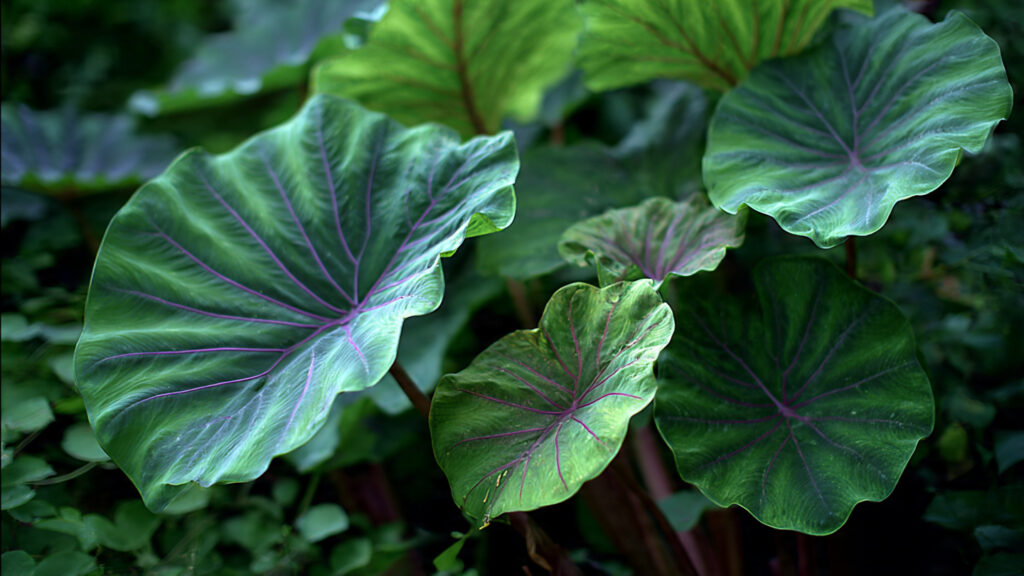
Colocasia (Colocasia esculenta), commonly known as elephant ear, is a stunning tropical plant prized for its large, heart-shaped leaves and dramatic presence in gardens. With its lush foliage and bold texture, colocasia adds a touch of the exotic to moist garden areas, pondsides, or shaded borders. While many gardeners admire its beauty, some are hesitant to grow it due to perceived challenges. In reality, with the right guidance, colocasia is easy to cultivate and can thrive in areas with consistently moist soil, providing a spectacular display of foliage throughout the growing season.
This guide will walk you through everything you need to know to successfully grow colocasia in your garden—from selecting varieties and preparing soil to planting, watering, fertilizing, and maintaining your tropical masterpiece.
Understanding Colocasia
Colocasia is a tropical perennial known for its bold foliage rather than flowers. Some key characteristics include:
- Leaf size and shape: Large, arrow- or heart-shaped leaves can reach up to 3 feet in length.
- Growth habit: Tubers or corms produce upright stems and broad leaves, creating a dramatic visual effect.
- Moisture preference: Thrives in consistently damp soil, making it ideal for moist garden areas, pond edges, or rain gardens.
- Temperature sensitivity: Prefers warm conditions (65–85°F / 18–29°C) and may die back in frost-prone regions, returning in spring after overwintering tubers indoors.
Knowing these traits helps you position and care for colocasia in a way that maximizes its visual appeal and health.
Choosing the Right Colocasia Variety
There are dozens of colocasia varieties, each with unique leaf shapes, colors, and sizes:
- ‘Black Magic’: Deep purple-black leaves, striking and bold.
- ‘Mojito’: Lighter green leaves with dramatic veining for a tropical effect.
- ‘Illustris’: Variegated green leaves with silvery veins for added texture.
- ‘Thailand Giant’: Large, lush green leaves for a true statement plant.
- ‘Coffee Cups’: Smaller, compact leaves suitable for container planting in moist areas.
Beginners may prefer hardy, easy-to-grow varieties like ‘Black Magic’ or ‘Thailand Giant’ for instant impact and minimal care.
Step 1: Selecting the Ideal Planting Location
Colocasia thrives when its environmental needs are met:
- Moist soil: Plant in low-lying areas, near ponds, streams, or rain gardens where water retention is high.
- Sunlight: Prefers partial shade to full sun. In hot climates, partial shade prevents leaf scorching.
- Sheltered spots: Protect from strong winds, which can tear the large leaves.
- Spacing: Leave at least 2–3 feet between plants to allow for full leaf expansion.
Choosing the right location ensures that colocasia can grow vigorously and display its magnificent foliage.
Step 2: Preparing the Soil
Soil preparation is critical for tuber health and leaf growth:
- Rich, fertile soil: Amend soil with compost, well-rotted manure, or organic matter.
- Moisture retention: Incorporate peat moss or coconut coir to retain water without creating stagnant conditions.
- Drainage: While colocasia likes moist soil, stagnant water can lead to tuber rot. Slightly elevated planting beds or gentle slopes improve drainage.
- Soil pH: A slightly acidic to neutral soil (pH 6.0–7.0) works best.
Proper soil ensures the plant receives nutrients, retains moisture, and avoids common root problems.
Step 3: Planting Colocasia
Colocasia is typically grown from corms (underground tubers):
- Planting depth: Place corms 2–4 inches deep, with the growing point facing upward.
- Spacing: Leave 2–3 feet between each plant to accommodate large leaves.
- Watering after planting: Water thoroughly to settle soil around the corm.
- Container planting: Colocasia can also be grown in large containers with moist soil, ideal for patios or small gardens.
Planting correctly from the start reduces transplant shock and promotes healthy, vigorous growth.
Step 4: Watering Colocasia
Colocasia thrives on consistent moisture:
- Daily or regular watering: Keep soil consistently damp but not waterlogged.
- Pondside planting: If planted near a water feature, soil will naturally retain moisture.
- Container watering: Monitor soil closely, as containers dry out faster than garden beds.
- Mulching: Apply a thick layer of organic mulch around the base to retain moisture and regulate soil temperature.
Consistent watering ensures bold, lush foliage throughout the growing season.
Step 5: Fertilizing for Lush Foliage
Colocasia benefits from regular fertilization to produce large, vibrant leaves:
➡️ How to Grow Malabar Spinach from Cuttings for Fast, Easy Greens
➡️ How to Grow Super Delicious Cabbage at Home Without a Garden
➡️ How to Grow Bean Sprouts at Home in Plastic Bottles Easily (Step‑by‑Step Guide)
➡️ Why is Your Lemon Tree Blooming in the Heart of Winter?
➡️ Why Should Your Garden Have a Dedicated Pollinator Highway?
➡️ Why Do Your Fruit Trees Need a Winter Wash to Thrive in Spring?
➡️ How Can Rice Water Transform Your Fruits into Sweeter Delights?
➡️ Jumpstart Your Winter Garden: Seed Starting Under Lights
- Balanced fertilizer: Use a fertilizer high in nitrogen to encourage leaf growth. A 10-10-10 NPK formula works well.
- Frequency: Fertilize every 2–3 weeks during the growing season.
- Organic options: Fish emulsion or compost tea supports growth without chemical buildup.
- Avoid over-fertilization: Excess fertilizer can burn roots and damage leaves.
Feeding colocasia regularly ensures bold, healthy foliage that commands attention in any garden.
Step 6: Mulching and Moisture Retention
Mulch is particularly useful for colocasia in moist gardens:
- Organic mulch: Straw, bark, or leaf litter prevents water evaporation and regulates soil temperature.
- Thickness: Apply 2–3 inches of mulch around the base of the plant, avoiding the crown to prevent rot.
- Winter protection: In colder climates, mulch insulates tubers during dormancy.
Mulching maintains consistent moisture levels and promotes long-lasting, vigorous growth.
Step 7: Controlling Pests and Diseases
Colocasia is relatively hardy but can encounter common garden pests:
- Aphids and spider mites: Spray with mild insecticidal soap or neem oil to protect foliage.
- Slugs and snails: Feed on young leaves; use traps or barriers if needed.
- Fungal issues: Leaf spots and root rot can occur in overly wet soil. Maintain airflow, proper spacing, and avoid standing water.
- Regular inspection: Check plants weekly to catch problems early.
Early detection and proper management prevent minor issues from compromising your dramatic foliage display.
Step 8: Pruning and Maintenance
While colocasia requires minimal pruning, some maintenance ensures optimal appearance:
- Remove damaged leaves: Cut torn or yellowing leaves at the base.
- Trim flowering stems: Most colocasia varieties are grown for foliage rather than flowers, so removing flower stalks can redirect energy to leaf growth.
- Divide corms: Every 2–3 years, divide tubers in early spring to propagate and maintain plant vigor.
Pruning helps maintain a neat, lush garden display and promotes continued growth.
Step 9: Winter Care
Colocasia is sensitive to frost and cold temperatures:
- Cold climates: Dig up corms before the first frost and store them indoors in a cool, dark place.
- Mild climates: Mulch heavily to insulate the base and prevent frost damage.
- Replanting: Plant corms back into the garden or containers in spring after danger of frost has passed.
Proper winter care ensures your colocasia returns each year with lush foliage.
Step 10: Using Colocasia in Garden Design
Colocasia can transform garden spaces when positioned strategically:
- Moist borders: Ideal along pond edges, streams, or rain gardens.
- Container displays: Large pots or tubs create tropical focal points on patios or terraces.
- Mixed plantings: Pair with other moisture-loving plants like cannas, ferns, or hostas for layered texture.
- Height variation: Use taller varieties in the back of beds and smaller ones in the front for depth and dimension.
Creative placement maximizes the visual impact of colocasia’s dramatic foliage.
Benefits of Growing Colocasia
Growing colocasia in moist garden areas offers several advantages:
- Striking foliage: Large, bold leaves provide instant visual impact.
- Low-maintenance once established: Requires little care beyond watering, feeding, and occasional pruning.
- Moisture-loving: Perfect for rain gardens, pond edges, or areas with high soil moisture.
- Versatile design options: Can be used in beds, borders, or containers.
- Propagation potential: Easily divided to produce more plants for free.
Its combination of tropical appeal and adaptability makes colocasia a favorite for gardeners seeking drama and ease of growth.
Final Thoughts
Colocasia is a versatile, tropical plant that thrives in moist garden areas, providing bold foliage and a lush, dramatic presence. By selecting the right variety, preparing soil appropriately, planting correctly, and maintaining consistent moisture and nutrients, even beginner gardeners can successfully cultivate colocasia.
With proper pest control, pruning, and seasonal care, colocasia will reward your garden with large, vibrant leaves year after year. Whether planted along pond edges, in rain gardens, or in containers, colocasia elevates garden aesthetics with minimal effort, turning ordinary garden spaces into tropical escapes.
By following this simple guide, you can grow colocasia successfully and enjoy one of the most visually striking foliage plants available, making your garden a true paradise of texture, color, and lush greenery.